Efficient Sludge Removal Solution for Modern Livestock Farms
Livestock farms generate large amounts of wastewater containing manure, feed residues, organic materials, and sediment. During daily operation, these solids gradually settle at the bottom of wastewater ponds, manure lagoons, and storage tanks, forming thick sludge layers.
Over time, accumulated sludge can cause serious problems:
- Reduced storage capacity of wastewater ponds
- Strong odors caused by organic decomposition
- Increased pressure on wastewater treatment systems
- Difficult sludge pumping and transportation
- Higher cleaning costs and safety risks
Traditional cleaning methods often cannot handle thick, sticky, and high-concentration farm sludge efficiently.
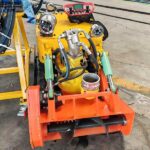
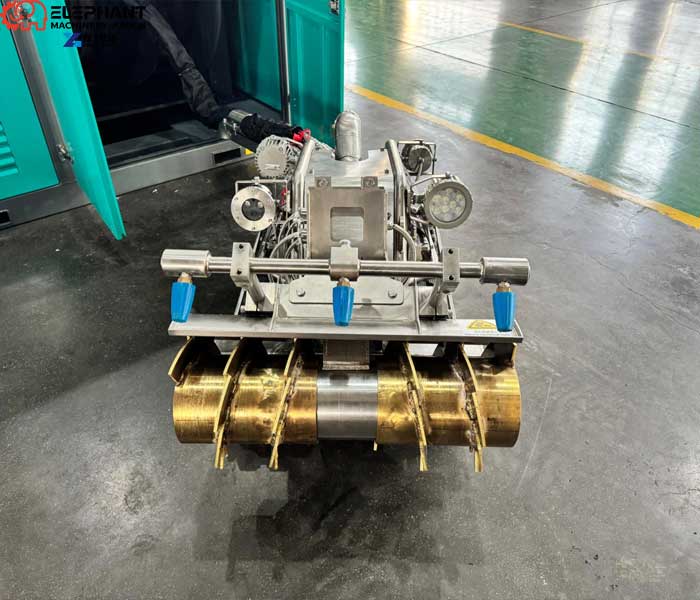
The farm sludge cleaning robot provides an advanced solution for removing accumulated sludge from livestock wastewater ponds, manure lagoons, and agricultural waste storage tanks through remote operation, powerful hydraulic pumping, and efficient sludge transportation.
Farm Sludge Cleaning Robot Parameters
| Parameter | YG450 | YG500 | YG600 | YG700 | YG800 | YG900 | YG1200 |
| Robot Dimensions (mm) | ≤1700 × 450 × 450 | 1500 × 500 × 650 | 1500 × 600 × 650 | 1600 × 700 × 650 | 1600 × 850 × 700 | 1650 × 960 × 750 | 1900 × 1200 × 750 |
| Applicable Manhole / Access | ≥600 mm opening | ≥600 mm opening | ≥600 mm opening | ≥700 mm opening | ≥800 mm opening | ≥900 mm opening | Large culvert / open access |
| Dredging Width (mm) | 450 | 500 | 600 | 700 | 800 | 900 | Suitable for large culverts |
| Travel Speed (m/s) | 3–12 | 3–15 | 3–15 | 3–15 | 3–15 | 3–15 | 0–17 m/min |
| Pump Diameter (inch) | 3 | 3 | 3 | 4 | 4 | 4 | 4 or 6 |
| Pump Flow (m³/h) | 50 | 100 | 100 | 160 | 160 | 200 | 250 |
| Pump Head (m) | 0-30 | 0–30 | 0–30 | 0–25 | 0–25 | 0–25 | 0–30 (Horizontal: 100–150 m) |
| Hydraulic Station Dimensions (mm) | 2000 × 1100 × 1500 (recommended) | 2200 × 1200 × 1700 | 2200 × 1200 × 1700 | 2200 × 1200 × 1700 | 2200 × 1200 × 1700 | 2200 × 1200 × 1700 | 2120 × 1240 × 1200 |
| Main Motor Power (kW) | 11–15 kW | 18 | 18 | 22 | 22 | 22 | 45 kW (50 kW) / Diesel 76 kW (123 kW) |
| Hydraulic System Pressure (MPa) | 0–16 | 0–16 | 0–16 | 0–16 | 0–16 | 0–16 | Custom / high-pressure system |
| Particle Size Capacity (mm) | ≤10–20 mm (soft sludge) | 15 | 15 | 40 | 40 | 50 | 0–40 (customizable) |
| Winch Speed (r/min) | 0–10 | 0–10 | 0–10 | 0–10 | 0–10 | 0–10 | 0–10 |
| Pipe Length (m) | 20–30 optional | 30–50 optional | 30–50 optional | 30–50 optional | 30–50 optional | 30–50 optional | 30 m/pack, high-pressure resistant |
| Control System | Wireless Remote Control | Wireless Remote | Wireless Remote | Wireless Remote | Wireless Remote | Wireless Remote | Wireless Remote |
| Lighting System | Underwater LED ×2 | Underwater LED ×2 | Underwater LED ×2 | Underwater LED ×2 | Underwater LED ×2 | Underwater LED ×2 | Underwater LED ×2 |
Why Do Livestock Farms Need Sludge Cleaning Solutions?
Long-Term Sludge Accumulation Reduces Farm Efficiency
In pig farms, poultry farms, cattle farms, and other livestock facilities, wastewater continuously carries organic waste into storage ponds.
Over months or years, sediment gradually builds up and forms a thick sludge layer containing:
- Animal manure
- Organic sediment
- Feed residues
- Solid waste particles
- Microbial residues
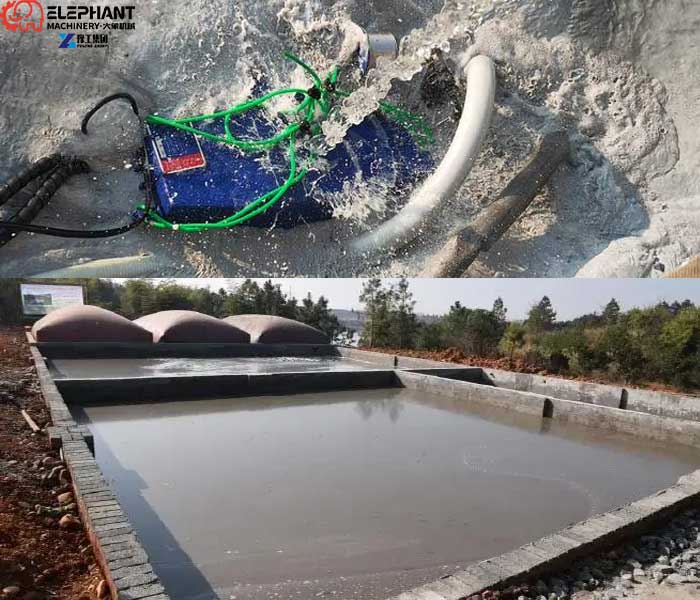
Unlike normal wastewater, livestock sludge has several difficult characteristics:
- High viscosity: Farm sludge is thick and sticky, making it difficult for ordinary pumps to handle.
- High solid content: The mixture often contains manure particles and sediment that can cause pipeline blockage.
- Strong odor: Anaerobic decomposition of organic materials can produce unpleasant smells and harmful gases.
- Difficult cleaning conditions: Many manure lagoons and wastewater ponds have deep sludge layers that are difficult to access manually.
Therefore, efficient livestock wastewater sludge removal has become an important requirement for modern farms.
Challenges of Traditional Manure Lagoon Cleaning Methods
1. Manual Cleaning Creates Safety Risks
Traditional sludge removal may require workers to enter wastewater ponds or storage tanks.
However, manure lagoons may contain:
- Hydrogen sulfide
- Methane
- Low oxygen environments
- Harmful microorganisms
Direct human entry increases safety risks and requires additional protective measures.
2. Ordinary Pumps Cannot Handle Thick Sludge
Many farms use standard pumps or vacuum equipment for waste removal.
However, high-density manure sludge can easily cause:
- Pump clogging
- Reduced suction performance
- Frequent maintenance
- Incomplete cleaning results
For years of accumulated sludge, stronger pumping capability is required.
3. Pond Drainage Interrupts Farm Operations
Some traditional methods require draining wastewater ponds before cleaning.
This may lead to:
- Production interruption
- Additional labor requirements
- Increased transportation costs
- Longer cleaning periods
A more efficient solution should remove sludge without completely shutting down farm operations.
How Does a Farm Sludge Cleaning Robot Work?
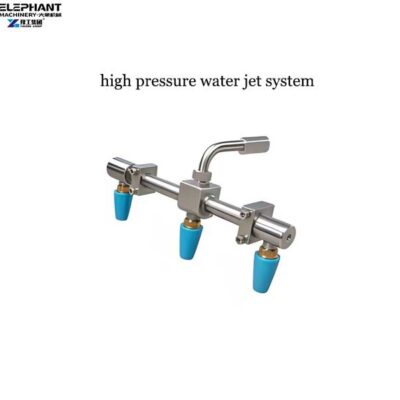
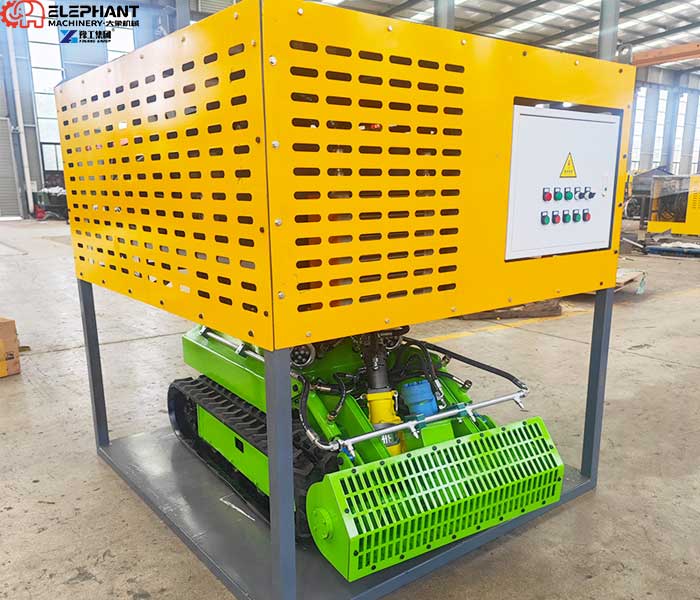
The sludge cleaning robot is designed to remove difficult sediment from livestock wastewater environments through an integrated cleaning and pumping system.
The working process includes:
Sludge Breaking → Mixing → Suction → Hydraulic Pumping → Remote Transportation
Step 1: Sludge Breaking and Mixing
The robot enters the wastewater pond and loosens hardened sludge deposits through its cleaning mechanism.
This process helps transform compacted sludge into a pumpable mixture.
Step 2: Sludge Suction
The mixed sludge is collected through the suction system.
Step 3: Hydraulic Transportation
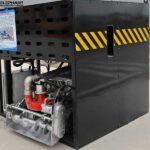
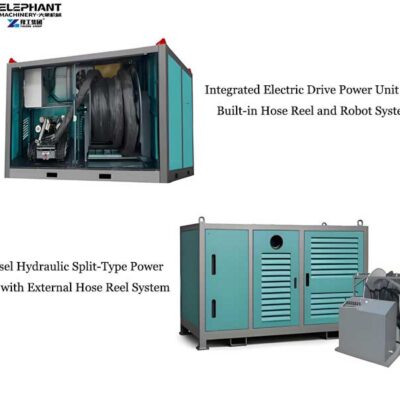
A powerful hydraulic sludge pump transfers the sludge through pipelines to:
- Storage tanks
- Solid-liquid separation systems
- Waste treatment facilities
- Agricultural utilization areas
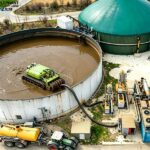
This allows efficient cleaning without requiring workers to enter the pond.
Key Advantages of Farm Sludge Cleaning Robot
1. Powerful Hydraulic Pump for High-Viscosity Sludge
The biggest challenge in manure lagoon cleaning is transporting thick and sticky sludge.
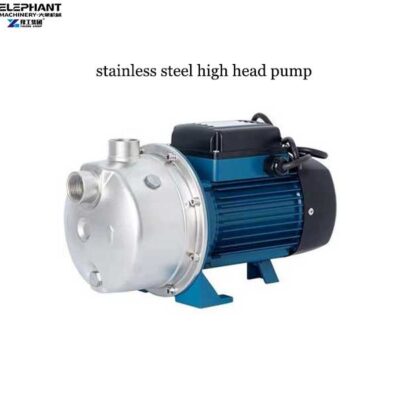
The robot is equipped with a high-performance hydraulic pumping system designed for demanding sludge conditions.
Main advantages:
- Strong pumping force
- High solid-handling capability
- Anti-clogging performance
- Continuous sludge transportation
- Long-distance discharge capability
Compared with conventional pumps, the hydraulic system provides better performance when handling manure sludge, sediment mixtures, and high-density wastewater.
2. Remote-Control Operation for Safe Sludge Removal
Safety is a major concern in livestock wastewater cleaning.
The remote-controlled design allows operators to control the robot without entering dangerous environments.
Benefits include:
- No worker entry into manure lagoons
- Reduced exposure to harmful gases
- Lower labor intensity
- Safer cleaning operations
This makes the equipment suitable for large-scale livestock farms and industrial agricultural facilities.
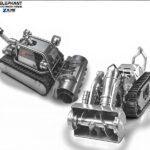
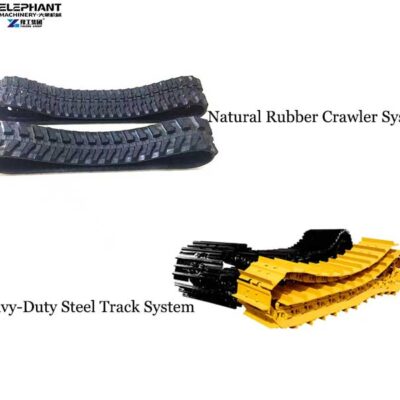
3. Crawler Mobility for Muddy Wastewater Ponds
Livestock wastewater ponds usually have soft, uneven, and muddy bottoms.
The crawler-type chassis provides:
- Strong traction
- Stable movement
- Low ground pressure
- Better operation in deep sludge
The robot can travel across difficult pond conditions and reach areas that are difficult to clean with traditional equipment.
4. Efficient Cleaning Without Draining the Pond
One of the biggest advantages of robotic sludge removal is that cleaning can be performed directly inside the pond.
Benefits include:
- No complete drainage required
- Reduced downtime
- Faster cleaning process
- Lower operating costs
This helps farms maintain normal production while improving wastewater management.
5. Durable Design for Harsh Agricultural Environments
Livestock wastewater contains corrosive substances and organic pollutants.
The sludge cleaning robot is designed for long-term operation with features such as:
- Waterproof electrical components
- Corrosion-resistant materials
- Sealed drive systems
- Heavy-duty structural design
These features improve reliability in challenging farm environments.

Applications of Farm Sludge Cleaning Robot
The system is suitable for various agricultural and livestock applications.
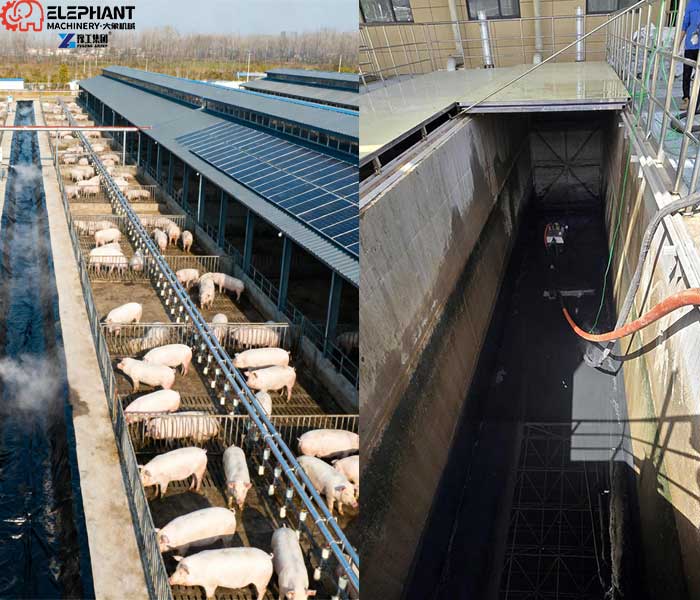
Livestock Wastewater Ponds
- Pig farm wastewater ponds
- Poultry farm manure tanks
- Cattle farm slurry lagoons
- Sheep and livestock waste storage pools
Manure Lagoons and Slurry Storage Systems
- Manure lagoons
- Slurry pits
- Organic waste storage tanks
- Agricultural wastewater reservoirs
Aquaculture Waste Management
- Fish farming ponds
- Shrimp farming ponds
- Recirculating aquaculture systems (RAS)
- Aquaculture sediment removal projects
Benefits for Livestock Waste Management
Restore Pond Capacity
Accumulated sludge occupies valuable storage space.
Regular sludge removal helps restore wastewater pond capacity and improves daily operation efficiency.
Improve Wastewater Treatment Performance
Excess sludge continuously releases organic pollutants into wastewater.
Removing bottom sludge helps reduce treatment loads and improves overall wastewater management.
Reduce Odor Problems
Removing accumulated organic sediment reduces anaerobic decomposition and helps control unpleasant odors around livestock facilities.
Reduce Labor Costs
Compared with manual cleaning, robotic operation reduces manpower requirements and improves cleaning efficiency.
Customized Sludge Removal Solutions for Different Farms
Every farm has different wastewater conditions.
Before selecting equipment, important factors include:
- Wastewater pond size
- Sludge depth
- Sludge concentration
- Transportation distance
- Required pumping capacity
- Working environment
Professional manufacturers can provide customized solutions, including:
- Hydraulic pump capacity
- Working depth
- Pipeline length
- Robot dimensions
- Cleaning attachments
- Remote-control configuration
Customized design ensures the equipment matches different livestock waste removal requirements.
Why Choose a Farm Sludge Cleaning Robot?
| Requires workers to enter wastewater areas | Remote-controlled operation |
| High safety risks | Safer cleaning process |
| Difficult for thick sludge removal | Designed for high-viscosity sludge |
| Limited cleaning range | Flexible pond coverage |
| High labor costs | Reduced long-term operation costs |
| Frequent pump blockage | Professional sludge pumping system |
Conclusion: A Smarter Solution for Livestock Sludge Removal
Accumulated sludge in livestock wastewater ponds and manure lagoons is a major challenge for modern farms.
Traditional cleaning methods often struggle with thick sludge, safety risks, and high labor costs.
The Farm Sludge Cleaning Robot for Livestock Wastewater Ponds and Manure Lagoons provides an efficient solution through powerful hydraulic pumping, remote operation, crawler mobility, and customized configurations.
By improving livestock wastewater sludge removal efficiency, this technology helps farms reduce environmental pressure, improve wastewater management, and achieve safer and more sustainable operations.