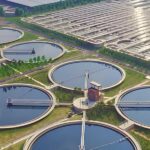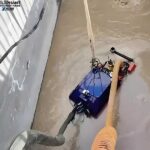
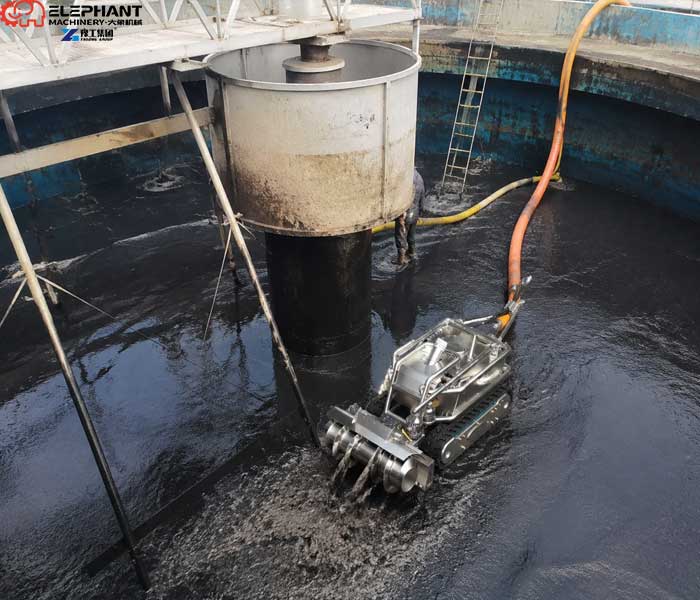
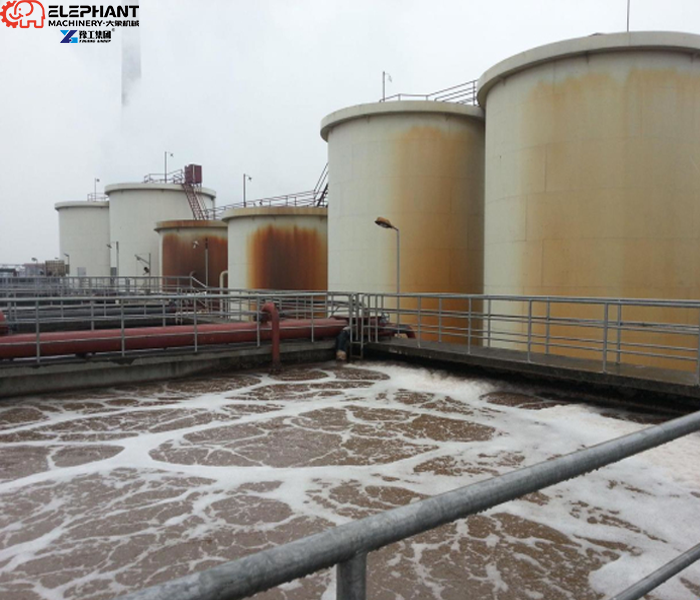
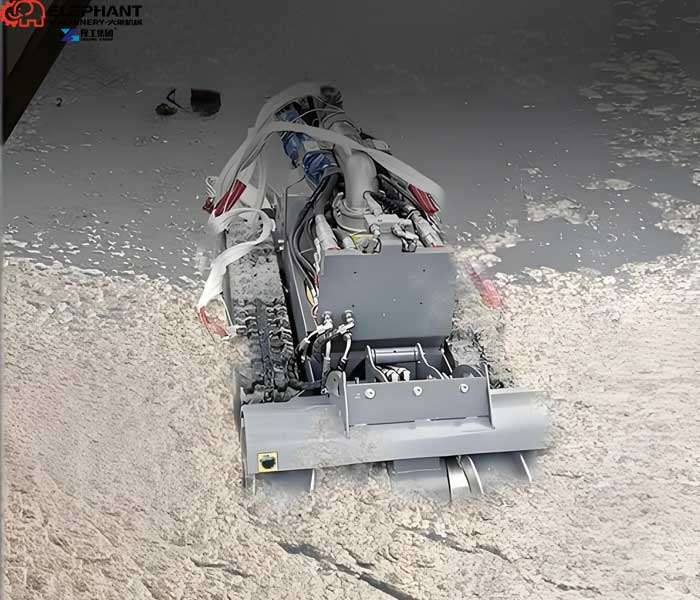
A wastewater treatment plant sludge removal robot is designed to remove accumulated sludge from sedimentation tanks, clarifiers, equalization tanks, and other wastewater treatment basins. It provides a remote-controlled solution for sites where manual entry is difficult, unsafe, or may require partial operational shutdown.
By combining crawler mobility, slurry pumping, and waterproof protection, the robot can support non-entry sludge removal in suitable wastewater treatment environments. Depending on the tank structure, sludge consistency, access size, and discharge distance, the system can be configured with different pumping and sludge loosening modules.
The YG series dredging robots are suitable for selected municipal and industrial wastewater applications, including wastewater basins, industrial treatment tanks, sedimentation facilities, and underground chambers. Equipment selection should be based on actual site conditions and an engineering assessment.
Wastewater Treatment Robot Parameters
The YG series provides different configurations for wastewater treatment plant sludge removal and related environmental engineering applications.
| YG450 | YG500 | YG600 | YG700 | YG800 | YG900 | YG1200 | |
| Robot Dimensions | ≤1700×450×450 | 1500×500×650 | 1500×600×650 | 1600×700×650 | 1600×850×700 | 1650×960×750 | 1900×1200×750 |
| Access Requirement | ≥600 mm | ≥600 mm | ≥600 mm | ≥700 mm | ≥800 mm | ≥900 mm | Large culvert |
| Pump Flow (m³/h) | 50 | 100 | 100 | 160 | 160 | 200 | 250 |
| Pump Head (m) | 0–30 | 0–30 | 0–30 | 0–25 | 0–25 | 0–25 | 0–30 (150 m horiz.) |
| Main Power (kW) | 11–15 | 18 | 18 | 22 | 22 | 22 | 45–50 / Diesel 76–123 |
| Pipe Length | 20–30 m | 30–50 m | 30–50 m | 30–50 m | 30–50 m | 30–50 m | 30 m/pack |
TThe actual pumping performance depends on sludge properties, pipeline diameter, discharge distance, elevation, and site conditions. The final configuration should be confirmed according to the project requirements.
Why Do Wastewater Treatment Plants Need Sludge Removal Robots?
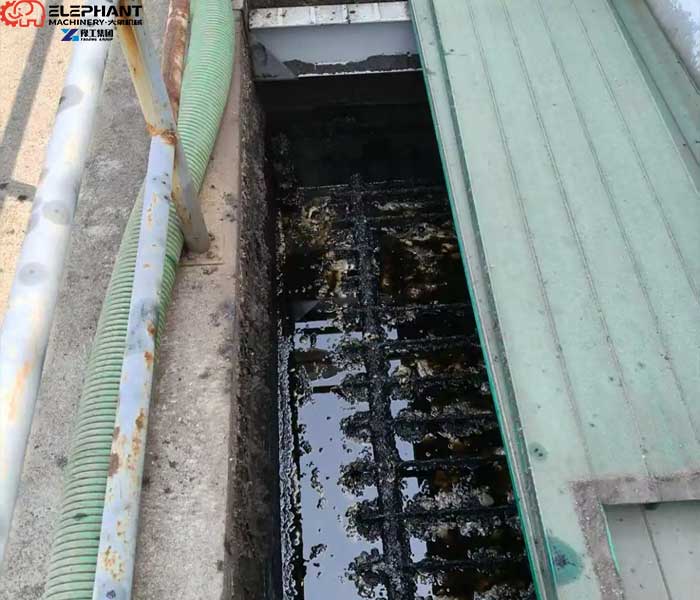
Sludge accumulation in wastewater treatment facilities can reduce effective tank volume, interfere with normal treatment processes, and increase cleaning and maintenance requirements.
Traditional cleaning methods may involve tank emptying, manual entry, vacuum equipment, or other temporary arrangements. A remote-controlled sludge removal robot provides an alternative for selected applications by allowing operators to control the equipment from outside the tank.
The robot can be considered for:
- Wastewater treatment tank sludge removal
- Sedimentation tank and clarifier cleaning
- Industrial wastewater basin maintenance
- Sludge removal from underground wastewater chambers
The appropriate cleaning method depends on tank access, sludge conditions, operational requirements, and site safety procedures.


Core Features of Wastewater Treatment Sludge Removal Robot Systems
1. Remote-Controlled Operation
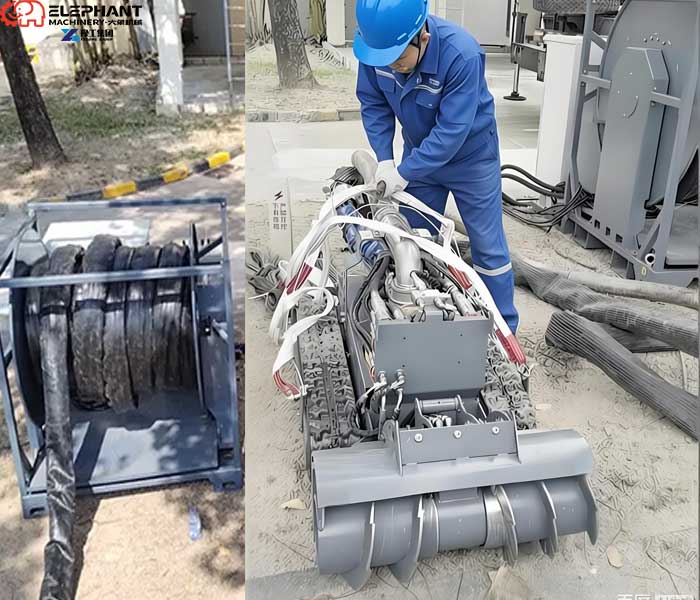
The robot is operated remotely through a wireless control system. Depending on the configuration, a camera and lighting system can provide visual feedback during operation.
Remote operation helps reduce the need for personnel to enter tanks or confined wastewater areas. However, site-specific safety procedures, atmospheric monitoring, and operational controls remain necessary.
2. Sludge Pumping System
The system can be configured with slurry pumping equipment for different sludge removal requirements.
Potential applications include:
- Soft biological sludge
- Sedimentation sludge
- Water-mixed sludge
- Selected fibrous or industrial sludge materials
The listed pump performance ranges from 50 m³/h to 250 m³/h, depending on the selected configuration and operating conditions.
Sludge must have suitable fluidity and pumpability. When the material is too thick or compacted, additional loosening or water mixing may be required before pumping.
3. Crawler Mobility
The tracked chassis supports robot movement across suitable tank floors and sediment-covered surfaces.
It may be used in:
- Wastewater treatment basins
- Sedimentation tanks
- Sludge-covered tank floors
- Selected underground wastewater chambers
Actual mobility depends on the tank floor, sludge depth, water level, obstacles, and access conditions.
4. Modular Custom Engineering
The system can be configured according to the project’s sludge removal and pumping requirements. Possible options include:
- High-pressure water jet loosening
- Cutter or auger head for selected sludge conditions
- Slurry pumping system
- Extended discharge pipeline
- Corrosion-resistant materials where required
- Customized control and power arrangements
For sites with potentially explosive atmospheres, hazardous-area classification, electrical requirements, and applicable certifications must be reviewed before equipment selection. Special configurations should not be treated as automatic approval for every hazardous area.
How Does the Robot Remove Sludge from a Wastewater Treatment Tank?
The working process depends on sludge consistency and the condition of the treatment tank.
1. Site Assessment
Engineers evaluate:
- Tank dimensions and depth
- Manhole or access opening
- Sludge thickness and composition
- Available working space
- Discharge distance and pipeline route
2. Sludge Loosening
Soft sludge may be pumped directly when it has sufficient fluidity. Compacted sludge may require a water jet, cutter, or auger head to improve material mobility.
3. Slurry Preparation
When necessary, water can be added to help convert thick deposits into a pumpable slurry. The required water quantity depends on the sludge composition, moisture content, and pumping system.
4. Sludge Pumping
The prepared slurry is transferred through a suitable discharge pipeline. Pump selection must consider flow rate, head, pipe length, elevation, and solid content.
5. Site-Specific Adjustment
The equipment configuration may be adjusted according to access restrictions, tank conditions, sludge properties, and the customer’s discharge requirements.

Applications of Wastewater Treatment Plant Sludge Removal Robots
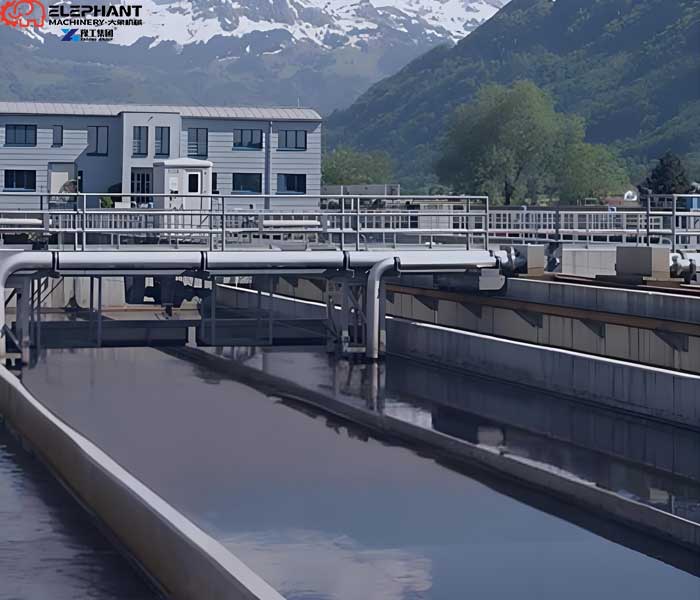
Wastewater and Environmental Infrastructure
- Sedimentation tanks
- Clarifiers
- Equalization tanks
- Underground wastewater basins
- Selected industrial pumping stations
- Stormwater retention tanks
Industrial Wastewater Treatment Systems
- Chemical processing wastewater tanks
- Food and beverage wastewater systems
- Paper mill wastewater basins
- Manufacturing wastewater treatment facilities
Other Sludge Management Applications
- Industrial sedimentation basins
- Selected petrochemical wastewater tanks
- Mining wastewater facilities
- High-density slurry storage areas
Application suitability depends on the sludge characteristics, tank construction, access conditions, and required safety measures. For corrosive or potentially hazardous environments, material compatibility and engineering requirements must be reviewed in advance.
How to Select the Right Sludge Removal Robot System?
When selecting a sludge removal robot for wastewater treatment, engineers should evaluate the following factors.
1. Access Structure
- Around 600 mm access: Compact crawler models may be considered.
- Access of 800 mm or larger: Medium-sized configurations may be suitable.
- Open basins: Larger models may be considered according to the required pumping capacity.
The minimum access requirement must include sufficient clearance for equipment entry, movement, lifting, and safe operation.
2. Sludge Characteristics
- Soft biological sludge: A standard pumping configuration may be suitable.
- Thick or compacted sludge: Water jet, cutter, or auger assistance may be required.
- Fibrous or solid-containing sludge: The pump and anti-clogging configuration should be reviewed before use.
A site assessment is necessary to determine whether the sludge can be pumped directly or requires additional preparation.
3. Discharge Distance
Long-distance pumping may require:
- A suitable slurry pump
- Appropriate pipeline diameter
- Reinforced discharge hoses or pipes
- Consideration of vertical lift and pipeline bends
The actual discharge distance should be calculated based on the pump performance, sludge properties, pipeline layout, and elevation. The listed maximum values should not be considered applicable to every working condition.
4. Environmental Conditions
- Corrosive wastewater → Review material compatibility and corrosion protection.
- Potentially explosive atmosphere → Review hazardous-area classification and certification requirements.
- Deep tank operation → Confirm sealing, cable, and equipment protection requirements.
- Confined access → Check equipment dimensions, lifting method, and operating clearance.

FAQ – Wastewater Treatment Plant Sludge Removal Robot
Q1: Can the robot remove sludge without fully emptying the tank?
In suitable conditions, the robot may remove sludge without fully draining the tank. Feasibility depends on the treatment process, water level, sludge properties, tank structure, and site safety requirements.
Q2: What types of wastewater facilities can use the robot?
Potential applications include:
- Wastewater treatment plants
- Industrial wastewater facilities
- Sedimentation tanks and clarifiers
- Chemical and manufacturing wastewater systems
- Selected underground wastewater basins
The final application should be confirmed through a site assessment.
Q3: Can the sludge removal system be customized?
Yes. Customization may include:
- Pump capacity
- Robot dimensions
- Access requirements
- Discharge pipeline length
- Sludge loosening equipment
- Material selection
- Control and power configuration
The available options depend on the specific model and engineering requirements.
Q4: How many operators are required?
The robot control system can generally be operated by a trained operator. Additional personnel may be needed for pumping, lifting, safety supervision, pipeline handling, and site coordination.
The actual manpower requirement depends on the project arrangement and local safety procedures.
Q5: What is the service life of the robot?
Service life depends on operating hours, sludge composition, corrosion exposure, maintenance, and replacement of wearing parts. The expected service life should be evaluated according to the working environment and maintenance conditions rather than applying one fixed figure to every project.
Conclusion
The wastewater treatment plant sludge removal robot provides a remote-controlled approach to sludge removal in selected sedimentation tanks, clarifiers, wastewater basins, and industrial treatment facilities.
By combining crawler mobility, slurry pumping, and optional sludge loosening equipment, the system can be configured for different access conditions, sludge properties, and discharge requirements.
Before selecting a robot, customers should provide information about the tank dimensions, access opening, sludge characteristics, water depth, discharge distance, and operating conditions. Elephant Machinery can evaluate these details and recommend a suitable configuration based on the actual project requirements.