
Industry Overview & Key Challenges
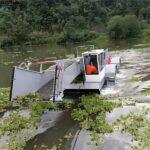
Natural water bodies such as urban lakes, rivers, wetlands, fish ponds, reservoirs, and irrigation canals play a critical role in ecological balance, flood regulation, and water resource sustainability.
However, long-term sediment accumulation gradually reduces water depth, weakens water circulation, and negatively affects aquatic ecosystems.
Unlike industrial or municipal environments, environmental dredging projects must prioritize minimal ecological disturbance, as these ecosystems often contain fish, aquatic plants, and sensitive biological habitats.
Key challenges include:
- Large-area and uneven sediment distribution
- Strict ecological protection requirements
- Sensitive aquatic ecosystems (fish, plants, wetlands)
- Limited ability to use heavy excavation equipment
- Need for gradual, non-disruptive dredging methods
Why Traditional Dredging Methods Are Not Suitable?
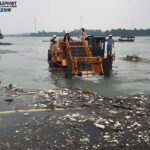
Conventional dredging approaches such as excavators, large suction dredgers, or hydraulic excavation methods often cause:
- Excessive disturbance to aquatic ecosystems
- High turbidity and water quality disruption
- Damage to fish habitats and wetland structures
- Inefficiency in shallow or soft sediment areas
- Unsuitable operation in protected ecological zones
👉 Therefore, environmental projects require a low-impact, precision-controlled dredging approach.
Technical Solution: Low-Impact Ecological Dredging Workflow
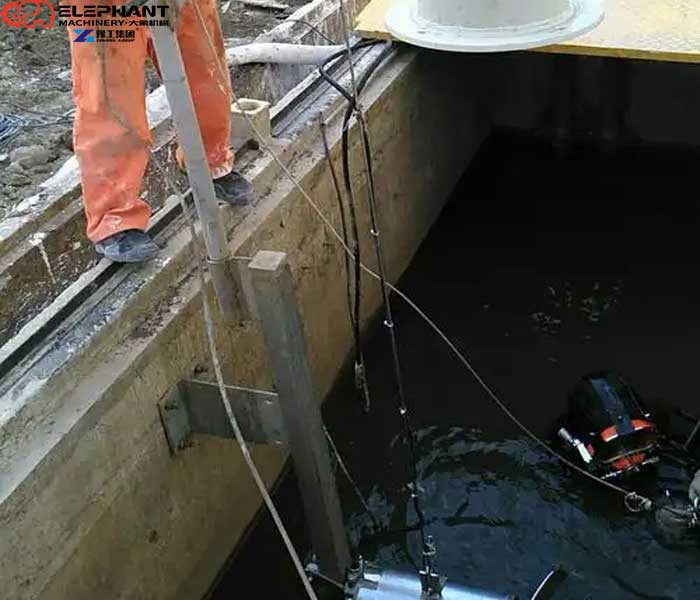
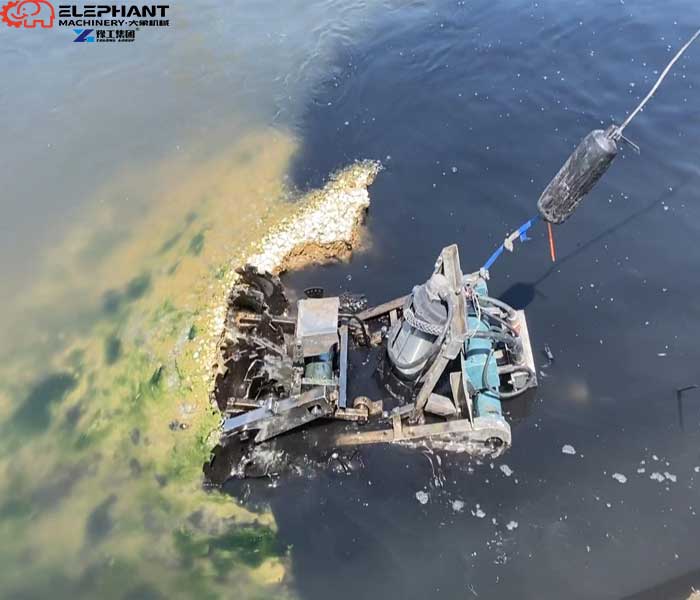
Elephant Machinery provides an advanced environmental dredging system designed for lakes, rivers, wetlands, fish ponds, and ecological restoration projects.
The system focuses on localized sediment removal rather than large-scale excavation, ensuring gradual and controlled restoration of water depth.
Once deployed, the system operates through a precision ecological workflow:
1. Localized sediment removal
Sediment is gradually loosened and extracted from targeted bottom layers without disturbing large surrounding areas.
2. Low-disturbance aquatic operation
The system moves with remote precision control across shallow and deep zones, minimizing impact on fish, plants, and aquatic habitats.
3. Controlled sediment extraction
Loosened sediment is gently transported through a controlled pumping process to external discharge points, ensuring stable and continuous removal.
👉 This enables efficient dredging while preserving ecological balance and water quality stability.
System Functional Advantages
1. Low-Impact Remote Operation System
- Wireless remote-controlled operation
- Precision movement in shallow and deep water zones
- Minimal disturbance to aquatic ecosystems
- Real-time visual monitoring system
👉 Ensures safe operation in sensitive ecological environments
2. Controlled Sediment Extraction System
- Gradual sediment removal process
- Prevents sudden turbidity spikes in water
- Suitable for soft sludge and fine sediment layers
- Stable operation in natural water environments
3. Adaptive Environmental Mobility System
- Suitable for lakes, rivers, wetlands, and ponds
- Stable movement in uneven underwater terrain
- Designed for long-duration ecological projects
- Works in shallow water and complex bottom conditions

Application Scenarios
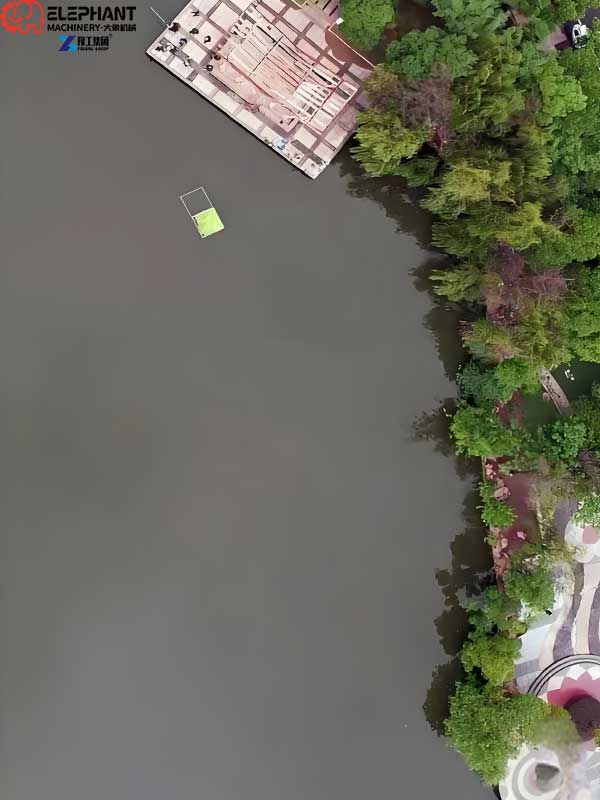
- Urban lake restoration projects
- River sediment management systems
- Wetland ecological conservation areas
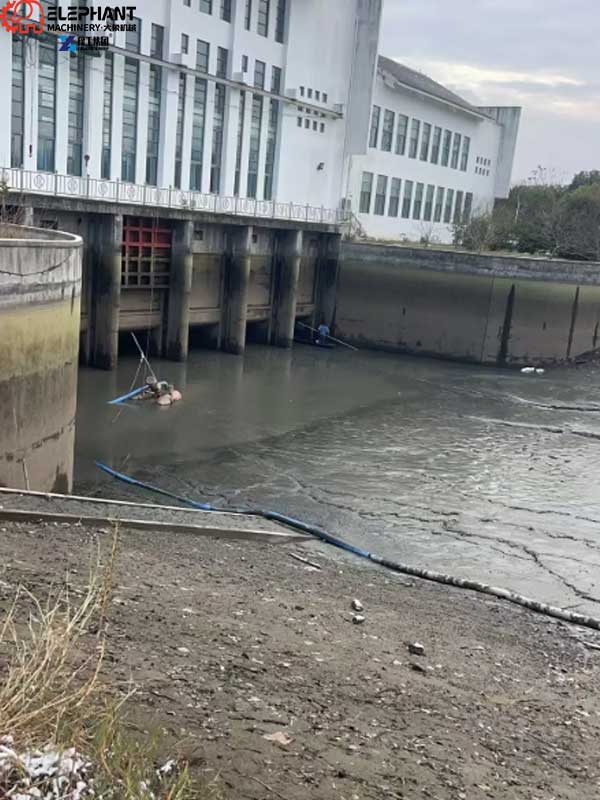
- Fish pond desilting and maintenance
- Irrigation canal cleaning
- Reservoir environmental dredging projects
Conclusion
The Elephant Machinery environmental dredging system provides a low-impact and ecologically safe solution for sediment removal in natural water bodies.
By combining precision remote control and controlled sediment extraction, it enables effective water body restoration while protecting aquatic ecosystems and maintaining environmental stability.