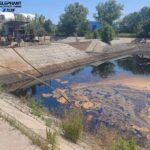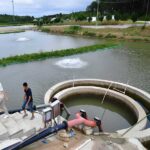
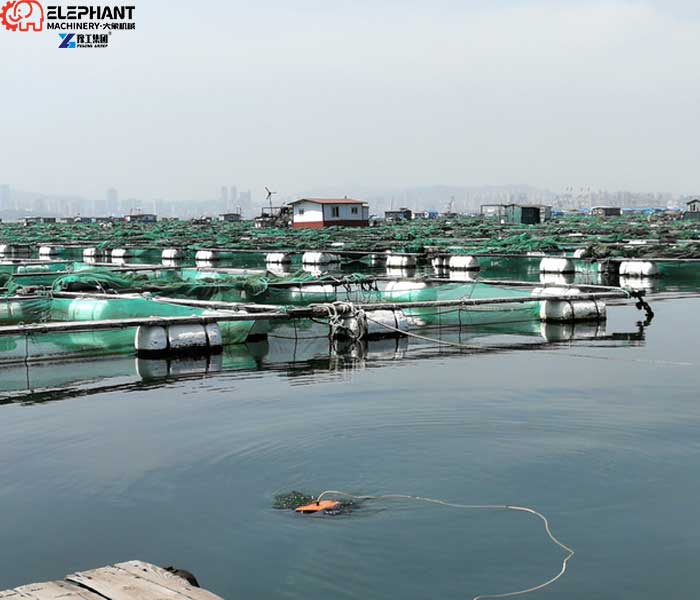
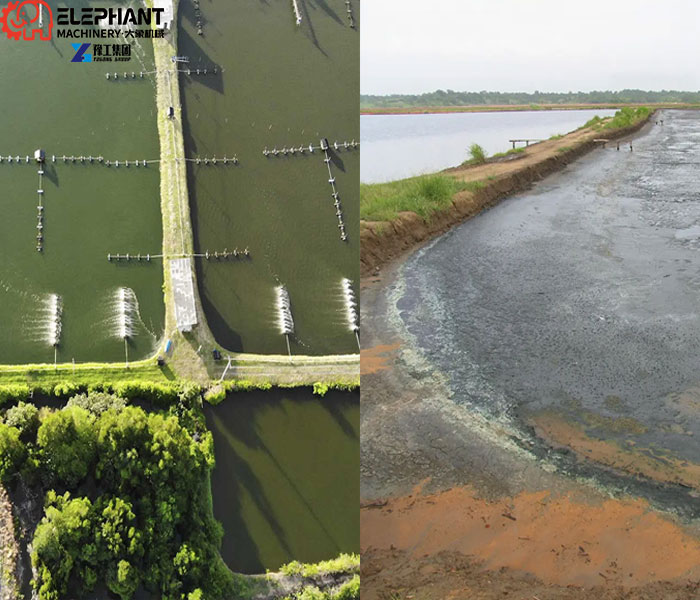
Shrimp ponds are highly sensitive aquaculture environments where water quality directly determines survival rate, growth speed, and disease resistance.
Over time, shrimp ponds accumulate:
- Uneaten feed
- Shrimp feces
- Biofloc sludge
- Organic sediment
- Anaerobic black mud layers
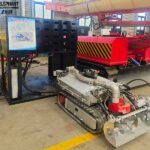
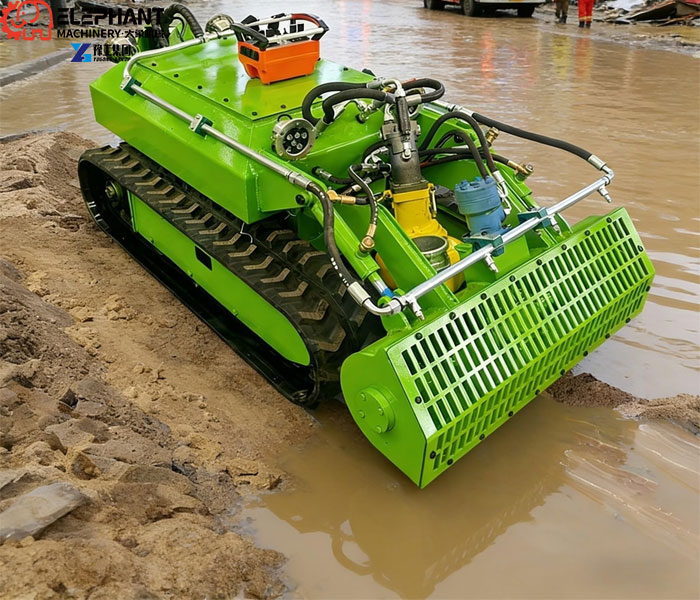
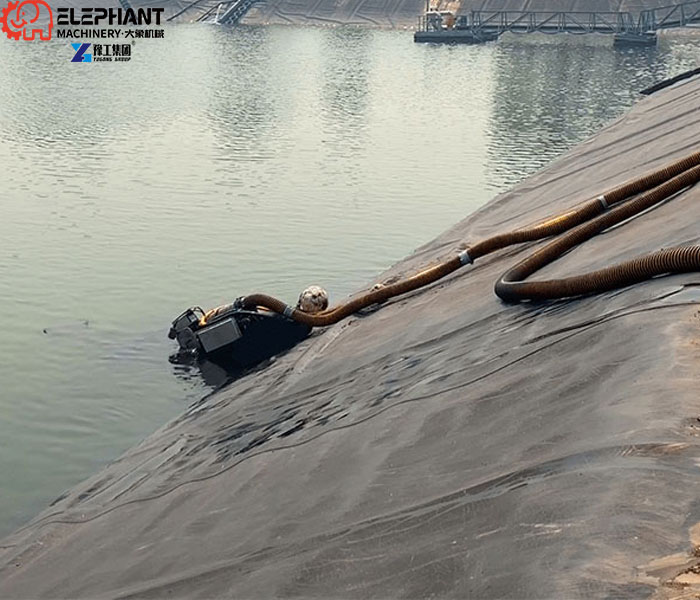
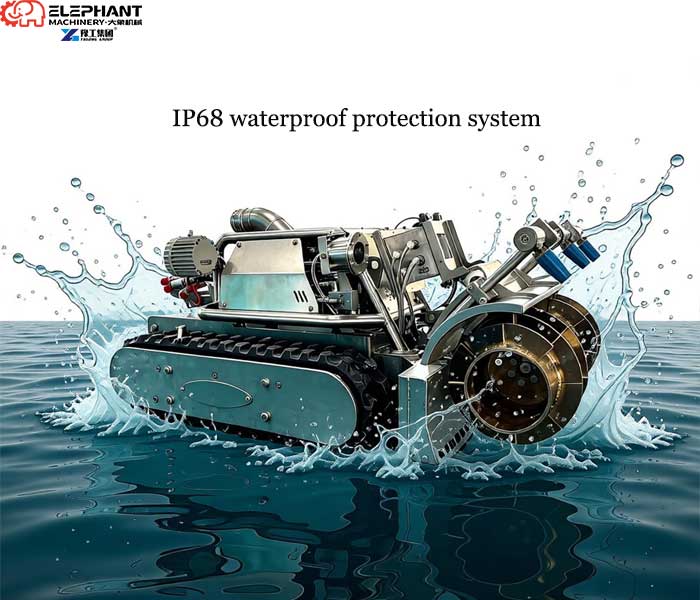
These deposits create toxic conditions such as ammonia spikes, hydrogen sulfide, and Vibrio bacteria growth, which can lead to mass shrimp mortality. The shrimp pond dredging robot is designed to solve this problem by providing precise, low-disturbance sludge removal without draining the pond or stopping production. It uses a crawler-based underwater dredging system to safely remove bottom sludge while maintaining stable water conditions for shrimp farming.
Shrimp Pond Dredging Robot Parameters
| Parameter | YG450 | YG500 | YG600 | YG700 | YG800 | YG900 | YG1200 |
| Robot Dimensions (mm) | ≤1700 × 450 × 450 | 1500 × 500 × 650 | 1500 × 600 × 650 | 1600 × 700 × 650 | 1600 × 850 × 700 | 1650 × 960 × 750 | 1900 × 1200 × 750 |
| Applicable Manhole / Access | ≥600 mm opening | ≥600 mm opening | ≥600 mm opening | ≥700 mm opening | ≥800 mm opening | ≥900 mm opening | Large culvert / open access |
| Dredging Width (mm) | 450 | 500 | 600 | 700 | 800 | 900 | Suitable for large culverts |
| Travel Speed (m/min) | 3–12 | 3–15 | 3–15 | 3–15 | 3–15 | 3–15 | 3–17 |
| Pump Diameter (inch) | 3 | 3 | 3 | 4 | 4 | 4 | 4 or 6 |
| Pump Flow (m³/h) | 50 | 100 | 100 | 160 | 160 | 200 | 250 |
| Pump Head (m) | 0-30 | 0–30 | 0–30 | 0–25 | 0–25 | 0–25 | 0–30 (Horizontal: 100–150 m) |
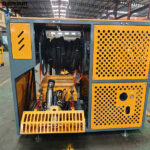
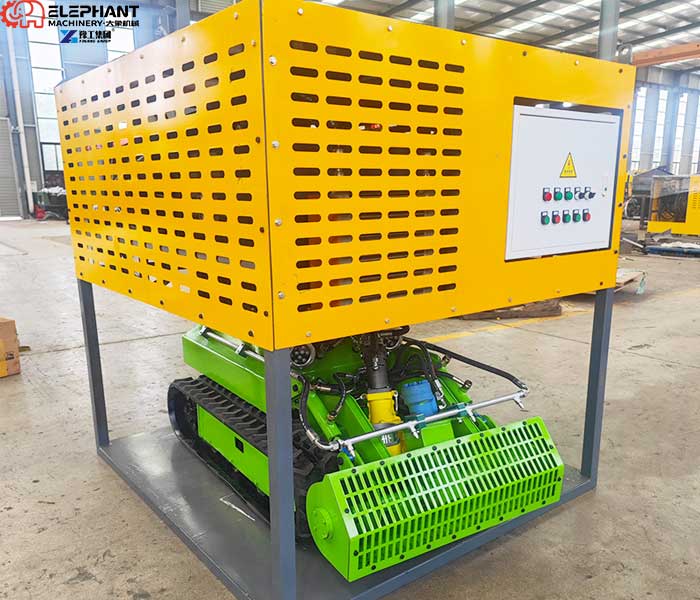
| Hydraulic Station Dimensions (mm) | 2000 × 1100 × 1500 (recommended) | 2200 × 1200 × 1700 | 2200 × 1200 × 1700 | 2200 × 1200 × 1700 | 2200 × 1200 × 1700 | 2200 × 1200 × 1700 | 2120 × 1240 × 1200 |
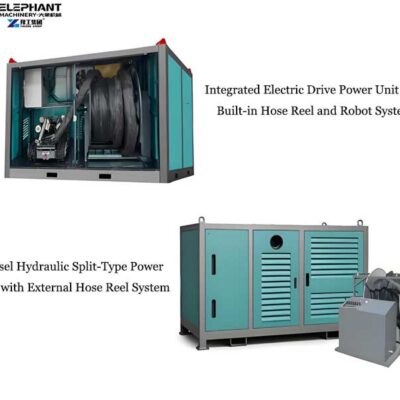
| Main Motor Power (kW) | 11–15 kW | 18 | 18 | 22 | 22 | 22 | 45 kW (50 kW) / Diesel 76 kW (123 kW) |
| Hydraulic System Pressure (MPa) | 0–16 | 0–16 | 0–16 | 0–16 | 0–16 | 0–16 | Custom / high-pressure system |
| Particle Size Capacity (mm) | ≤10–20 mm (soft sludge) | 15 | 15 | 40 | 40 | 50 | 0–40 (customizable) |
| Winch Speed (r/min) | 0–10 | 0–10 | 0–10 | 0–10 | 0–10 | 0–10 | 0–10 |
| Pipe Length (m) | 20–30 optional | 30–50 optional | 30–50 optional | 30–50 optional | 30–50 optional | 30–50 optional | 30 m/pack, high-pressure resistant |
| Control System | Wireless Remote Control | Wireless Remote | Wireless Remote | Wireless Remote | Wireless Remote | Wireless Remote | Wireless Remote |
| Lighting System | Underwater LED ×2 | Underwater LED ×2 | Underwater LED ×2 | Underwater LED ×2 | Underwater LED ×2 | Underwater LED ×2 | Underwater LED ×2 |
Why Shrimp Ponds Need Professional Dredging Systems?
Unlike fish ponds, shrimp ponds are:
- Higher density farming systems
- More sensitive to oxygen fluctuations
- More dependent on biofloc balance
- Prone to toxic sludge layers
Main problems caused by sludge buildup:
- Sudden shrimp disease outbreaks (Vibrio, EMS/AHPND)
- High ammonia and nitrite levels
- Oxygen depletion at pond bottom
- Reduced feed conversion rate (FCR increase)
- Slow shrimp growth and uneven size
👉 In shrimp farming, bottom sludge management = survival rate control
Traditional Shrimp Pond Cleaning Methods and Their Limitations
| Cleaning Method | Main Limitations | Impact on Shrimp Farming |
|---|---|---|
| Drain & Dry Method | Requires draining pond water; causes water loss; requires drying and restarting the pond | Interrupts production and extends the pond preparation cycle |
| Manual Cleaning | Low cleaning efficiency; high labor costs; potentially hazardous working conditions | Increases labor expenses and makes large-scale pond maintenance difficult |
| Excavator Cleaning | May damage HDPE pond liners; difficult to control water turbidity; unsuitable for cleaning active ponds in many situations | Risks liner damage and may disturb the pond environment |
For intensive shrimp farming, these traditional methods may create challenges in production continuity, labor efficiency, and pond liner protection. A suitable dredging robot can help remove accumulated sludge with less disruption when properly selected and operated.
How Shrimp Pond Dredging Robot Works?
The system integrates four core modules:
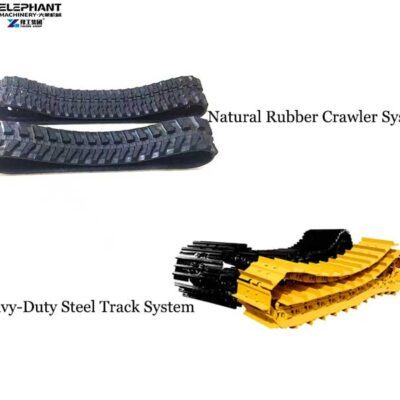
1. Low-Disturbance Crawler System
Rubber tracks ensure stable movement without damaging HDPE liners.
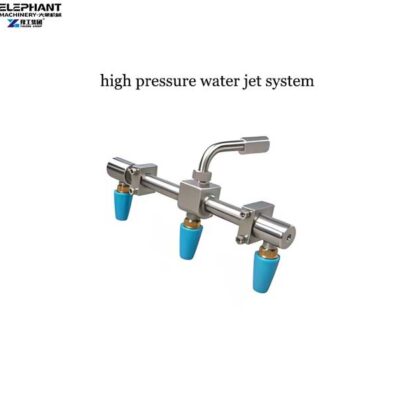
2. High-Precision Sludge Suction System
Removes anaerobic sludge layer directly from pond bottom.
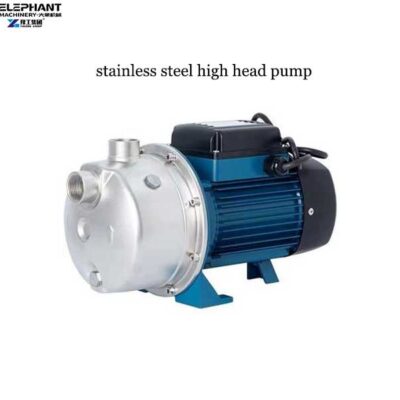
3. Anti-Clogging Pump System
Handles thick organic shrimp sludge and biofloc sediment.
4. Remote Control Operation System
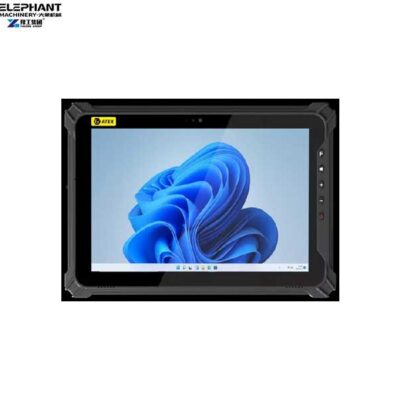
Allows operators to clean ponds safely without entering water.
Key Features of Shrimp Pond Cleaning Robot
- Biofloc-Friendly Sludge Removal: Removes accumulated sludge, leftover feed, and organic waste while helping minimize unnecessary disturbance to the pond environment.
- Adjustable Auger Height: Adjusts the front auger height to control cleaning depth, helping remove sludge while reducing the risk of damaging the HDPE pond liner.
- HDPE Liner Protection: Rubber crawler tracks support stable movement across the pond bottom, helping reduce the risk of liner damage during operation.
- Hydraulic Sludge Pumping: Handles mixtures of shrimp waste, leftover feed, and sediment for efficient hydraulic transportation through a discharge pipeline.
- Reduced Water Disturbance: Controlled auger operation and sludge pumping help minimize sediment disturbance during cleaning.
- Remote-Controlled Operation: Allows operators to control the robot remotely, reducing the need for direct pond entry and manual sludge handling.
- Continuous Operation for Commercial Farms: Designed for routine sludge removal in commercial shrimp ponds, with performance depending on model configuration and site conditions.
Applications of Shrimp Pond Dredging Robot
- Intensive shrimp farming ponds
- Biofloc shrimp aquaculture systems
- HDPE-lined shrimp ponds
- Earthen shrimp ponds
- Industrial shrimp farming projects
- Coastal shrimp farms
- Inland shrimp farming systems
- Semi-intensive aquaculture systems
Shrimp Pond Cleaning Cost Comparison
| Cost Item | Traditional Cleaning | Robot-Based Cleaning |
|---|---|---|
| Labor and Drainage | $20,000/year | — |
| Production Loss Due to Disease | $15,000/year | — |
| Operation Cost | — | $4,000/year |
| Maintenance Cost | — | $1,500/year |
| Total Annual Cost | $35,000 | $5,500 |
| Potential Annual Savings | — | Up to $29,500 |
| Estimated Payback Period | — | 6–10 months |
Illustrative cost comparison only. Actual costs, savings, and payback periods vary depending on farm size, labor rates, cleaning frequency, sludge conditions, and disease-related losses.
How to Choose the Right Model of Shrimp Pond Dredging Robot
Choosing the right shrimp pond dredging robot depends on pond size, sludge conditions, farming practices, and pond-bottom material. Consider the following factors before selecting a model.
1. Pond Size and Required Pump Capacity
Select a robot based on the pond area, sludge accumulation, and required cleaning time.
- Small farms: 30–60 m³/h
- Medium farms: 60–120 m³/h
- Large commercial farms: 120–250 m³/h
These ranges are preliminary guidelines. Actual capacity requirements depend on sludge volume, solids concentration, pipeline length, and discharge head.
2. Sludge Type and Thickness
Different sludge conditions require different cleaning and pumping configurations.
- Biofloc systems: Choose a configuration that allows controlled cleaning with minimal unnecessary disturbance.
- Soft sludge and organic waste: Use a suitable pumping system to handle leftover feed, shrimp waste, and fine sediment.
- Thick or compacted sludge: Consider a reinforced sludge-handling system and an auger designed for the specific material.
3. Farming System and Pond Liner
The robot should match the pond layout and farming method.
- Intensive shrimp farms: Prioritize controllable cleaning, operational efficiency, and minimal disturbance to the pond environment.
- Semi-intensive farms: Consider pond size, sludge accumulation, and cleaning frequency.
- HDPE-lined ponds: Choose a crawler robot with adjustable hydraulic auger height to control cleaning depth and reduce the risk of damaging the liner.
- Earthen ponds: Consider bottom softness, terrain, and the risk of disturbing the pond soil.
4. Sludge Transportation Distance
The required pipeline length and discharge height affect the pumping configuration. Confirm the distance to the discharge point, pipeline diameter, and required discharge head to ensure the selected robot can transport the sludge effectively.
5. Pond Access and Operating Conditions
Check the pond entrance, water depth, bottom conditions, and available working space. The robot’s dimensions, crawler configuration, and operating depth should suit the actual site.
Need help selecting a model? Send us your pond dimensions, sludge thickness, pond-bottom material, and estimated discharge distance. Our team can recommend a suitable shrimp pond dredging robot based on your operating conditions.
Why Choose Our Shrimp Pond Dredging Robot?
- Designed specifically for shrimp aquaculture conditions
- Proven sludge removal technology used in industrial dredging
- Compatible with HDPE-lined biofloc systems
- Factory direct supply with OEM customization
- Export experience in Southeast Asia, Middle East, Latin America
FAQ about Shrimp Farm Dredging Focused
1. Can a dredging robot be used in biofloc shrimp ponds?
Yes. A properly configured dredging robot can remove excess sludge and leftover feed while minimizing unnecessary disturbance to the pond environment. Cleaning settings should be adjusted to suit the farm’s biofloc management requirements.
2. Will sludge removal affect shrimp health or survival?
Excessive sediment disturbance can affect water quality and stress shrimp. The robot uses controlled sludge removal to help minimize disturbance, but results depend on operating settings, water conditions, and farming practices.
3. Can it remove black anaerobic sludge from the pond bottom?
Yes, it can be configured to remove accumulated organic sludge, including black bottom deposits. For thick or compacted sludge, the auger and pumping system should be selected according to sludge consistency and solids concentration.
4. Does the pond need to be drained before cleaning?
Not necessarily. The robot can operate underwater, allowing sludge removal without fully draining the pond. Whether cleaning can proceed while shrimp remain in the pond depends on water quality, sludge conditions, and the farm’s operating procedures.
5. Can it work in HDPE-lined shrimp ponds?
Yes. A crawler system and hydraulically adjustable auger height can help control movement and cleaning depth, reducing the risk of damaging the HDPE liner. The machine must be configured and operated according to the liner’s condition and thickness.
6. What types of sludge can it remove?
It can handle suitable mixtures of shrimp waste, leftover feed, organic sediment, and excess biofloc. Pump selection depends on sludge thickness, solids concentration, and the required transportation distance.
7. How often should shrimp ponds be cleaned?
There is no fixed schedule for every farm. Cleaning frequency depends on stocking density, feeding rates, sludge accumulation, and water-quality indicators. Inspecting the pond bottom regularly helps determine when sludge removal is needed.
8. Is it suitable for high-density shrimp farming?
Yes. It can support sludge management in intensive shrimp farms by reducing manual cleaning and helping remove accumulated organic waste. The appropriate model depends on pond size, sludge load, liner type, and required cleaning capacity.
Improve Shrimp Survival Rate with Professional Sludge Removal System
We provide customized Shrimp Pond Cleaning Robots for intensive aquaculture farms worldwide.
👉 Request technical proposal
👉 Get model recommendation for your shrimp pond
👉 Receive quotation & working video within 24 hours