Introduction: Why Livestock Wastewater Sludge Removal Matters?
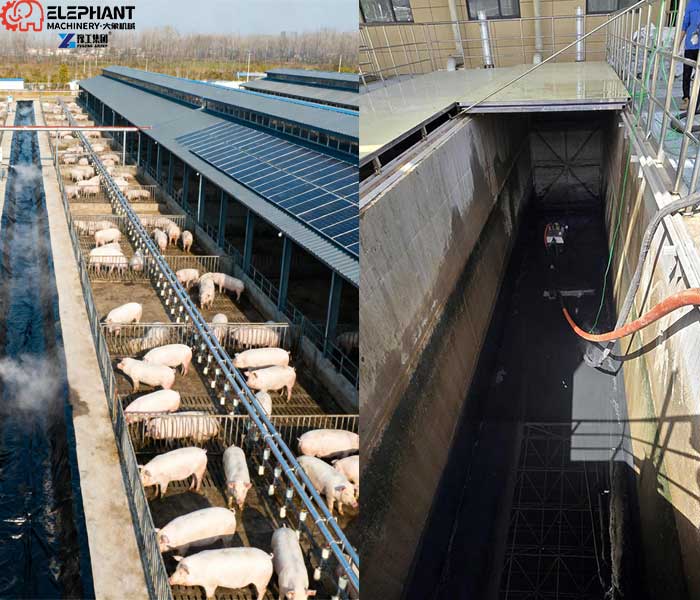
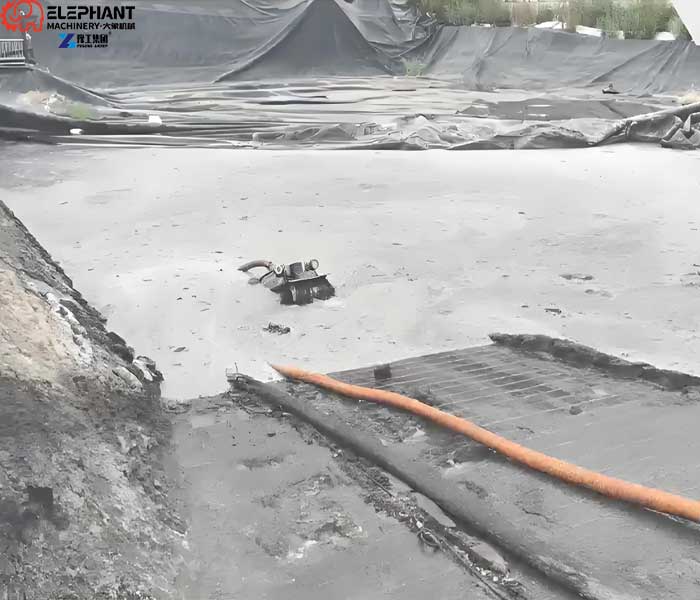
For modern livestock farms, wastewater management is an essential part of daily operation. During long-term farming activities, wastewater ponds, manure storage lagoons, and sedimentation basins gradually accumulate large amounts of sludge.
This sludge is mainly composed of:
- Animal manure
- Feed residues
- Organic sediments
- Wastewater solids
- Microbial residues
Unlike ordinary sediment, livestock wastewater sludge contains a high percentage of organic materials. Over time, it becomes thicker, stickier, and more difficult to remove.
Excessive sludge accumulation can cause several problems:
- Reduced wastewater pond capacity
- Increased odor problems
- Poor wastewater treatment efficiency
- Higher maintenance costs
- More difficult farm waste management
For this reason, many livestock farms are looking for efficient ways to remove sludge from wastewater ponds while reducing labor requirements and avoiding unnecessary operation interruptions.
This guide explains why sludge accumulates, common removal methods, their limitations, and how modern cleaning solutions help farms manage wastewater more efficiently.
Why Does Sludge Accumulate in Livestock Wastewater Ponds?
Sludge accumulation is a natural result of livestock production. Wastewater from animal housing areas carries different organic materials into storage ponds and treatment systems.
Over time, these materials settle at the pond bottom and gradually form sludge layers.
1. Animal Manure Accumulation
Livestock manure is one of the main sources of wastewater sludge.
During daily farming operations, animal waste enters wastewater systems and settles at the bottom of ponds. In high-density farms, sludge can build up quickly if wastewater is not managed properly.
2. Feed Residues and Organic Waste
Not all feed is consumed or fully digested.
Remaining feed particles and organic waste enter wastewater streams and increase the amount of solid materials accumulating in ponds.
3. Microbial Decomposition Process
When organic materials remain underwater for a long time, microorganisms begin decomposition.
During this process:
- Oxygen levels decrease
- Anaerobic areas develop
- Unpleasant odors may appear
- Sludge becomes more compact
4. Long-Term Sedimentation
Heavy particles naturally settle at the bottom of wastewater ponds.
Without regular sludge removal, the sediment layer becomes thicker and more difficult to pump or transport.
What Problems Does Excessive Sludge Cause on Livestock Farms?
Accumulated sludge is more than just waste at the bottom of a pond. It can directly affect wastewater management efficiency.
1. Reduced Wastewater Storage Capacity
As sludge builds up, it occupies valuable pond space.
The effective storage capacity decreases, which may require more frequent pond maintenance or expansion.
2. Increased Odor Problems
Organic sludge continues to decompose under anaerobic conditions.
This process can produce unpleasant odors and affect the surrounding farm environment.
3. Higher Pressure on Wastewater Treatment Systems
Excess sludge continuously releases organic pollutants into wastewater.
As a result, downstream treatment systems need to handle a heavier load, reducing overall efficiency.
4. More Difficult Pond Maintenance
After years of accumulation, sludge becomes dense and sticky.
Traditional cleaning methods may struggle to remove thick bottom sediment completely.
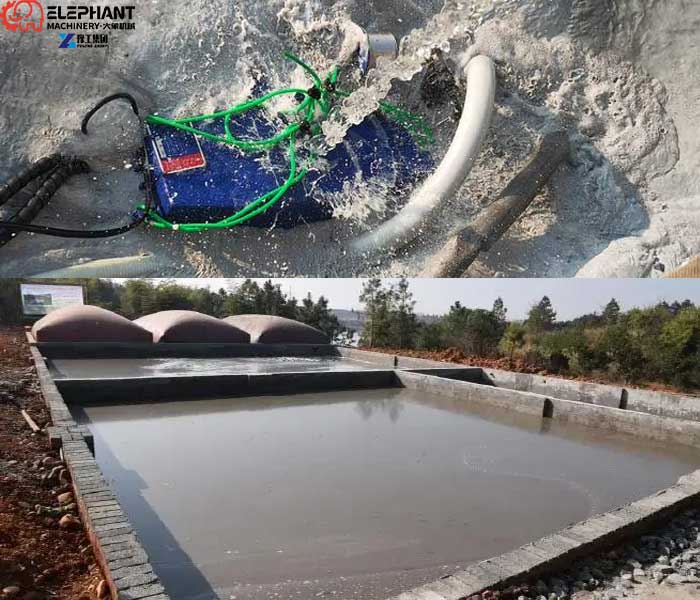

How Robotic Sludge Removal Improves Farm Waste Management?
For ponds with years of accumulated sludge, traditional pumping methods may not provide a complete solution.
Removing accumulated sludge is not only about cleaning the pond surface. It helps improve the entire wastewater management process.
After removing excess sludge, farms can achieve:
Increased Pond Capacity
Removing bottom sediment restores effective storage volume.
Reduced Odor Problems
Less accumulated organic sludge means fewer anaerobic decomposition problems.
Improved Wastewater Treatment Performance
Reducing sludge load helps wastewater treatment systems operate more efficiently.
Better Resource Utilization
Collected sludge can be further processed through:
- Organic fertilizer production
- Biogas systems
- Agricultural recycling programs
Common Methods to Remove Sludge from Livestock Wastewater Ponds
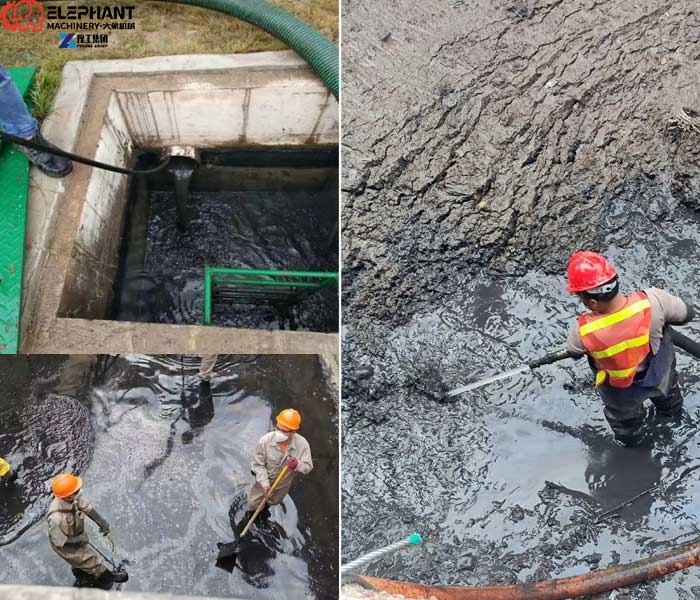
1. Manual Sludge Cleaning
Manual cleaning is one of the oldest methods used in small farms.
Workers enter the pond and remove sludge using tools or simple equipment.
However, this method has several disadvantages:
- High labor intensity
- Low cleaning efficiency
- Difficult operation in deep sludge
- Potential safety risks
Livestock wastewater environments may contain harmful gases and microorganisms, making direct human contact unsafe.
2. Sludge Pumping with Traditional Equipment
Some farms use vacuum trucks or standard pumps for manure pond cleaning.
Although these methods can remove liquid waste, they often have difficulties with thick bottom sludge.
Common problems include:
- Pump blockage
- Limited suction ability
- Poor performance with high-density sludge
- Incomplete cleaning of pond bottoms
3. Pond Draining and Excavation
Another option is completely draining the pond and removing dried sludge mechanically.
However, this method requires:
- Farm operation interruption
- Large labor input
- Additional transportation costs
- Suitable weather conditions
It is not practical for many large livestock farms that need continuous operation.
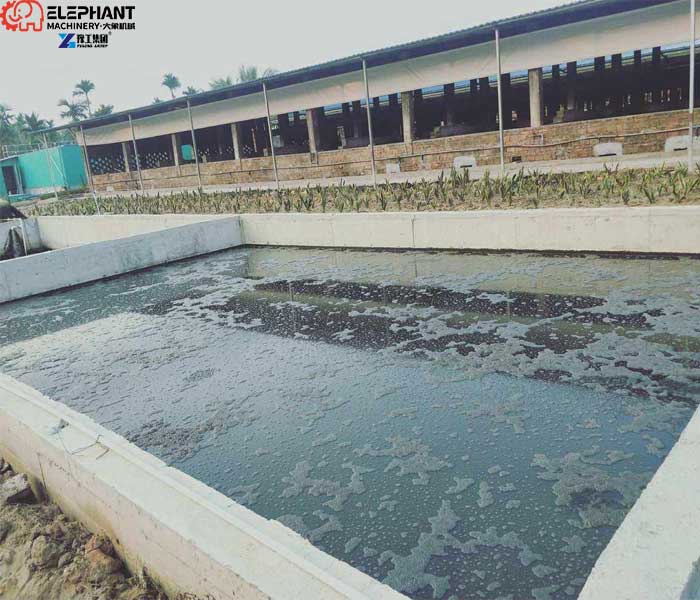
How to Choose the Right Livestock Wastewater Sludge Removal Method?
The best cleaning method depends on actual farm conditions.
Before selecting a solution, consider the following factors:
1. Sludge Thickness
Thin sludge layers may be easier to remove with conventional pumping methods.
However, thick and compact sludge usually requires specialized equipment capable of handling high-solid materials.
2. Pond Size
Small farms may use simple cleaning methods.
Large livestock farms with multiple wastewater ponds usually need more efficient solutions to reduce labor costs and cleaning time.
3. Farm Operation Requirements
Some farms can stop operation during cleaning.
However, large commercial farms often need solutions that minimize downtime and maintain continuous wastewater management.
4. Sludge Transportation Distance
The distance between the wastewater pond and disposal area affects the required cleaning system.
Long-distance sludge transfer requires equipment designed for continuous pumping and transportation.
When Is Robotic Sludge Removal a Better Choice?
For large livestock farms with thick sludge accumulation and continuous operation requirements, robotic sludge removal provides an efficient alternative.
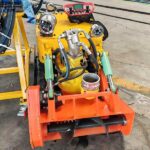
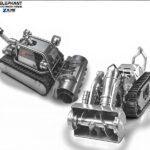
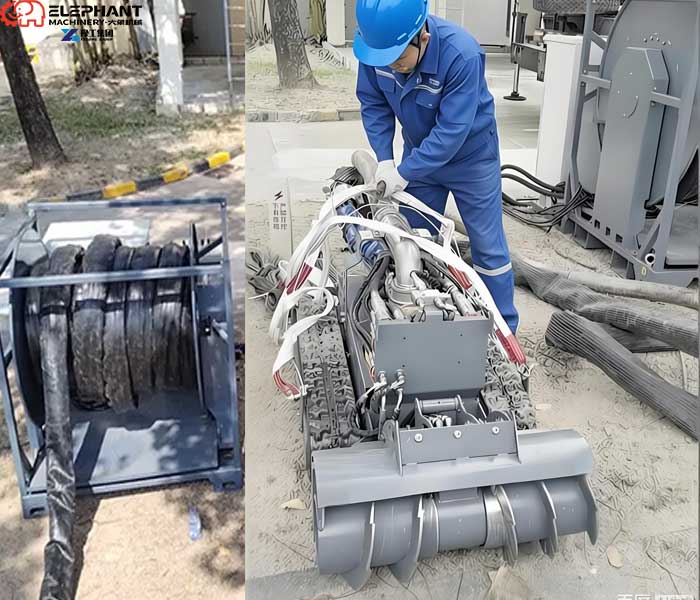
A sludge cleaning robot can operate directly inside wastewater ponds, allowing farms to remove accumulated sediment without requiring workers to enter hazardous areas.
Compared with traditional cleaning methods, robotic solutions can provide:
- Safer operation with remote control
- Reduced labor requirements
- Less dependence on pond draining
- Better cleaning efficiency for difficult sludge conditions
For farms looking for a safer and more efficient solution, a farm sludge cleaning robot can help improve wastewater management performance.
Benefits of Effective Sludge Management
Regular sludge removal helps livestock farms achieve better wastewater management.
Key benefits include:
Improved Pond Capacity
Removing accumulated sediment restores available wastewater storage volume.
Reduced Odor Issues
Lower sludge accumulation reduces anaerobic decomposition and odor generation.
Better Wastewater Treatment Performance
Reducing organic sludge load helps treatment systems operate more efficiently.
Improved Resource Utilization
Collected sludge can potentially be processed through:
- Organic fertilizer production
- Biogas systems
- Agricultural recycling programs

FAQ About Livestock Wastewater Sludge Removal
1.Can sludge be removed without draining a livestock wastewater pond?
Yes. Modern cleaning technologies allow farms to remove accumulated sludge while keeping water in the pond, helping reduce downtime and operational disruption.
2.How often should livestock wastewater ponds be cleaned?
Cleaning frequency depends on livestock density, wastewater volume, pond size, and sludge accumulation speed.
3.What is the best method for removing thick manure sludge from livestock wastewater ponds?
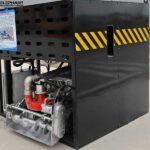
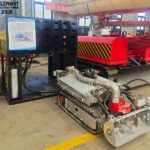
Thick and compact manure sludge requires equipment with strong suction and reliable transportation capability. Unlike standard water pumps, Elephant Machinery’s hydraulic remote sludge pumping system is designed for high-density sludge removal. It can effectively pump sticky manure sludge, transfer it over long distances to the required location, and minimize clogging issues in sludge pipelines, helping livestock farms achieve safer and more efficient wastewater management.
4.Can one cleaning system be used for multiple ponds?
Yes. Many farms use mobile cleaning equipment that can be transferred between different wastewater ponds.
Conclusion: Efficient Sludge Removal for Sustainable Livestock Farming
Accumulated sludge is one of the biggest challenges in livestock wastewater management. Traditional cleaning methods are often labor-intensive, unsafe, and inefficient for thick, long-term deposited sludge.
Modern robotic cleaning technology provides a safer and more effective way to remove sludge from livestock wastewater ponds.
With remote operation, powerful hydraulic pumping, crawler mobility, and customized configurations, sludge cleaning robots help farms improve wastewater management efficiency while reducing operational risks.
For livestock farms and agricultural wastewater systems, effective sludge removal is becoming an important solution for cleaner and more sustainable operations.