
Efficient Underwater Sediment Removal Without Draining the Pond
Pond sediment accumulation is a common challenge for landscape ponds, artificial ponds, aquaculture ponds, and water management projects. Over time, organic matter, mud, algae residues, and suspended particles settle at the bottom, causing water quality deterioration, reduced storage capacity, and increased maintenance costs.
Traditional pond cleaning methods often require draining the water, using excavators, or relying on manual labor. These methods can be disruptive, inefficient, and difficult to apply in ponds where continuous operation is required.
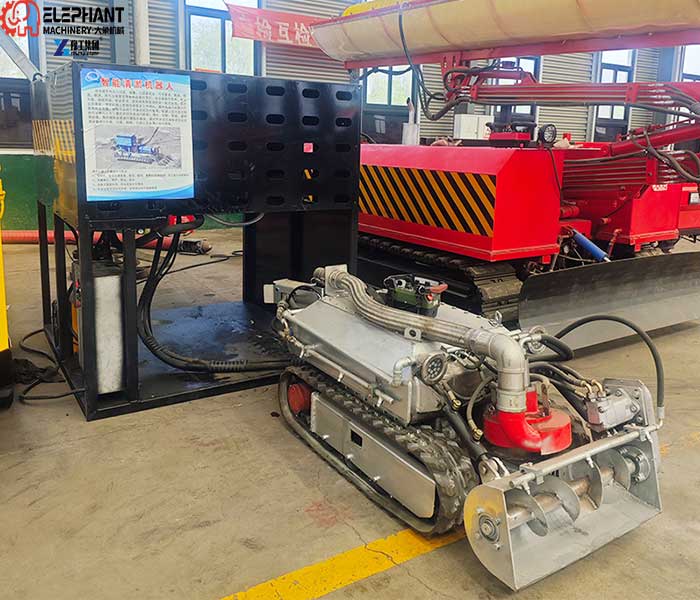
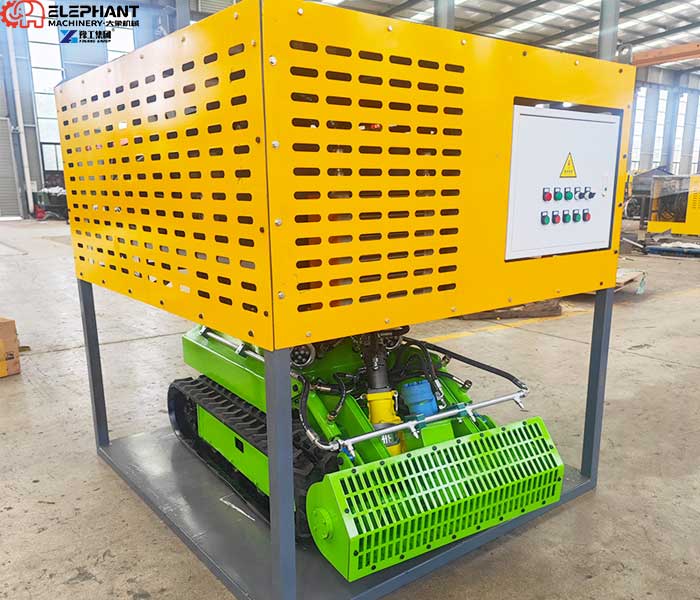
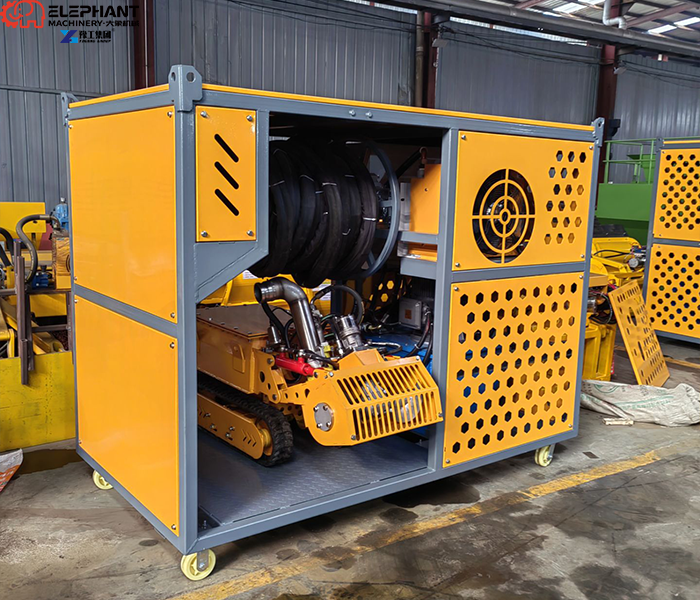
The pond dredging robot provides an advanced solution for underwater sediment removal. With remote-controlled operation, crawler mobility, hydraulic sediment breaking, and powerful suction capability, the system removes bottom sludge efficiently while minimizing environmental disturbance.
Pond Dredging Robot Parameters
| Parameter | YG450 | YG500 | YG600 | YG700 | YG800 | YG900 | YG1200 |
| Robot Dimensions (mm) | ≤1700 × 450 × 450 | 1500 × 500 × 650 | 1500 × 600 × 650 | 1600 × 700 × 650 | 1600 × 850 × 700 | 1650 × 960 × 750 | 1900 × 1200 × 750 |
| Applicable Manhole / Access | ≥600 mm opening | ≥600 mm opening | ≥600 mm opening | ≥700 mm opening | ≥800 mm opening | ≥900 mm opening | Large culvert / open access |
| Dredging Width (mm) | 450 | 500 | 600 | 700 | 800 | 900 | Suitable for large culverts |
| Travel Speed (m/s) | 3–12 | 3–15 | 3–15 | 3–15 | 3–15 | 3–15 | 0–17 m/min |
| Pump Diameter (inch) | 3 | 3 | 3 | 4 | 4 | 4 | 4 or 6 |
| Pump Flow (m³/h) | 50 | 100 | 100 | 160 | 160 | 200 | 250 |
| Pump Head (m) | 0-30 | 0–30 | 0–30 | 0–25 | 0–25 | 0–25 | 0–30 (Horizontal: 100–150 m) |
| Hydraulic Station Dimensions (mm) | 2000 × 1100 × 1500 (recommended) | 2200 × 1200 × 1700 | 2200 × 1200 × 1700 | 2200 × 1200 × 1700 | 2200 × 1200 × 1700 | 2200 × 1200 × 1700 | 2120 × 1240 × 1200 |
| Main Motor Power (kW) | 11–15 kW | 18 | 18 | 22 | 22 | 22 | 45 kW (50 kW) / Diesel 76 kW (123 kW) |
| Hydraulic System Pressure (MPa) | 0–16 | 0–16 | 0–16 | 0–16 | 0–16 | 0–16 | Custom / high-pressure system |
| Particle Size Capacity (mm) | ≤10–20 mm (soft sludge) | 15 | 15 | 40 | 40 | 50 | 0–40 (customizable) |
| Winch Speed (r/min) | 0–10 | 0–10 | 0–10 | 0–10 | 0–10 | 0–10 | 0–10 |
| Pipe Length (m) | 20–30 optional | 30–50 optional | 30–50 optional | 30–50 optional | 30–50 optional | 30–50 optional | 30 m/pack, high-pressure resistant |
| Control System | Wireless Remote Control | Wireless Remote | Wireless Remote | Wireless Remote | Wireless Remote | Wireless Remote | Wireless Remote |
| Lighting System | Underwater LED ×2 | Underwater LED ×2 | Underwater LED ×2 | Underwater LED ×2 | Underwater LED ×2 | Underwater LED ×2 | Underwater LED ×2 |
What Is a Pond Dredging Robot?
A pond dredging robot is an intelligent underwater cleaning system designed to remove accumulated sediment, sludge, and organic deposits from pond bottoms.
Unlike traditional surface cleaning equipment, the robot focuses on underwater sediment removal, directly targeting the material that accumulates at the bottom of ponds.
The system integrates:
- Remote-controlled crawler robot
- Hydraulic auger sediment breaking system
- High-efficiency suction pump
- Sludge transportation pipeline
- Monitoring and control system
By combining mechanical loosening and hydraulic suction, the robot converts compact sediment into pumpable slurry and transports it to a designated treatment or disposal area.
Why Do Ponds Need Sediment Removal?
Over years of operation, ponds naturally accumulate different types of deposits:
- Organic sludge from plants and algae
- Fine sediment carried by rainwater runoff
- Animal waste and biological residues
- Suspended particles from surrounding areas
Excessive sediment buildup may lead to:
- Poor Water Quality: Accumulated organic sludge can create anaerobic conditions and affect aquatic environments.
- Reduced Pond Capacity: Sediment gradually occupies water storage space and reduces the effective volume of the pond.
- Increased Maintenance Difficulty: Thick bottom deposits become harder to remove using conventional methods.
- Algae and Odor Problems: Nutrient-rich sediment can promote algae growth and affect the appearance of landscape water bodies.
Regular sediment management helps maintain healthier and more stable pond conditions.
How Does the Pond Dredging Robot Work?
The underwater pond dredging robot uses a multi-stage cleaning process to remove bottom sediment.
1. Remote-Controlled Underwater Operation
The operator controls the robot from the shore or working platform.
The crawler structure allows stable movement across:
- Soft mud bottoms
- Uneven pond surfaces
- Sediment-covered areas
This eliminates the need for workers to enter the pond.
2. Hydraulic Auger Breaks Compact Sediment
One of the main challenges in pond dredging is dealing with hardened sediment layers.
The hydraulic auger system helps:
- Break compact sludge
- Loosen bottom deposits
- Mix sediment with water
- Improve suction efficiency
This allows the robot to handle different sediment conditions, from soft organic sludge to more compact deposits.
3. Powerful Suction Removes Sediment
After sediment is loosened, the suction system transports the slurry through pipelines.
The dredging process can remove:
- Bottom sludge
- Organic sediment
- Mud accumulation
- Fine sand deposits
The discharge distance and pipeline length can be customized according to project requirements.

Key Features of Elephant Machinery Pond Dredging Robot
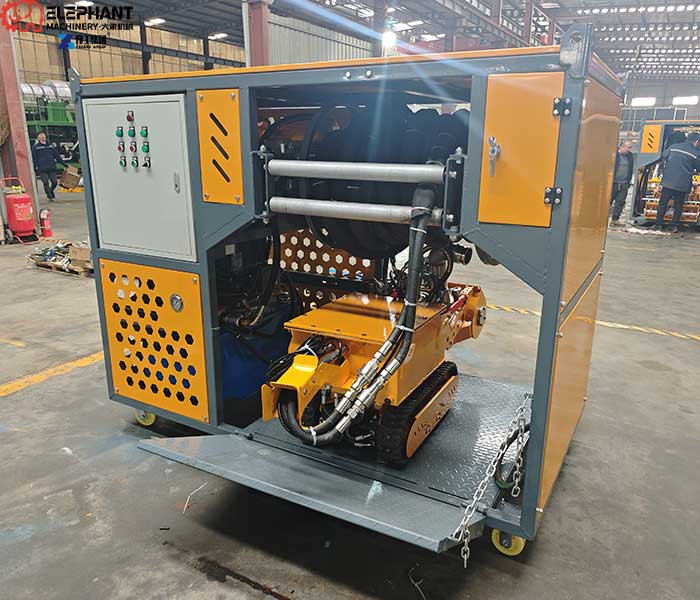
Remote-Controlled Operation for Safer Cleaning
The remote control design allows operators to perform pond sediment removal without entering muddy or potentially unsafe environments.
Benefits include:
- Reduced manual labor
- Improved operation safety
- Better working efficiency
Crawler Design for Stable Movement
Unlike floating cleaning equipment that mainly operates on the water surface, the pond dredging robot works directly on the pond bottom.
The crawler system provides:
- Strong ground contact
- Stable movement on soft sediment
- Reduced risk of sinking
Hydraulic Auger and Suction Integration
The combination of:
- Hydraulic cutting
- Sediment mixing
- Sludge suction
creates an efficient bottom cleaning process.
This design is especially suitable for ponds with long-term sediment accumulation.
Flexible Sludge Transportation System
The extracted sludge can be transported through customized pipelines to:
- Sludge collection areas
- Vacuum trucks
- Treatment facilities
Pipeline length and pump configuration can be adjusted according to site conditions.

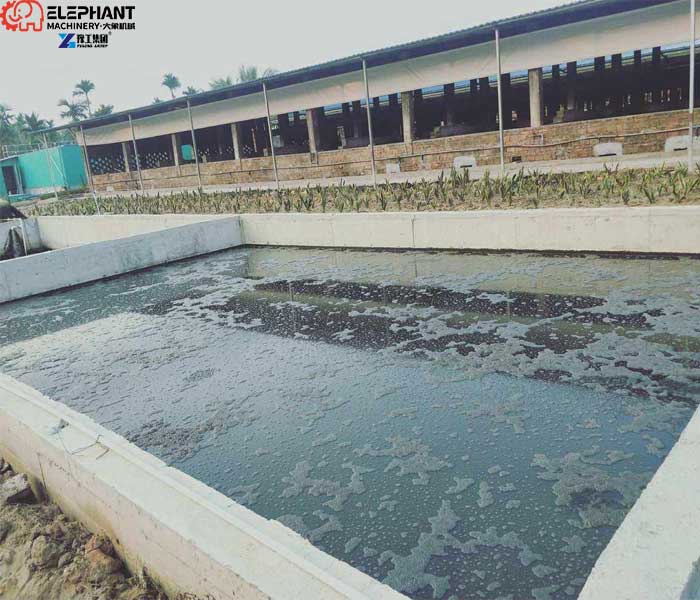
Applications of Pond Dredging Robot
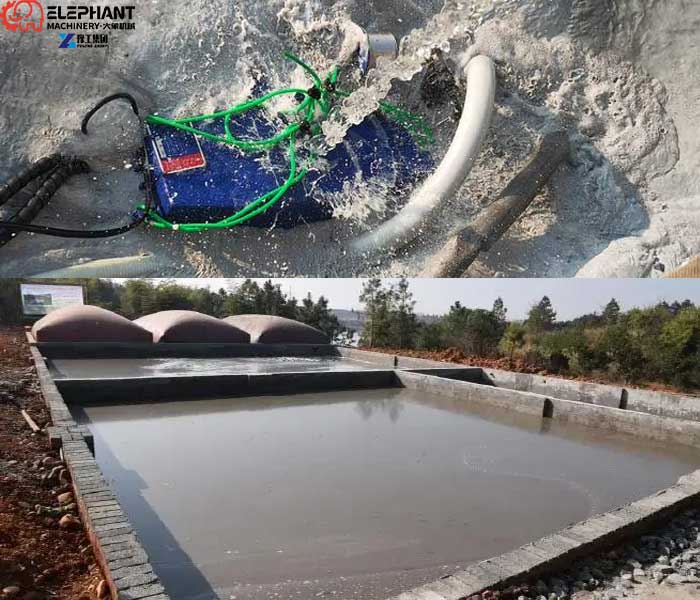
The pond dredging robot is designed for underwater sludge and sediment removal in various water management and industrial applications. With remote operation, crawler mobility, and powerful suction capability, it removes bottom deposits without draining the pond.
Wastewater Treatment Ponds
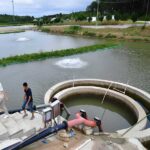
The robot removes accumulated sludge, organic matter, and suspended solids from sewage ponds, sedimentation basins, and wastewater storage ponds, helping maintain treatment efficiency with minimal operation disruption.
Oxidation Ponds and Waste Stabilization Lagoons
For long-term wastewater treatment systems, the dredging robot efficiently removes organic sludge and bottom sediment to restore pond capacity and improve treatment performance.
Livestock Wastewater Ponds
Suitable for dairy farm wastewater ponds, manure lagoons, and agricultural wastewater ponds, the robot provides a safer solution for removing deep sludge layers and organic deposits.
Industrial Sedimentation Ponds
The system helps clean industrial ponds by removing settled solids, process sludge, and fine particles with customized pumping capacity and discharge pipelines.
Artificial Lakes and Landscape Ponds
The pond dredging robot removes mud, organic deposits, and sediment from artificial lakes, park ponds, and landscape water bodies without complete drainage, helping improve water quality and maintain appearance.
Pond Dredging Robot vs Traditional Pond Cleaning Methods
| Water draining | Usually required | Not required |
| Manual operation | High labor demand | Remote controlled |
| Environmental disturbance | Higher | Lower |
| Access limitation | Difficult in some ponds | Flexible underwater operation |
| Sediment transportation | Additional equipment needed | Integrated suction system |
The robotic solution provides a more efficient alternative for projects requiring continuous operation and reduced disruption.
Customized Pond Dredging Solutions
Every pond has different conditions, including:
- Pond size
- Sediment thickness
- Sludge characteristics
- Transportation distance
- Working environment
Elephant Machinery provides customized configurations based on project requirements.
Customization options include:
- Robot model selection
- Pump capacity adjustment
- Pipeline length
- Sediment handling system
- Remote monitoring configuration
Whether it is a small landscape pond or a larger artificial water body, the system can be adapted for efficient sediment removal.
Related Pond Sediment Removal Projects
Elephant Machinery has provided robotic dredging solutions for different pond applications, including:
Park Pond Sediment Removal Project in Chile
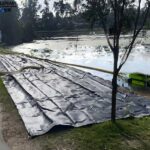
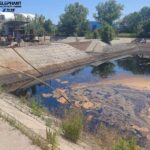
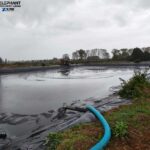
A customized pond sediment removal robot solution was used to remove accumulated bottom sediment from a landscape pond without draining the water.
Why Choose Elephant Machinery Pond Dredging Robot?
Elephant Machinery focuses on developing practical underwater dredging solutions for global customers.
Advantages include:
- Professional engineering team
- Customized equipment design
- Factory-direct manufacturing
- Remote-controlled operation technology
- Reliable sludge removal performance
- Global project experience
From pond sediment removal to large-scale water management projects, Elephant Machinery provides complete robotic dredging solutions.
FAQ About Pond Dredging Robot
1. Can a pond dredging robot work without draining the pond?
Yes. The robot operates underwater and removes sediment directly from the pond bottom without requiring complete drainage.
2. What type of sediment can the robot remove?
It can remove:
- Organic sludge
- Mud deposits
- Sediment accumulation
- Soft and semi-compacted sludge
For harder sediment layers, the hydraulic auger helps break and loosen the material.
3. Is the pond dredging robot suitable for aquaculture ponds?
Yes. For aquaculture applications, specialized models are available for shrimp ponds and fish ponds.
4. How far can the sludge be transported?
The discharge distance depends on pump configuration, pipeline length, and site conditions. Customized solutions are available.
5. Can the robot be customized?
Yes. The system can be customized according to pond size, sediment conditions, and project requirements.
Conclusion
The pond dredging robot provides a modern solution for underwater sediment removal in landscape ponds, artificial lakes, and water management projects.
By combining remote-controlled operation, crawler mobility, hydraulic sediment breaking, and powerful suction technology, the system removes bottom sludge efficiently without draining the pond.
For customers looking for a safer, more efficient, and environmentally friendly pond sediment removal solution, Elephant Machinery provides customized robotic dredging systems designed for different pond conditions.