Remote-Controlled Robot for Removing Sludge from Biogas Digesters
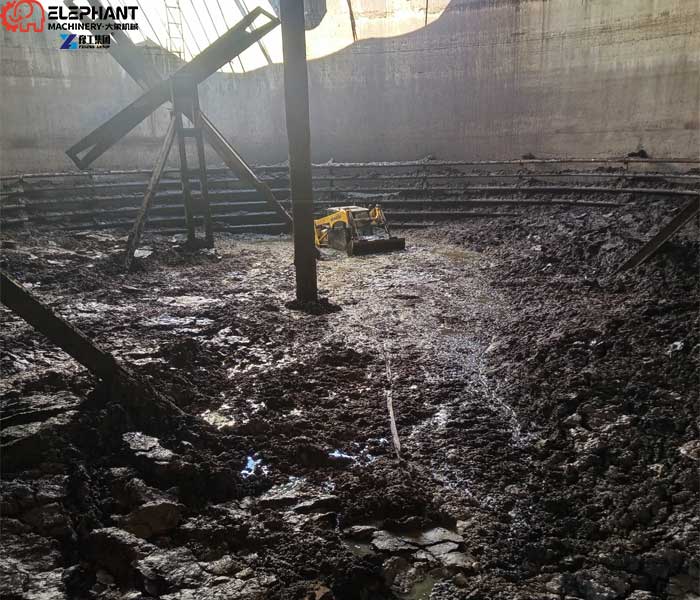
Biogas digesters play an important role in renewable energy production by converting organic waste, manure slurry, and agricultural residues into biogas. However, during long-term operation, heavy solids, sand particles, and organic sediment can gradually accumulate at the bottom of the digester tank.
These deposits may reduce the effective working volume, affect mixing efficiency, and increase maintenance difficulties.
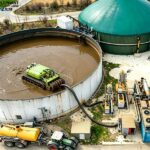
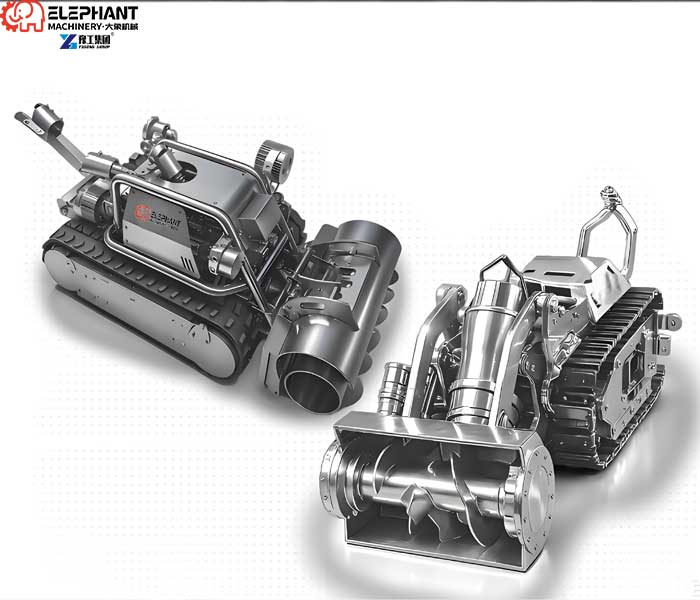
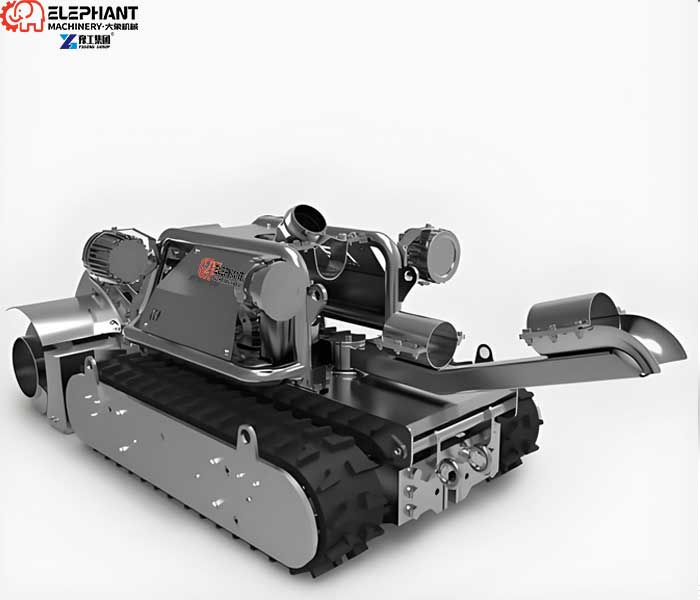
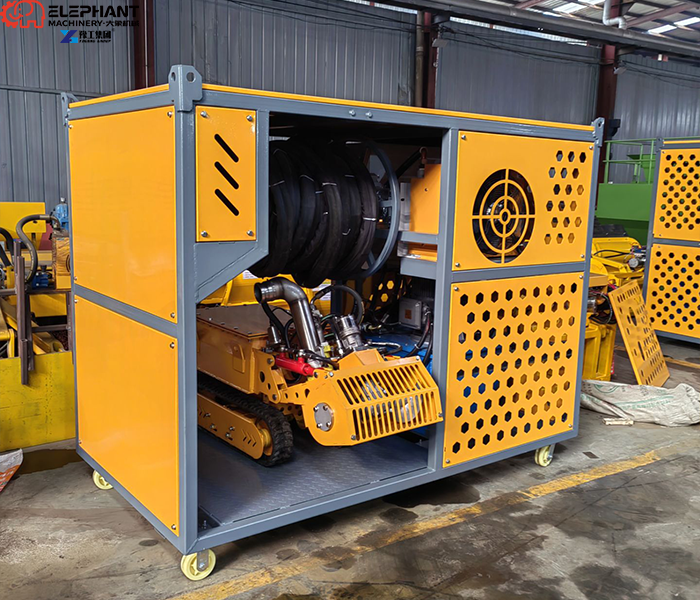
Our Biogas Digester Cleaning Robot provides an automated solution for removing accumulated sludge from anaerobic digesters without requiring workers to enter hazardous confined spaces.
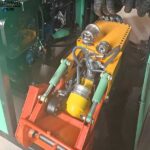
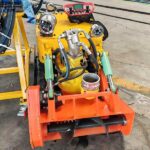
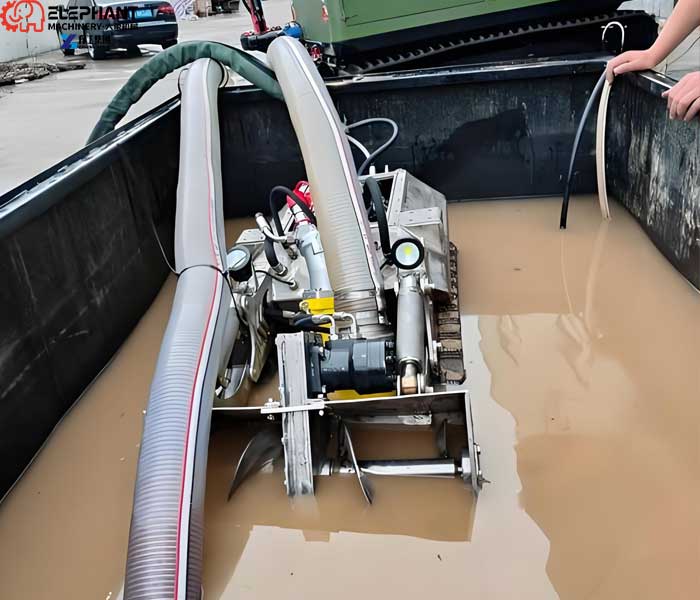
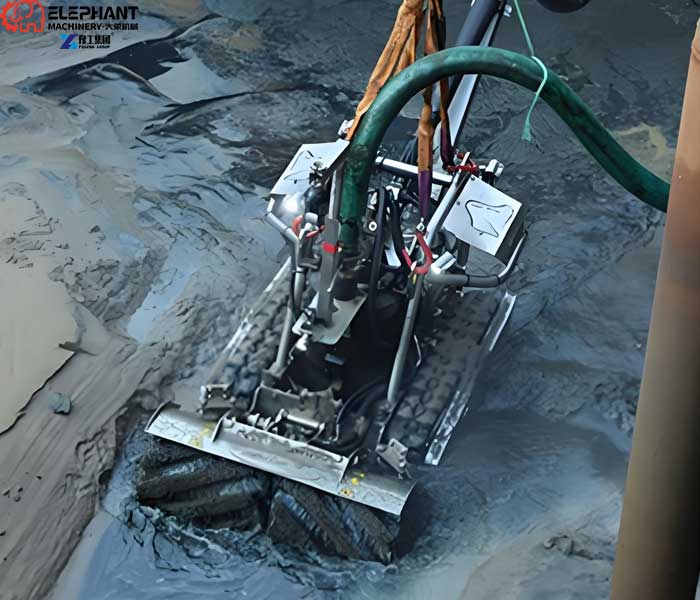
Equipped with a crawler driving system, sludge-cutting auger, and high-capacity pumping system, the robot can move inside the digester, loosen compact sediment, and transport sludge outside through a discharge pipeline.
This robotic cleaning solution helps biogas plants, agricultural digesters, and wastewater facilities improve maintenance efficiency while reducing operational risks.
Biogas Digester Cleaning Robot Parameters
| Parameter | YG450 | YG500 | YG600 | YG700 | YG800 | YG900 | YG1200 |
| Robot Dimensions (mm) | ≤1700 × 450 × 450 | 1500 × 500 × 650 | 1500 × 600 × 650 | 1600 × 700 × 650 | 1600 × 850 × 700 | 1650 × 960 × 750 | 1900 × 1200 × 750 |
| Applicable Manhole / Access | ≥600 mm opening | ≥600 mm opening | ≥600 mm opening | ≥700 mm opening | ≥800 mm opening | ≥900 mm opening | Large culvert / open access |
| Dredging Width (mm) | 450 | 500 | 600 | 700 | 800 | 900 | Suitable for large culverts |
| Travel Speed (m/s) | 3–12 | 3–15 | 3–15 | 3–15 | 3–15 | 3–15 | 0–17 m/min |
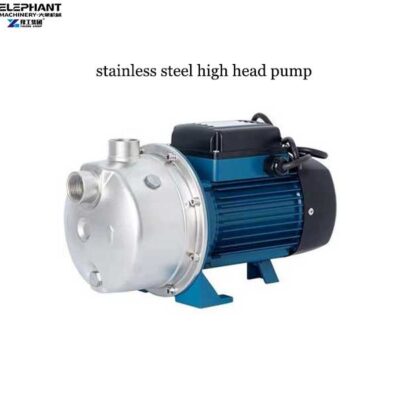
| Pump Diameter (inch) | 3 | 3 | 3 | 4 | 4 | 4 | 4 or 6 |
| Pump Flow (m³/h) | 50 | 100 | 100 | 160 | 160 | 200 | 250 |
| Pump Head (m) | 0-30 | 0–30 | 0–30 | 0–25 | 0–25 | 0–25 | 0–30 (Horizontal: 100–150 m) |
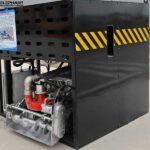
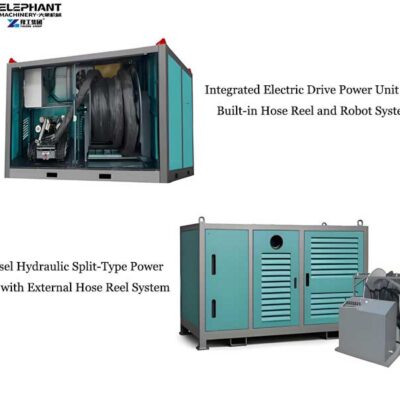
| Hydraulic Station Dimensions (mm) | 2000 × 1100 × 1500 (recommended) | 2200 × 1200 × 1700 | 2200 × 1200 × 1700 | 2200 × 1200 × 1700 | 2200 × 1200 × 1700 | 2200 × 1200 × 1700 | 2120 × 1240 × 1200 |
| Main Motor Power (kW) | 11–15 kW | 18 | 18 | 22 | 22 | 22 | 45 kW (50 kW) / Diesel 76 kW (123 kW) |
| Hydraulic System Pressure (MPa) | 0–16 | 0–16 | 0–16 | 0–16 | 0–16 | 0–16 | Custom / high-pressure system |
| Particle Size Capacity (mm) | ≤10–20 mm (soft sludge) | 15 | 15 | 40 | 40 | 50 | 0–40 (customizable) |
| Winch Speed (r/min) | 0–10 | 0–10 | 0–10 | 0–10 | 0–10 | 0–10 | 0–10 |
| Pipe Length (m) | 20–30 optional | 30–50 optional | 30–50 optional | 30–50 optional | 30–50 optional | 30–50 optional | 30 m/pack, high-pressure resistant |
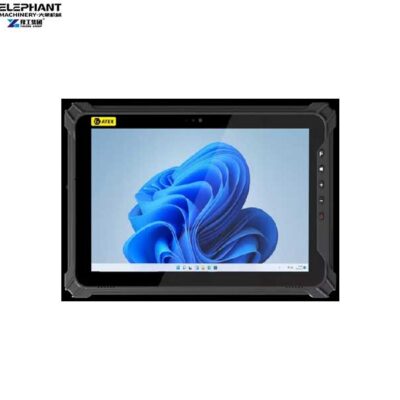
| Control System | Wireless Remote Control | Wireless Remote | Wireless Remote | Wireless Remote | Wireless Remote | Wireless Remote | Wireless Remote |
| Lighting System | Underwater LED ×2 | Underwater LED ×2 | Underwater LED ×2 | Underwater LED ×2 | Underwater LED ×2 | Underwater LED ×2 | Underwater LED ×2 |
Why Do Biogas Digesters Need Regular Cleaning?
During anaerobic digestion, different materials behave differently inside the tank.
Light organic materials remain suspended or float, while heavier particles gradually settle at the bottom.
Over time, the bottom layer may contain:
- Manure slurry sediment
- Sand and grit particles
- Organic solids
- Inert materials from feedstock
Continuous accumulation can create several problems:
Reduced Digester Capacity
Sediment buildup occupies valuable tank space and reduces the effective volume available for digestion.
Poor Mixing Performance
Heavy sludge layers can affect internal circulation and make it harder to maintain uniform digestion conditions.
Increased Maintenance Costs
Without proper cleaning, excessive sediment accumulation may require costly shutdowns and manual intervention.
Regular anaerobic digestion tank cleaning is important for maintaining effective tank volume and stable digestion performance.
Challenges of Traditional Anaerobic Digester Cleaning
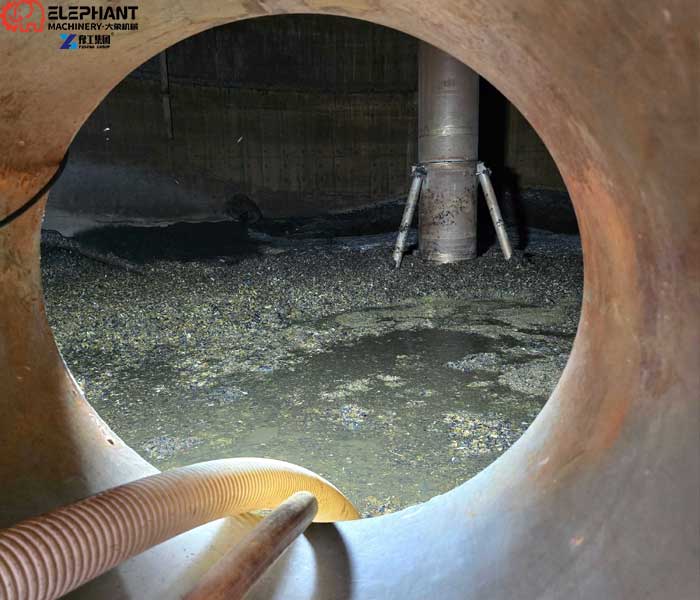
Cleaning anaerobic digesters is difficult because these tanks usually have:
- Large internal spaces
- Limited access openings
- Confined working environments
- Hazardous gas conditions
Traditional methods often require:
Complete Tank Emptying
The digester needs to stop operation and remove stored materials before cleaning.
This may result in:
- Production interruption
- Additional labor
- Long preparation time
Manual Entry Cleaning
Entering an anaerobic digester requires strict safety procedures because the environment may contain:
- Methane
- Hydrogen sulfide
- Low oxygen areas
A remote-controlled robotic system reduces the need for human entry.
Ordinary Pumps Cannot Handle Thick Sediment
Bottom sludge inside digesters is usually dense and difficult to pump directly.
A specialized sludge removal system is required to break and transport compact deposits.
How Does the Biogas Digester Cleaning Robot Work?
Our Biogas Digester Cleaning Robot integrates several technologies to handle difficult sludge conditions. As an anaerobic digester sludge removal robot, the system combines crawler mobility, sludge cutting, and pumping technology to handle difficult sediment conditions inside digestion tanks.
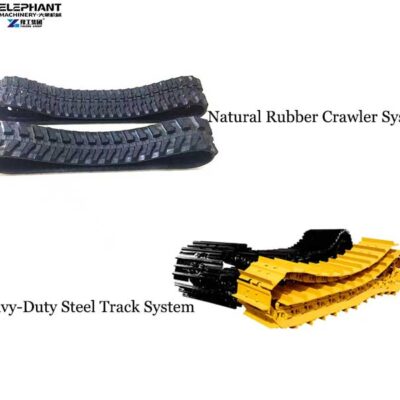
1. Remote-Controlled Crawler System
The crawler structure allows the robot to move steadily across uneven and sludge-covered surfaces.
Advantages:
- Stable operation inside tanks
- Suitable for confined spaces
- Remote-controlled cleaning process
- Reduced manual operation risks
The crawler design provides better ground contact compared with wheeled equipment, especially in soft sediment environments.
2. Sludge Cutting and Mixing Auger
Accumulated sludge at the bottom of a digester can become compact over time.
The front auger system helps:
- Break hardened sludge layers
- Loosen settled sediment
- Improve pumping efficiency
- Reduce pipeline blockage risks
This process allows the pumping system to handle thicker anaerobic digester sludge.
3. High-Capacity Sludge Pumping System
After the sludge is loosened, the material is transported through a discharge pipeline.
The pumping system can be customized according to:
- Sludge characteristics
- Digester size
- Required discharge distance
- Project conditions
The system is suitable for removing:
- Organic sludge
- Manure sediment
- Agricultural waste deposits
- Anaerobic digestion tank sludge
The complete biogas sludge removal system combines sludge loosening, pumping, and pipeline transportation for efficient sediment removal.
Main Advantages of Our Biogas Digester Cleaning Robot
Our robotic sludge cleaning system provides a safer alternative to traditional manual cleaning methods.
No Need for Full Digester Shutdown
The robotic system reduces dependence on traditional cleaning methods that require extensive preparation and downtime.
Safer Alternative for Confined Space Cleaning
Operators can control the robot outside the digester, reducing exposure to hazardous environments.
Designed for Thick Organic Sludge
Unlike standard pumps, the system combines sludge breaking and pumping functions to handle difficult sediment conditions.
Flexible Configuration for Different Digesters
Every biogas project has different requirements.
We customize:
- Robot dimensions
- Pump capacity
- Pipeline length
- Control system
- Cleaning accessories
according to customer needs.
Applications of Biogas Digester Cleaning Robot
The robotic cleaning system can be used in various anaerobic digestion applications:
Agricultural Biogas Plants
Suitable for manure-based biogas systems requiring manure slurry sediment removal from digestion tanks:
- Cow manure
- Pig manure
- Poultry waste
- Agricultural organic materials
Farm Anaerobic Digestion Systems
Helps livestock farms maintain manure-based biogas systems and improve long-term operation stability.
Industrial Organic Waste Digesters
Suitable for facilities processing:
- Food waste
- Organic residues
- Wastewater treatment sludge
Wastewater Anaerobic Reactors
The system can also support sludge removal in anaerobic treatment tanks.
Technical Features of Our Robotic Digester Cleaning System
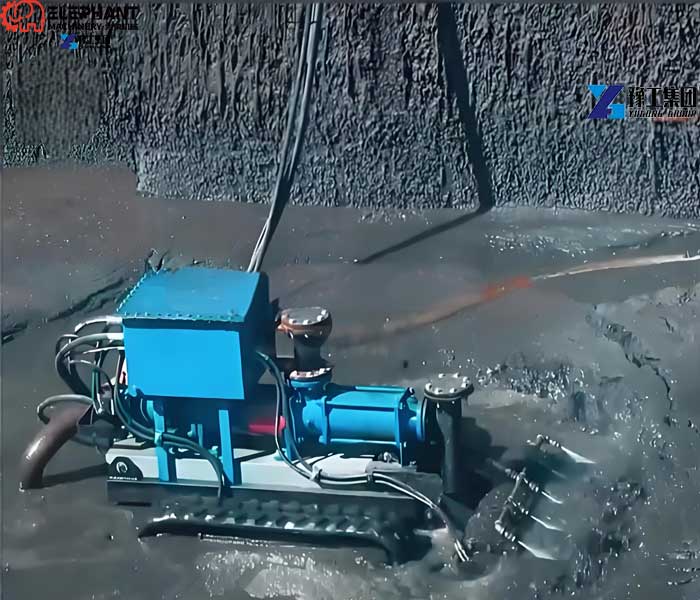
Typical configuration includes:
| Control Mode | Remote control operation |
| Moving System | Crawler track design |
| Cleaning Method | Auger loosening + sludge pumping |
| Application | Anaerobic digesters, biogas tanks, manure storage systems |
| Operation Environment | Confined and sludge-filled tanks |
| Customization | Available according to project requirements |
Why Choose Our Biogas Digester Cleaning Robot?
Professional Robotic Sludge Cleaning Manufacturer
We specialize in designing and manufacturing remote-controlled sludge removal equipment for challenging cleaning environments.
Our solutions cover:
- Agricultural sludge cleaning
- Biogas digester maintenance
- Industrial tank cleaning
- Wastewater sludge removal
Customized Engineering Support
Before production, our engineers evaluate:
- Tank structure
- Access opening size
- Sludge condition
- Pumping distance
- Customer operation requirements
Then we provide a suitable cleaning configuration.
Factory Direct Production
As a direct manufacturer, we provide:
- Customized equipment design
- Factory testing before shipment
- Technical support
- Spare parts service
Related Solutions
For broader agricultural sludge removal applications, explore:
Our farm sludge cleaning solutions are designed for:
- Manure storage tanks
- Slurry pits
- Livestock wastewater ponds
- Agricultural waste management systems
For specific manure storage applications: Manure Storage Tank Cleaning Robot

FAQ About Biogas Digester Cleaning Robot
What is a Biogas Digester Cleaning Robot?
A Biogas Digester Cleaning Robot is a remote-controlled machine designed to remove accumulated sludge and sediment from anaerobic digesters and biogas tanks.
Why do anaerobic digesters need cleaning?
During long-term operation, heavy solids and organic materials can settle at the bottom of digesters, reducing capacity and affecting operation efficiency.
Can the robot remove thick sludge?
Yes. The combination of an auger cutting system and high-capacity pump allows the robot to handle dense organic sludge and sediment.
Does the digester need to be emptied before cleaning?
No. The robot can operate inside the tank, reducing the need for complete draining and long shutdown periods.
Is this suitable for agricultural biogas plants?
Yes. The system is especially suitable for manure-based biogas plants on dairy farms, livestock farms, and renewable energy facilities.
Is this a biogas tank cleaning robot?
Yes. The machine can be used as a biogas tank cleaning robot for removing settled sludge and sediment from anaerobic tanks.
Conclusion
A Biogas Digester Cleaning Robot provides a safer and more efficient solution for removing accumulated sludge from anaerobic digesters.
By combining crawler mobility, remote control technology, sludge cutting, and high-capacity pumping, the robotic system helps biogas operators maintain their digestion systems with less downtime and improved safety.
For biogas plants facing sediment accumulation problems, robotic digester cleaning technology offers a reliable solution for long-term maintenance.