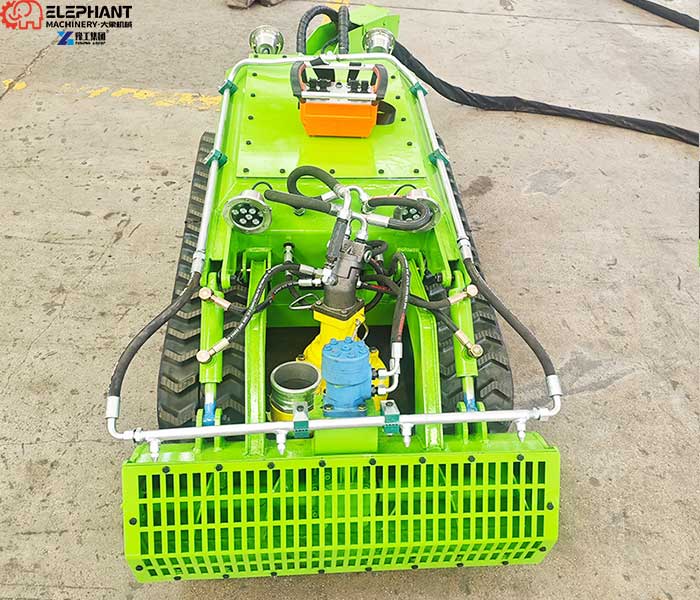
Industrial tanks often accumulate sludge, sediment, sand, and waste materials after years of operation. These deposits reduce tank capacity, affect production efficiency, and increase maintenance costs.
Traditional tank cleaning usually requires workers to enter confined spaces for manual removal. This process involves complex safety preparation, high labor costs, and potential risks from toxic gases or unstable sludge layers.
A Tank Cleaning Robot provides a safer and more efficient solution. By combining crawler mobility, hydraulic pumping, and remote control technology, the robot removes settled sludge without requiring workers to enter the tank.
YG Machinery designs advanced robotic cleaning solutions for various industrial applications, including oil storage tanks, wastewater tanks, biogas digesters, water treatment facilities, and process vessels.
The system allows operators to control the robot from outside the tank, significantly improving safety while reducing downtime and cleaning costs.
Tank Cleaning Robot Parameters
YG Machinery provides different models according to tank size, sludge thickness, and cleaning requirements.
| Parameter | YG450 | YG500 | YG600 | YG700 | YG800 | YG900 | YG1200 |
| Robot Dimensions (mm) | ≤1700 × 450 × 450 | 1500 × 500 × 650 | 1500 × 600 × 650 | 1600 × 700 × 650 | 1600 × 850 × 700 | 1650 × 960 × 750 | 1900 × 1200 × 750 |
| Applicable Manhole / Access | ≥600 mm opening | ≥600 mm opening | ≥600 mm opening | ≥700 mm opening | ≥800 mm opening | ≥900 mm opening | Large culvert / open access |
| Dredging Width (mm) | 450 | 500 | 600 | 700 | 800 | 900 | Suitable for large culverts |
| Travel Speed (m/s) | 3–12 | 3–15 | 3–15 | 3–15 | 3–15 | 3–15 | 0–17 m/min |
| Pump Diameter (inch) | 3 | 3 | 3 | 4 | 4 | 4 | 4 or 6 |
| Pump Flow (m³/h) | 50 | 100 | 100 | 160 | 160 | 200 | 250 |
| Pump Head (m) | 0-30 | 0–30 | 0–30 | 0–25 | 0–25 | 0–25 | 0–30 (Horizontal: 100–150 m) |
| Hydraulic Station Dimensions (mm) | 2000 × 1100 × 1500 (recommended) | 2200 × 1200 × 1700 | 2200 × 1200 × 1700 | 2200 × 1200 × 1700 | 2200 × 1200 × 1700 | 2200 × 1200 × 1700 | 2120 × 1240 × 1200 |
| Main Motor Power (kW) | 11–15 kW | 18 | 18 | 22 | 22 | 22 | 45 kW (50 kW) / Diesel 76 kW (123 kW) |
| Hydraulic System Pressure (MPa) | 0–16 | 0–16 | 0–16 | 0–16 | 0–16 | 0–16 | Custom / high-pressure system |
| Particle Size Capacity (mm) | ≤10–20 mm (soft sludge) | 15 | 15 | 40 | 40 | 50 | 0–40 (customizable) |
| Winch Speed (r/min) | 0–10 | 0–10 | 0–10 | 0–10 | 0–10 | 0–10 | 0–10 |
| Pipe Length (m) | 20–30 optional | 30–50 optional | 30–50 optional | 30–50 optional | 30–50 optional | 30–50 optional | 30 m/pack, high-pressure resistant |
| Control System | Wireless Remote Control | Wireless Remote | Wireless Remote | Wireless Remote | Wireless Remote | Wireless Remote | Wireless Remote |
| Lighting System | Underwater LED ×2 | Underwater LED ×2 | Underwater LED ×2 | Underwater LED ×2 | Underwater LED ×2 | Underwater LED ×2 | Underwater LED ×2 |
Customized options are available, including:
- Longer discharge hoses
- Higher pumping capacity
- Explosion-proof configurations
- Different crawler widths

What Is a Tank Cleaning Robot?
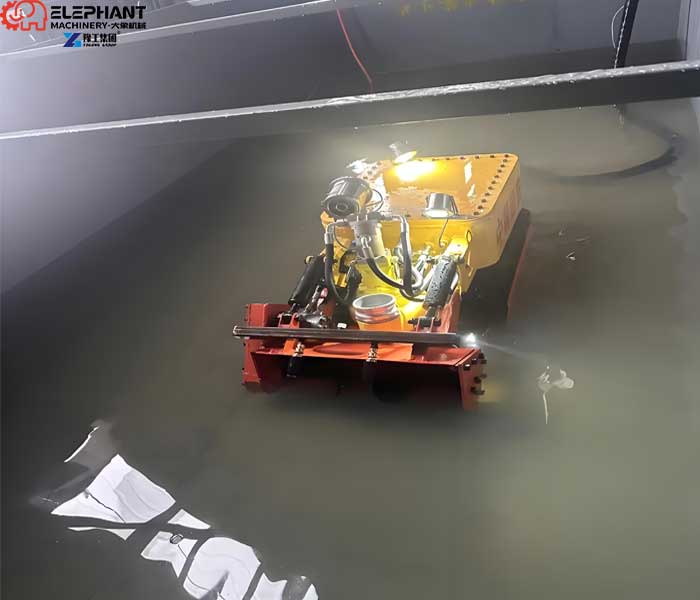
A Tank Cleaning Robot is a remote-controlled machine designed to remove accumulated sludge, sediment, and waste from industrial tanks without human entry.
Unlike traditional cleaning equipment that relies on manual labor or high-pressure washing only, a robotic tank cleaning system directly collects and pumps sludge from the tank bottom.
The complete system usually includes:
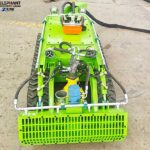
1.Crawler Robot Unit
The crawler structure allows the robot to move steadily across uneven and muddy tank floors.
Key advantages include:
- Stable operation in thick sludge
- Strong ground contact
- Ability to work underwater
- Access to confined tank spaces
The compact design allows the robot to enter through existing manholes without major modifications.
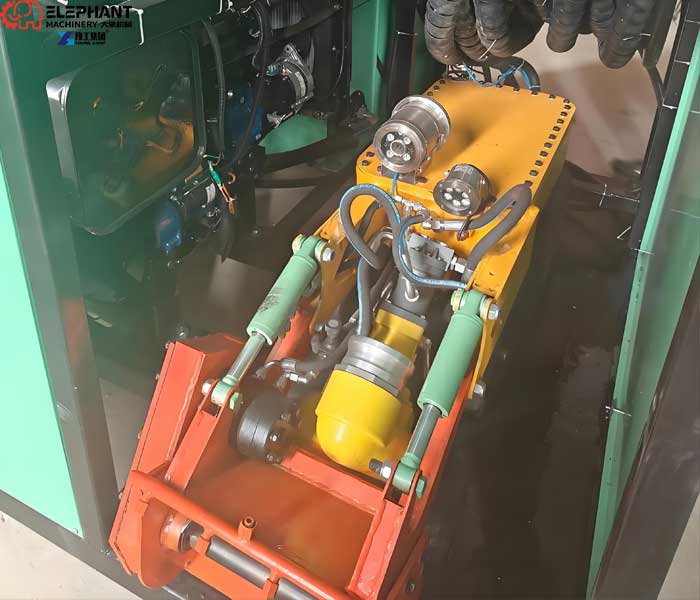
2.Hydraulic Sludge Pumping System
The hydraulic pumping system is the core component of the sludge removal robot.
It can handle:
- Thick sludge
- Organic sediment
- Sand deposits
- Industrial waste
- Slurry materials
The cutting and suction system loosens compact deposits and transports them through discharge hoses to external treatment equipment.
3.Remote Control System
The operator controls the robot from a safe position outside the tank.
The remote system allows:
- Forward and backward movement
- Direction adjustment
- Pump operation control
- Real-time cleaning management
This eliminates the need for workers to enter hazardous confined spaces.

How Does a Tank Cleaning Robot Work?
The working process of a robotic tank cleaning system is simple and efficient.
Step 1: Robot Enters the Tank Through the Manhole
Before cleaning, the robot is transported to the tank entrance.
Because of its compact structure, it can pass through standard access openings and enter tanks without complicated installation.
Step 2: The Robot Moves Across the Tank Bottom
The crawler tracks provide stable movement even when the tank contains soft sludge or uneven sediment.
During operation, the robot reaches areas that are difficult for manual workers to access.
Step 3: Sludge Is Loosened and Pumped Out
When the robot reaches accumulated deposits, the hydraulic system breaks up compact sludge and transfers it through the suction pipeline.
This combined cleaning method improves efficiency compared with simple vacuum suction.
Step 4: Waste Material Is Transported Outside the Tank
The removed sludge is discharged through hoses to:
- Sludge collection containers
- Vacuum trucks
- Wastewater treatment systems
The entire process is completed without human entry inside the tank.
Why Choose a Tank Cleaning Robot Instead of Manual Tank Cleaning?
Many industries are replacing traditional tank entry cleaning methods with robotic solutions.
1. Improve Confined Space Safety
Tank cleaning often involves dangerous environments, including:
- Toxic gases
- Oxygen deficiency
- Slippery sludge surfaces
- Limited visibility
A remote tank cleaning robot keeps workers outside the hazardous area.
Operators can complete cleaning tasks without entering the tank, reducing safety risks and simplifying maintenance procedures.
2. Reduce Cleaning Downtime
Manual tank cleaning often requires:
- Safety preparation
- Multiple workers
- Long cleaning periods
- Additional inspection procedures
A tank cleaning robot provides continuous operation and allows facilities to return tanks to service faster.
For industries where equipment downtime affects production, robotic cleaning can significantly improve operational efficiency.
3. Handle Difficult Sludge Conditions
Some tank deposits are too thick or heavy for conventional cleaning methods.
A sludge removal robot is suitable for:
- Thick oil sludge
- Wastewater sediment
- Digestate deposits
- Sand accumulation
- Industrial slurry
The powerful pumping system helps remove materials that are difficult to handle manually.
4. Reduce Labor and Maintenance Costs
Traditional tank cleaning requires large teams, protective equipment, and safety support.
A robotic cleaning system requires fewer operators and reduces:
- Labor expenses
- Cleaning preparation costs
- Waste handling costs
- Production interruption time
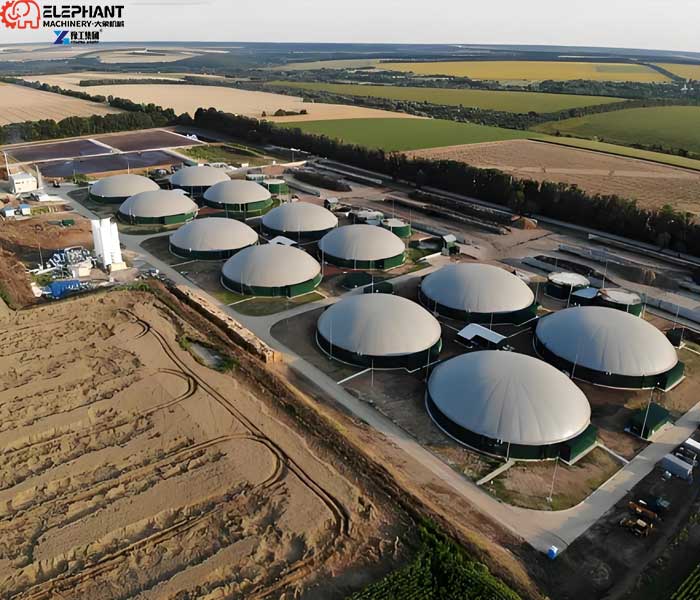
Applications of Tank Cleaning Robot
A Tank Cleaning Robot can be used in many industries where sludge accumulation affects operation efficiency.
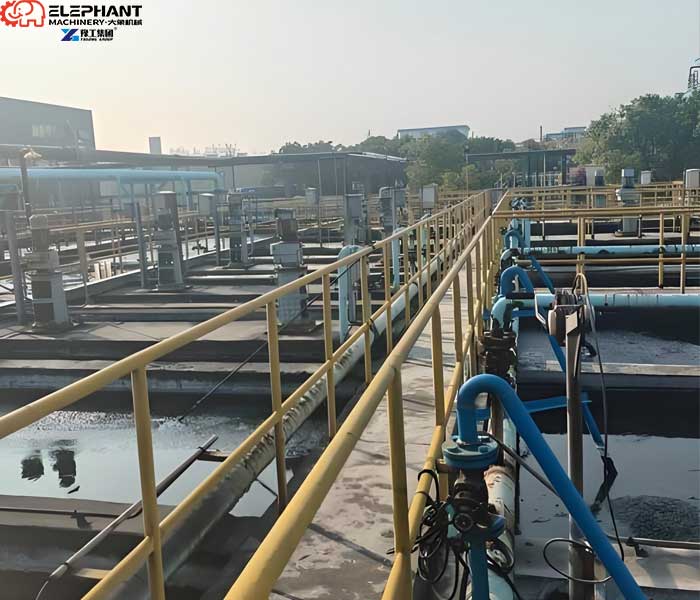
1.Wastewater Tank Cleaning
Wastewater treatment facilities frequently face sludge accumulation in:
- Clarification tanks
- Sedimentation tanks
- Sewage tanks
- Pump stations
A wastewate robotic sludge removal system provides continuous cleaning without draining the entire tank.
know more about sewage tank cleaning robot sold to uae
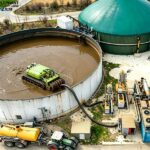
2.Biogas Digester Cleaning
Anaerobic digesters accumulate organic sediment and digestate sludge over time.
A tank cleaning robot can operate underwater and remove settled materials while maintaining safer working conditions.
Know more about Biogas Plant Sludge Removal Project in Denmark
3.Water Storage Tank Cleaning
Water tanks require regular maintenance to prevent sediment buildup.
A remote cleaning system helps remove deposits while minimizing manual intervention.
4.Industrial Process Tank Cleaning
Many manufacturing industries use tanks for:
- Chemical processing
- Food production
- Mining operations
- Material storage
A customized industrial tank cleaning robot can adapt to different tank sizes and sludge conditions.
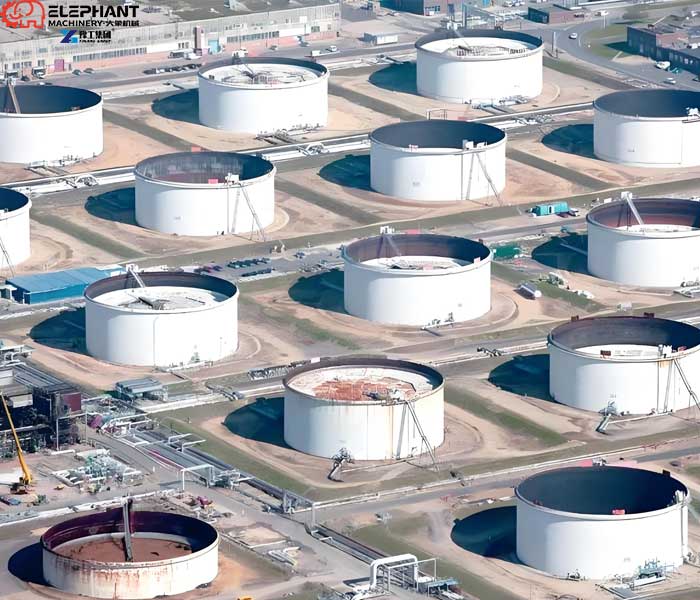
5.Oil Storage Tank Cleaning
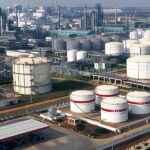
Oil storage tanks can accumulate heavy sludge from crude oil residues and sediment over time. For petroleum applications, an oil tank cleaning robot can help remove pumpable sludge remotely, subject to site conditions and equipment compatibility.
Tank Cleaning Robot vs Traditional Cleaning Methods
| Worker Entry | Required | Not required |
| Safety Risk | High | Low |
| Labor Requirement | Several workers | One operator |
| Operation Time | Limited | Continuous |
| Sludge Removal | Manual handling | Automated pumping |
| Application Range | Limited | Multiple industries |
A robotic tank cleaning system provides a modern alternative for companies looking to improve safety and efficiency.
How to Choose the Right Tank Cleaning Robot?
Choosing the correct model depends on several factors.
Tank Size
Large tanks require wider crawler systems and higher pumping capacity.
Sludge Type
Different materials require different cleaning configurations.
Examples:
- Oil sludge requires strong suction capability
- Sand deposits require higher wear resistance
- Organic sludge requires efficient pumping performance
Tank Access Size
The manhole diameter determines the suitable robot dimensions.
Required Pumping Distance
Longer discharge distances may require customized hose systems and stronger pumps.
Tank Cleaning Robot Price: What Factors Affect Cost?
The price of a Tank Cleaning Robot depends on the project requirements.
Main factors include:
Robot Model
Larger robots with higher capacity usually cost more.
Pump Capacity
Higher flow rates increase sludge removal efficiency.
Custom Features
Additional options may include:
- Explosion-proof motors
- Extended hoses
- Special materials
- Customized dimensions
For an accurate quotation, customers should provide:
- Tank diameter
- Tank depth
- Sludge thickness
- Material type
- Access opening size
YG engineers can recommend the most suitable robotic cleaning solution.


FAQ About Tank Cleaning Robot
1.What is a Tank Cleaning Robot used for?
A Tank Cleaning Robot is used to remove sludge, sediment, and waste materials from industrial tanks without requiring workers to enter confined spaces. It is widely used in oil tanks, wastewater tanks, digesters, and industrial process vessels.
2.Can a tank cleaning robot work underwater?
Yes. Many models are designed as underwater cleaning robots and can operate in submerged tanks, sewage facilities, and anaerobic digesters.
3.What types of sludge can the robot remove?
The robot can remove various materials, including:
- Thick sludge
- Oil residues
- Sand sediment
- Organic waste
- Industrial slurry
4.How many workers are needed to operate the robot?
Usually, one trained operator can control the system remotely from outside the tank.
5.Is a tank cleaning robot suitable for hazardous tanks?
Yes. The main advantage of a remote tank cleaning robot is reducing the need for human entry into dangerous confined spaces.
For special environments such as oil or chemical tanks, explosion-proof configurations can be customized.
6.How much does a tank cleaning robot cost?
The tank cleaning robot price depends on the model, pump capacity, tank conditions, and customization requirements.
Contact YG Machinery with your project details to receive a suitable quotation.
Get Your Tank Cleaning Robot Solution Today
Cleaning industrial tanks does not need to involve dangerous manual entry or long production interruptions.
A Tank Cleaning Robot provides a safer, faster, and more efficient way to remove sludge from different types of tanks.
YG Machinery offers reliable robotic cleaning systems with:
- Remote operation
- Strong sludge pumping capability
- Custom configurations
- Factory-direct support
Share your tank size, sludge condition, and cleaning requirements with our engineers. We will recommend the right robotic solution for your project.
Contact YG Machinery today for a customized Tank Cleaning Robot quotation.