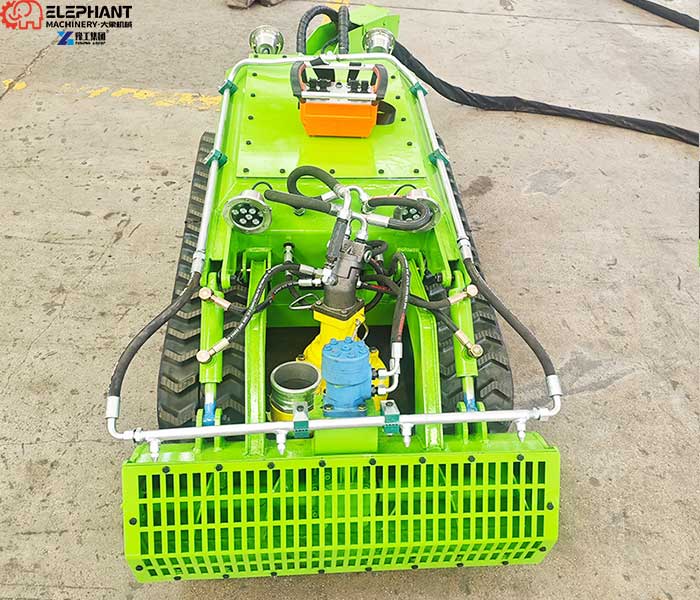
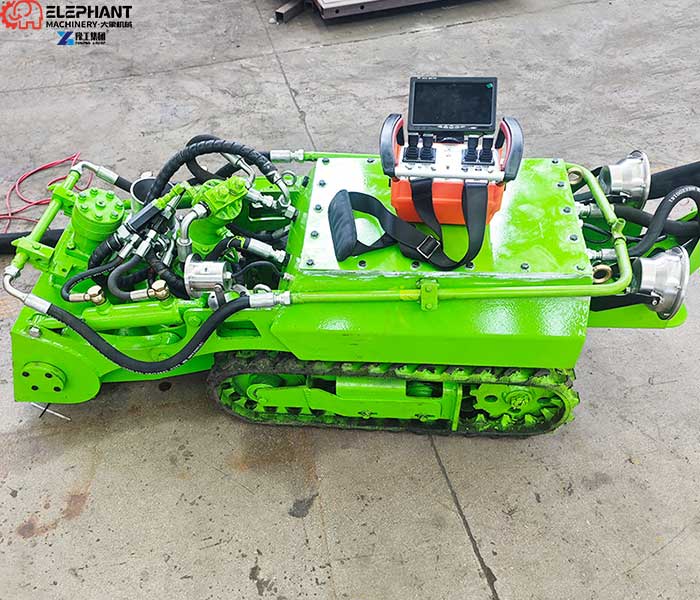
Slurry Tank Cleaning Robot for Mining, Wastewater and Industrial Applications
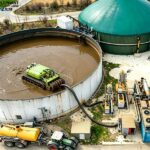
Slurry tanks are widely used in mining, mineral processing, wastewater treatment, and industrial production. Over time, heavy slurry, sediment, and solid particles gradually accumulate at the bottom of tanks, reducing storage capacity, affecting production efficiency, and increasing maintenance costs.
Traditional slurry cleaning methods often require workers to enter tanks or use large mechanical equipment, which can be dangerous, inefficient, and difficult in confined or contaminated environments.
The Slurry Tank Cleaning Robot provides a safer and smarter solution for removing accumulated slurry and sediment. With remote-controlled operation, powerful suction capability, and flexible mobility, the robotic system can efficiently clean challenging areas without requiring personnel to enter hazardous spaces.
Elephant Machinery develops customized slurry cleaning solutions for different tank sizes, sludge conditions, and industrial applications.
Slurry Tank Cleaning Robot Parameters
| Parameter | YG450 | YG500 | YG600 | YG700 | YG800 | YG900 | YG1200 |
| Robot Dimensions (mm) | ≤1700 × 450 × 450 | 1500 × 500 × 650 | 1500 × 600 × 650 | 1600 × 700 × 650 | 1600 × 850 × 700 | 1650 × 960 × 750 | 1900 × 1200 × 750 |
| Applicable Manhole / Access | ≥600 mm opening | ≥600 mm opening | ≥600 mm opening | ≥700 mm opening | ≥800 mm opening | ≥900 mm opening | Large culvert / open access |
| Dredging Width (mm) | 450 | 500 | 600 | 700 | 800 | 900 | Suitable for large culverts |
| Travel Speed (m/s) | 3–12 | 3–15 | 3–15 | 3–15 | 3–15 | 3–15 | 0–17 m/min |
| Pump Diameter (inch) | 3 | 3 | 3 | 4 | 4 | 4 | 4 or 6 |
| Pump Flow (m³/h) | 50 | 100 | 100 | 160 | 160 | 200 | 250 |
| Pump Head (m) | 0-30 | 0–30 | 0–30 | 0–25 | 0–25 | 0–25 | 0–30 (Horizontal: 100–150 m) |
| Hydraulic Station Dimensions (mm) | 2000 × 1100 × 1500 (recommended) | 2200 × 1200 × 1700 | 2200 × 1200 × 1700 | 2200 × 1200 × 1700 | 2200 × 1200 × 1700 | 2200 × 1200 × 1700 | 2120 × 1240 × 1200 |
| Main Motor Power (kW) | 11–15 kW | 18 | 18 | 22 | 22 | 22 | 45 kW (50 kW) / Diesel 76 kW (123 kW) |
| Hydraulic System Pressure (MPa) | 0–16 | 0–16 | 0–16 | 0–16 | 0–16 | 0–16 | Custom / high-pressure system |
| Particle Size Capacity (mm) | ≤10–20 mm (soft sludge) | 15 | 15 | 40 | 40 | 50 | 0–40 (customizable) |
| Winch Speed (r/min) | 0–10 | 0–10 | 0–10 | 0–10 | 0–10 | 0–10 | 0–10 |
| Pipe Length (m) | 20–30 optional | 30–50 optional | 30–50 optional | 30–50 optional | 30–50 optional | 30–50 optional | 30 m/pack, high-pressure resistant |
| Control System | Wireless Remote Control | Wireless Remote | Wireless Remote | Wireless Remote | Wireless Remote | Wireless Remote | Wireless Remote |
| Lighting System | Underwater LED ×2 | Underwater LED ×2 | Underwater LED ×2 | Underwater LED ×2 | Underwater LED ×2 | Underwater LED ×2 | Underwater LED ×2 |
What Is a Slurry Tank Cleaning Robot?
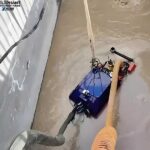
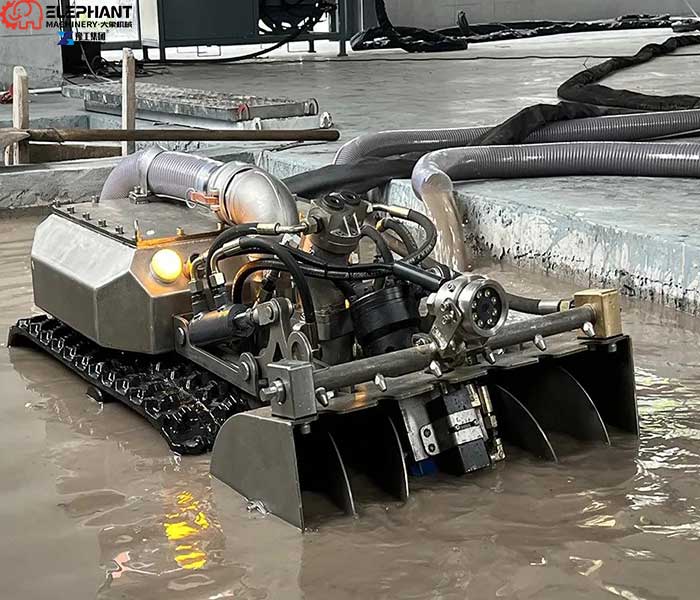
A Slurry Tank Cleaning Robot is a remote-controlled robotic system designed to remove settled slurry, sludge, and sediment from industrial tanks, ponds, and confined environments.
Unlike traditional cleaning methods, the robot can operate directly inside the working area while operators control the equipment from a safe distance.
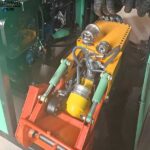
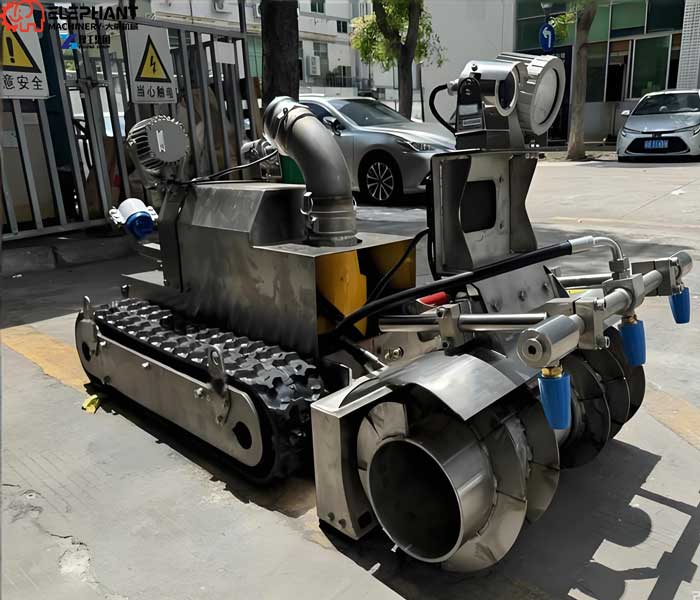
The system typically integrates:
- Crawler-type walking mechanism
- High-torque driving system
- Sludge cutting and stirring device
- Powerful suction pump
- Slurry transportation pipeline
- Remote control system
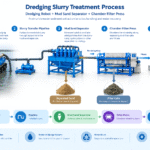
During operation, the robot loosens hardened slurry deposits, mixes the sediment into a pumpable condition, and transports the slurry outside the tank through a discharge pipeline.
This makes it an ideal solution for locations where manual cleaning is difficult or unsafe.
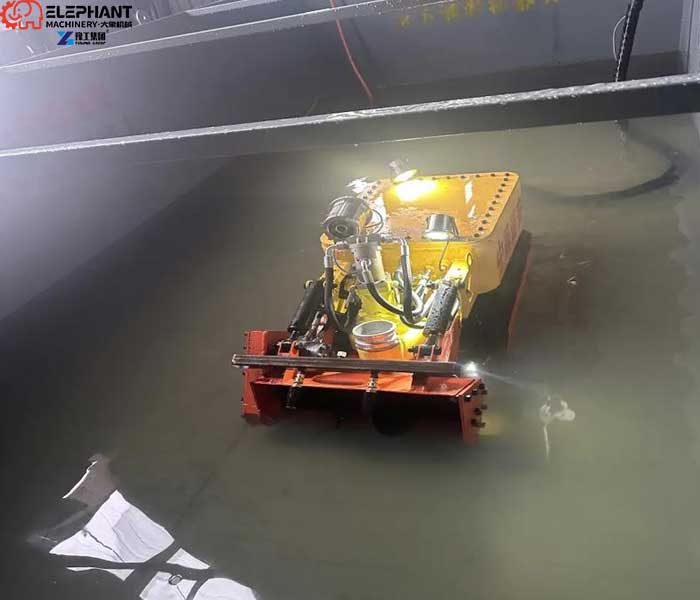
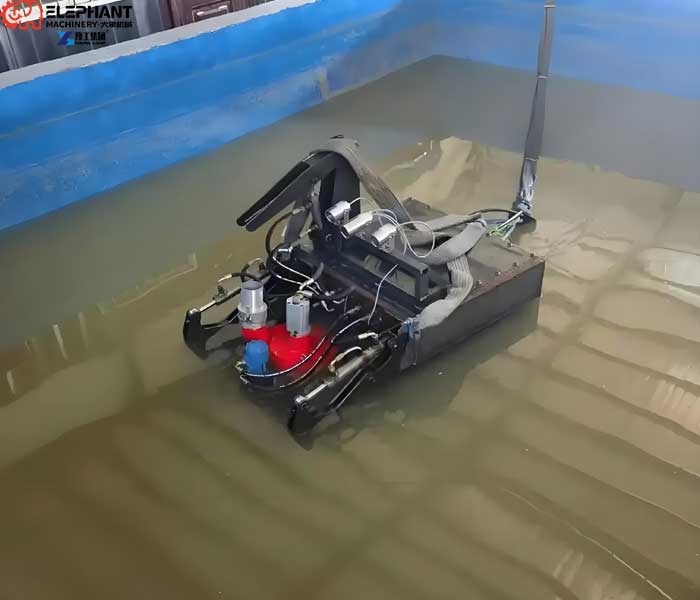
Slurry Handling Principle for High-Density Slurry Removal
High-density slurry containing mineral particles, sand, and solid residues is difficult to remove using conventional pumping systems. The Slurry Tank Cleaning Robot combines mechanical agitation, suction and pipeline transportation to efficiently handle these challenging materials.
The working principle of the Slurry Tank Cleaning Robot is based on three main processes:
1. Slurry Loosening and Agitation
High-density slurry often becomes compact after long-term settlement.
The robot uses a front-mounted cutting or agitation mechanism to disturb settled materials and mix solid particles with surrounding liquid.
This process transforms hard deposits into a pumpable slurry mixture.
2. Slurry Collection and Suction
After the slurry is loosened, the high-performance suction system collects the mixture from the tank bottom.
The suction system is designed to handle:
- High solid concentration slurry
- Mineral particles
- Heavy sediment
- Industrial residues
The powerful suction capability allows the robot to continuously remove accumulated materials during operation.
3. Slurry Transportation and Discharge
The collected slurry is transported through a discharge pipeline to an external collection area or treatment system.
The complete process includes:
Slurry loosening → Mixing → Suction → Pipeline transportation → External discharge
This integrated slurry handling process improves cleaning efficiency and reduces the need for manual intervention.
Why Choose a Robotic Slurry Cleaning Solution?
1. No Human Entry Required
Many slurry tanks and industrial cleaning environments involve safety risks, including:
- Toxic gases
- Oxygen deficiency
- Slippery surfaces
- Confined space hazards
- Heavy sludge accumulation
Traditional manual cleaning requires workers to enter the tank, increasing operational risks.
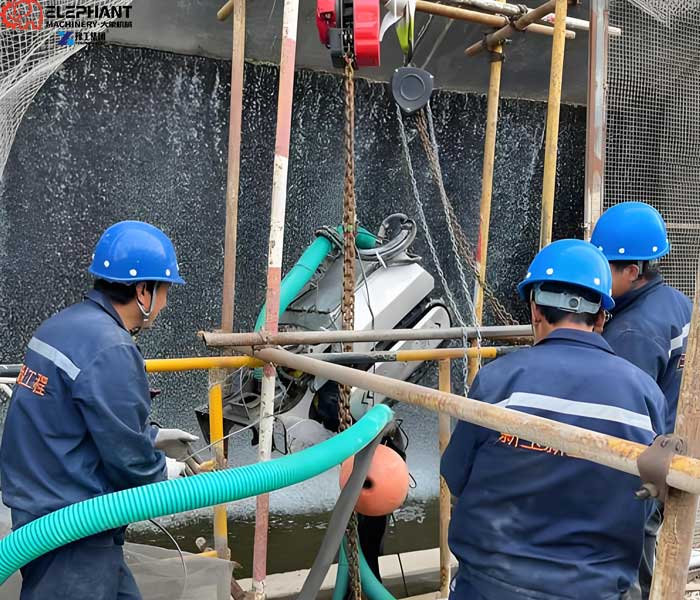
The Remote-Controlled Cleaning Robot allows operators to complete cleaning tasks from outside the working area, significantly improving safety and reducing labor requirements.
2. Efficient Removal of Heavy Slurry and Sediment
Slurry deposits can become compacted over time, making them difficult to remove using conventional pumping methods.
The Slurry Removal Robot uses a powerful cleaning system to:
- Break up hardened deposits
- Stir high-density slurry
- Prevent pipeline blockage
- Improve suction efficiency
- Transport sludge continuously
Whether dealing with mineral slurry, industrial sediment, or wastewater sludge, the robotic system provides a reliable cleaning solution.
3. Access Difficult and Confined Areas
Many tanks and underground structures have limited access points, making traditional equipment unsuitable.
The compact structure of the Confined Space Cleaning Robot allows it to work in:
- Narrow tank entrances
- Underground spaces
- Wastewater facilities
- Industrial reservoirs
- Difficult-to-access cleaning areas
Customized dimensions can be provided according to different project requirements.
Applications of Slurry Tank Cleaning Robot
The Slurry Tank Cleaning Robot is designed for various industries where slurry and sediment removal is required.
1.Mining Slurry Tank Cleaning
Mining operations generate large amounts of mineral slurry during extraction and processing.
Over time, mining slurry tanks may accumulate:
- Mineral particles
- Fine sand
- Ore residues
- Heavy sediment
These deposits can reduce tank capacity and affect processing efficiency.
The Mining Slurry Tank Cleaning Robot provides an efficient solution for mineral processing facilities, helping remove settled slurry without requiring workers to enter tanks.
Typical applications include:
- Ore processing tanks
- Mineral separation facilities
- Concentrate storage tanks
- Tailings management systems
- Mining wastewater treatment areas
With strong mobility and high-density slurry handling capability, the robotic system helps mining companies improve maintenance efficiency and reduce operational risks.
2.Wastewater Treatment Plants
Wastewater facilities frequently experience sludge accumulation in:
- Sedimentation tanks
- Sludge ponds
- Clarifier tanks
- Treatment basins
The Slurry Cleaning Robot provides an efficient alternative to manual sludge removal, helping maintain wastewater treatment performance.
3.Industrial Tank Cleaning
Industrial production facilities may use tanks for storing or processing different materials.
The Industrial Tank Cleaning Robot can be applied in:
- Chemical processing tanks
- Industrial wastewater tanks
- Storage reservoirs
- Production-related sedimentation tanks
Customized configurations are available according to material characteristics and operating environments.
4.Tailings Pond and Sediment Removal Projects
Tailings facilities often contain large volumes of fine mineral particles mixed with water, creating difficult cleaning conditions.
Sediment accumulation in tailings ponds and slurry storage areas can reduce available capacity and increase maintenance requirements.
A robotic slurry removal solution helps operators manage:
- Tailings sediment accumulation
- Mineral slurry deposits
- Difficult-access areas
- Environmental maintenance challenges
Compared with large dredging equipment, the compact robotic system can provide more flexible operation in areas where access is limited.

Key Features of Elephant Slurry Tank Cleaning Robot
Compact and Flexible Design
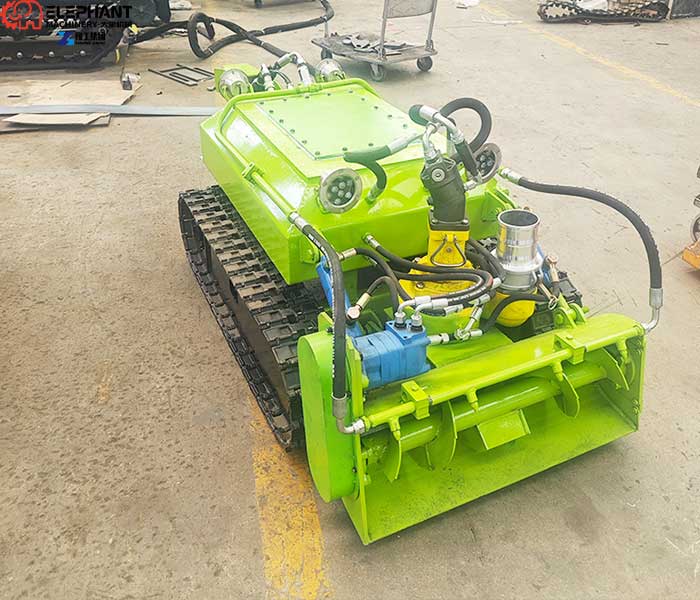
Different models are available for different working conditions:
- Compact robots for narrow spaces
- Medium models for general sludge removal
- Heavy-duty models for large-scale projects
Powerful Slurry Suction System
The integrated pumping system is designed for:
- High-density sludge
- Heavy sediment
- Industrial slurry
The customized pump capacity can meet different project requirements.
Remote Operation for Improved Safety
The remote-control system allows operators to manage:
- Robot movement
- Cleaning process
- Equipment operation
without entering dangerous environments.
Customized Solutions Available
Every slurry cleaning project is different.
Elephant Machinery can customize solutions based on:
- Tank size
- Access opening
- Slurry characteristics
- Cleaning depth
- Discharge distance
Technical Advantages Compared with Traditional Cleaning Methods
| Requires workers entering tanks | No human entry required |
| High safety risks | Remote operation |
| Limited working time | Continuous operation |
| Difficult in confined spaces | Designed for narrow areas |
| High labor cost | Reduced manpower requirements |
| Large equipment limitations | Flexible robotic operation |
Why Choose Elephant Machinery?
Elephant Machinery specializes in robotic dredging and sludge removal solutions for global customers.
Our advantages include:
✔ Customized robotic cleaning solutions
✔ Factory-direct manufacturing
✔ Professional engineering support
✔ Solutions for different industries
✔ Experience in wastewater, mining, and industrial applications
From slurry tanks and wastewater facilities to mining environments and confined spaces, Elephant Machinery provides reliable robotic solutions for challenging cleaning projects.
FAQ About Slurry Tank Cleaning Robot
1. Can the slurry tank cleaning robot handle high-density mining slurry?
Yes. The robot is designed for challenging slurry conditions, including mineral slurry, high-density sediment, and industrial solid-liquid mixtures.
The actual configuration can be customized according to slurry concentration, particle size, and project requirements.
2. Can the slurry cleaning robot work in confined spaces?
Yes. The robot is designed for difficult-access environments and can be customized according to entrance size and working conditions.
3. Does the operator need to enter the tank?
No. The robot is operated remotely, allowing cleaning operations to be completed without personnel entering hazardous areas.
4. Can the robot be customized for different tanks?
Yes. Elephant Machinery provides customized solutions based on:
- Tank dimensions
- Slurry type
- Cleaning requirements
- Pipeline distance
Contact Elephant Machinery for Your Slurry Cleaning Solution
If your facility faces challenges with slurry accumulation, sediment buildup, or difficult cleaning conditions, the Slurry Tank Cleaning Robot provides a safer and more efficient alternative.
Contact Elephant Machinery today to discuss your project requirements and get a customized robotic slurry removal solution.