Remote-Controlled Sludge Removal Solution for Rural Wastewater Treatment Facilities Facing Sediment Accumulation and Maintenance Challenges
Project Background
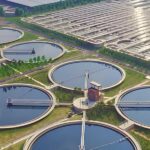
A rural wastewater treatment facility in Japan had been operating an oxidation pond system for many years to provide stable wastewater treatment for the local community.
Over long-term operation, organic sludge, suspended solids, and sediment gradually accumulated at the bottom of the oxidation pond. The increasing sludge layer reduced the effective treatment volume and affected the overall performance of the wastewater treatment process.
The facility needed a reliable method to remove settled sludge while keeping the wastewater treatment system running normally. However, traditional cleaning methods created several challenges, including high labor requirements, long maintenance periods, and safety concerns associated with working in a wastewater environment.
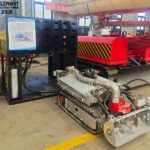
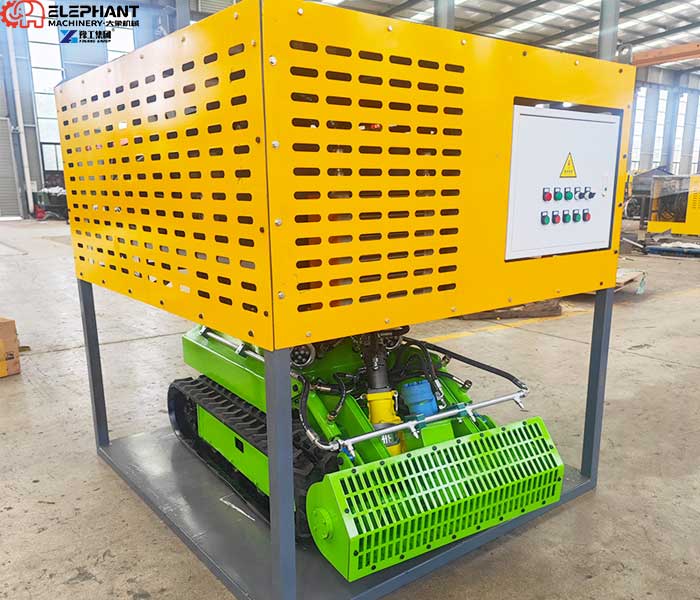
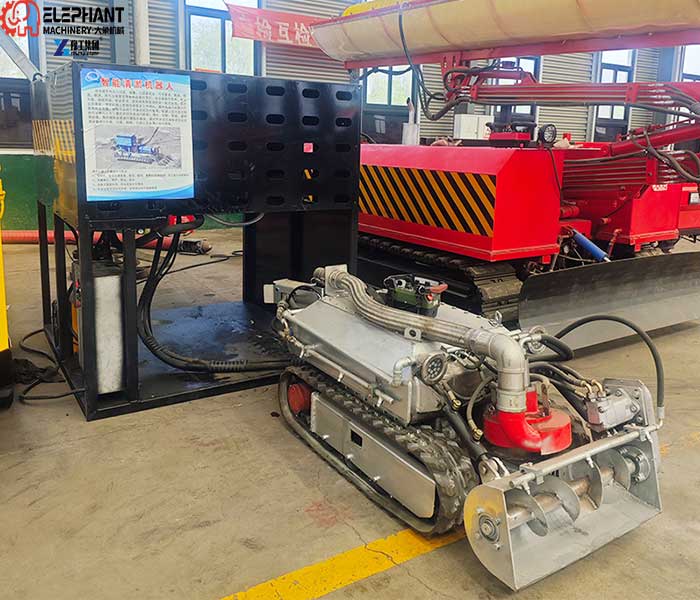
To solve these challenges, the facility introduced an Oxidation Pond Dredging Robot — a remote-controlled sludge removal solution designed for efficient underwater sediment cleaning without draining the pond.
Oxidation Pond Dredging Robot Parameters
| Parameter | YG450 | YG500 | YG600 | YG700 | YG800 | YG900 | YG1200 |
| Robot Dimensions (mm) | ≤1700 × 450 × 450 | 1500 × 500 × 650 | 1500 × 600 × 650 | 1600 × 700 × 650 | 1600 × 850 × 700 | 1650 × 960 × 750 | 1900 × 1200 × 750 |
| Applicable Manhole / Access | ≥600 mm opening | ≥600 mm opening | ≥600 mm opening | ≥700 mm opening | ≥800 mm opening | ≥900 mm opening | Large culvert / open access |
| Dredging Width (mm) | 450 | 500 | 600 | 700 | 800 | 900 | Suitable for large culverts |
| Travel Speed (m/s) | 3–12 | 3–15 | 3–15 | 3–15 | 3–15 | 3–15 | 0–17 m/min |
| Pump Diameter (inch) | 3 | 3 | 3 | 4 | 4 | 4 | 4 or 6 |
| Pump Flow (m³/h) | 50 | 100 | 100 | 160 | 160 | 200 | 250 |
| Pump Head (m) | 0-30 | 0–30 | 0–30 | 0–25 | 0–25 | 0–25 | 0–30 (Horizontal: 100–150 m) |
| Hydraulic Station Dimensions (mm) | 2000 × 1100 × 1500 (recommended) | 2200 × 1200 × 1700 | 2200 × 1200 × 1700 | 2200 × 1200 × 1700 | 2200 × 1200 × 1700 | 2200 × 1200 × 1700 | 2120 × 1240 × 1200 |
| Main Motor Power (kW) | 11–15 kW | 18 | 18 | 22 | 22 | 22 | 45 kW (50 kW) / Diesel 76 kW (123 kW) |
| Hydraulic System Pressure (MPa) | 0–16 | 0–16 | 0–16 | 0–16 | 0–16 | 0–16 | Custom / high-pressure system |
| Particle Size Capacity (mm) | ≤10–20 mm (soft sludge) | 15 | 15 | 40 | 40 | 50 | 0–40 (customizable) |
| Winch Speed (r/min) | 0–10 | 0–10 | 0–10 | 0–10 | 0–10 | 0–10 | 0–10 |
| Pipe Length (m) | 20–30 optional | 30–50 optional | 30–50 optional | 30–50 optional | 30–50 optional | 30–50 optional | 30 m/pack, high-pressure resistant |
| Control System | Wireless Remote Control | Wireless Remote | Wireless Remote | Wireless Remote | Wireless Remote | Wireless Remote | Wireless Remote |
| Lighting System | Underwater LED ×2 | Underwater LED ×2 | Underwater LED ×2 | Underwater LED ×2 | Underwater LED ×2 | Underwater LED ×2 | Underwater LED ×2 |
Get the Right Model for Your Project
Project Challenges
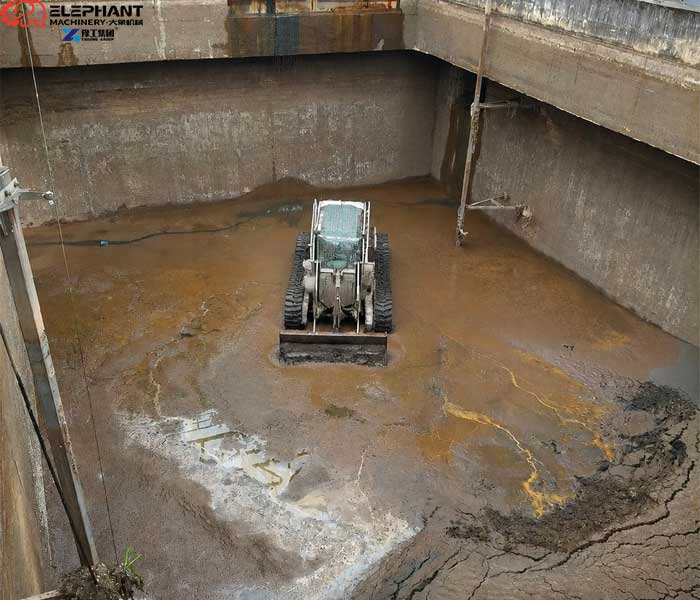
After years of operation, the oxidation pond had accumulated a large amount of sludge, including organic sediment and suspended solids. The sludge buildup reduced the effective treatment capacity and affected wastewater treatment efficiency.
Traditional sludge removal methods were difficult to apply because pond draining would interrupt operations, while manual cleaning involved high labor costs and potential safety risks.
The facility needed an efficient oxidation pond sludge removal solution that could clean accumulated sludge without stopping normal wastewater treatment processes.
Solution: Oxidation Pond Dredging Robot
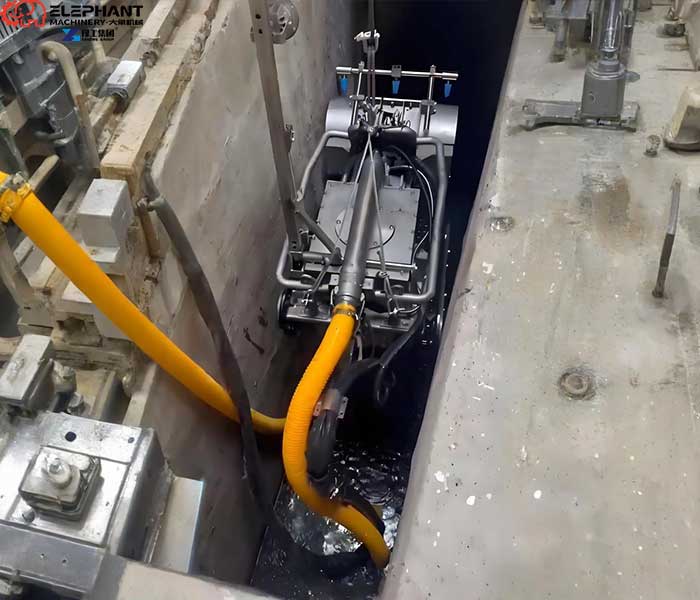
To address these challenges, the facility selected a remote-controlled Oxidation Pond Dredging Robot for underwater sludge removal.
The robotic system allowed operators to complete cleaning operations from a safe location without draining the oxidation pond or stopping wastewater treatment activities.
The solution focused on three key requirements:
- Efficient removal of accumulated sludge
- Reduced manual labor requirements
- Safer maintenance operations
How the Robotic Sludge Removal Process Worked?
Remote-Controlled Operation for Safer Maintenance
The operator controlled the dredging robot remotely during the cleaning process.
This allowed the maintenance team to:
- Monitor the operation in real time
- Adjust the robot’s movement according to pond conditions
- Avoid direct contact with accumulated sludge
The remote-control design was especially valuable for facilities seeking safer wastewater maintenance methods.
Stable Movement on Soft Sludge Layers
The oxidation pond contained areas with soft sediment and uneven bottom conditions.
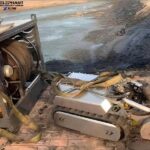
The robot’s crawler system enabled stable movement across the pond surface, allowing it to reach sediment accumulation areas that were difficult to access using conventional equipment.
The tracked structure helped maintain working stability during underwater sludge removal operations.
Efficient Sludge Extraction and Transportation
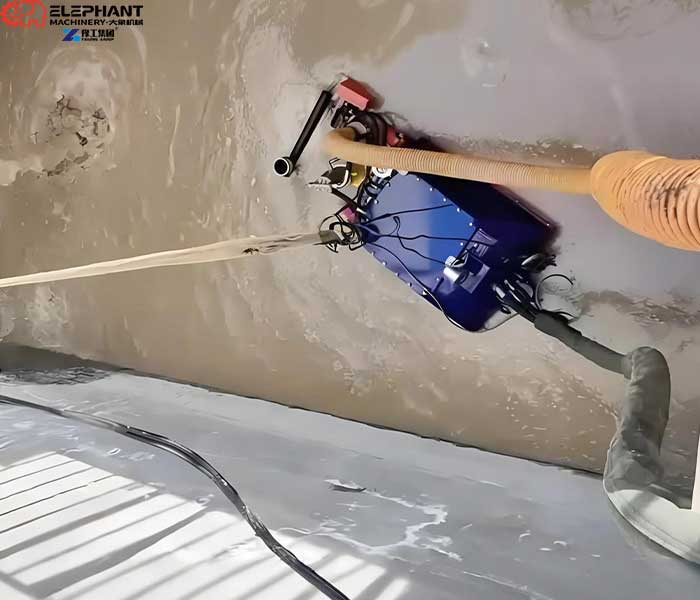
During operation, the dredging robot loosened accumulated sludge and transported the material through a suction pipeline to the designated discharge area.
The cleaning process effectively removed:
- Settled sludge
- Organic sediment
- Wastewater solids
This helped restore available pond capacity and improve long-term maintenance conditions.
Project Results
After implementing the oxidation pond dredging robot solution, the wastewater facility achieved several improvements.
Reduced Maintenance Disruption
The facility was able to perform sludge removal without completely draining the oxidation pond.
This minimized interruptions to normal wastewater treatment operations.
Improved Sludge Management Efficiency
The robotic system provided a more efficient approach for managing long-term sediment accumulation compared with traditional manual cleaning methods.
The facility gained better control over routine sludge removal requirements.
Lower Dependence on Manual Labor
By replacing difficult manual cleaning tasks with remote-controlled operation, the facility reduced labor demands and improved operational safety.
Extended Service Life of the Oxidation Pond
Regular sediment removal helped maintain the effective capacity of the treatment pond and supported stable wastewater treatment performance.
Customer Feedback
After completing the project, the facility team recognized several advantages of using a robotic sludge removal solution.
The customer highlighted that the most valuable improvements were:
1. Safer cleaning operations
The remote-controlled system reduced the need for personnel to work directly in the wastewater environment.
2. Easier maintenance planning
The facility could perform sludge removal according to actual sediment conditions instead of waiting for serious capacity reduction problems.
3. Better adaptation to existing infrastructure
The dredging robot worked with the existing oxidation pond system without requiring major reconstruction or shutdown.
The customer considered the solution an effective approach for improving long-term wastewater facility maintenance.
Why This Oxidation Pond Dredging Robot Project Matters?
Many rural wastewater treatment facilities face similar challenges:
- Aging oxidation ponds
- Increasing sludge accumulation
- Limited maintenance resources
- Difficulty using large cleaning equipment
This Japan project demonstrates how robotic technology can provide a practical solution for modern wastewater sludge management.
Instead of relying on disruptive cleaning methods, facilities can adopt a safer and more efficient approach through remote-controlled underwater sludge removal.
Conclusion
The Oxidation Pond Dredging Robot Project in Japan successfully addressed the challenges of long-term sludge accumulation in a rural wastewater treatment facility.
By using remote-controlled robotic cleaning technology, the facility achieved more efficient sludge removal while reducing maintenance disruption and improving worker safety.
For wastewater facilities facing sediment buildup in oxidation ponds, stabilization ponds, or similar treatment systems, an intelligent dredging robot provides a reliable solution for sustainable sludge management.
Elephant Dredging continues to provide customized wastewater sludge removal solutions for municipal and industrial customers worldwide.