Industry Overview: Challenges in Municipal Sewer and Drainage Maintenance
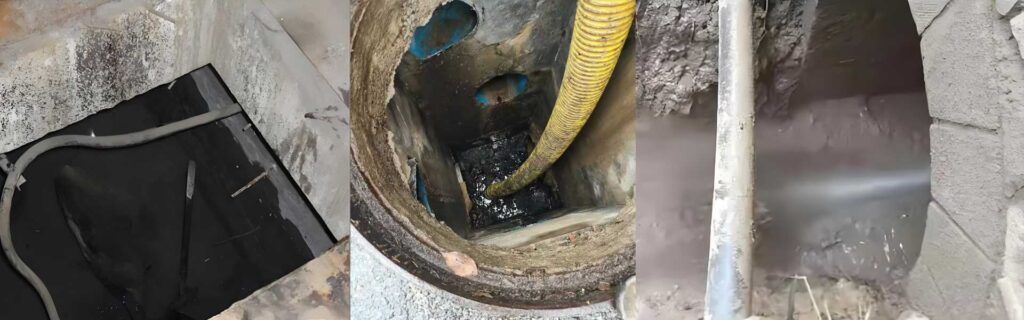
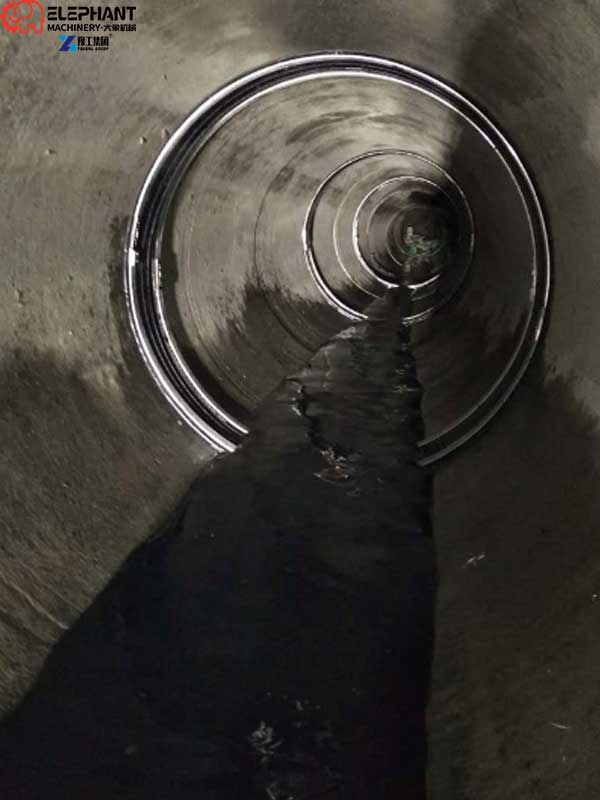
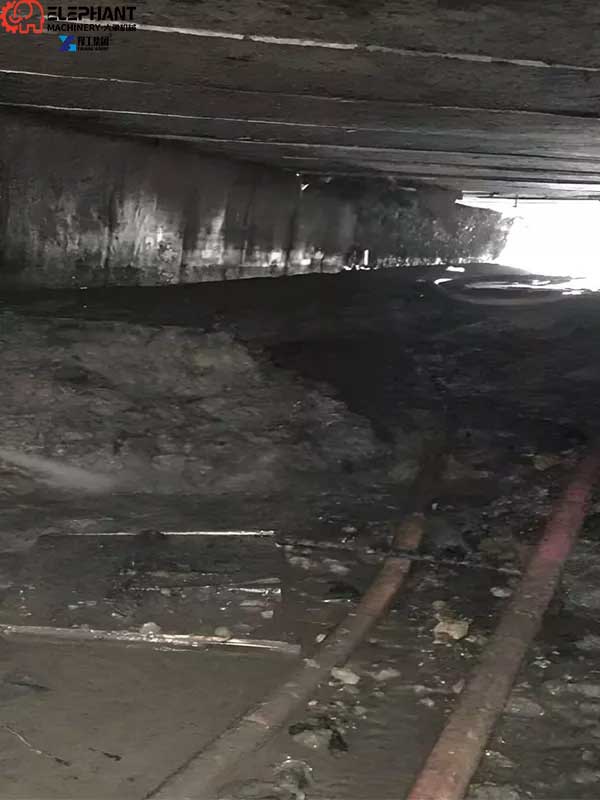
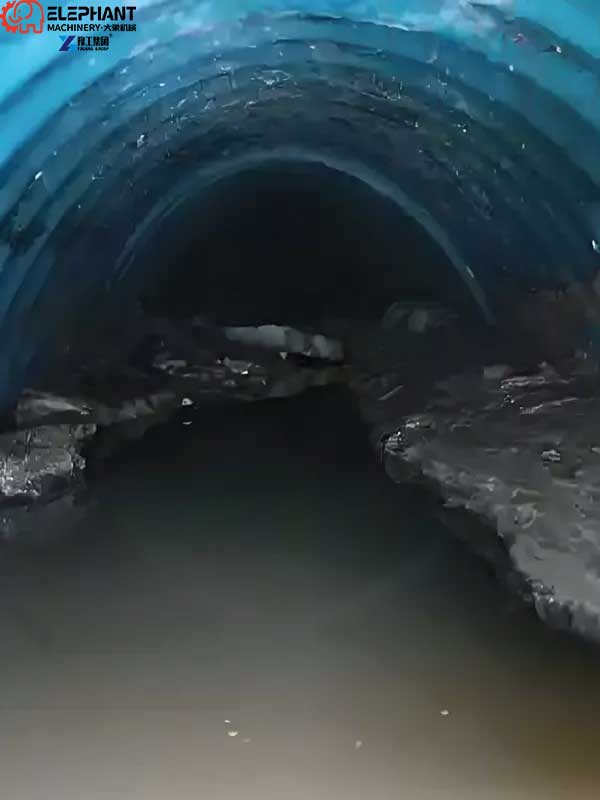
Municipal sewer and drainage systems play a critical role in urban water management. However, long-term operation often leads to sediment accumulation, sludge buildup, and debris blockage inside underground drainage structures, stormwater channels, culverts, and sewer networks.
Traditional cleaning methods can be inefficient and risky due to limited access, confined spaces, and the difficulty of removing settled sludge from underground environments.
Key challenges include:
- Heavy sludge and sediment accumulation in sewer systems
- Reduced drainage capacity caused by sediment buildup
- Difficult access to underground drainage structures
- Confined-space safety risks for maintenance workers
- Frequent maintenance requirements in urban areas
Why Traditional Sewer Cleaning Methods Are Challenging?
Traditional sewer cleaning methods, including manual cleaning, vacuum trucks, and flushing equipment, have limitations when dealing with heavy sediment and confined underground environments:
- Require road excavation or partial system disruption
- Inefficient for long-distance underground pipelines
- High safety risk in confined sewer environments
- Unable to reach deep or curved pipeline sections
- High maintenance cost for large urban networks
👉 As a result, municipalities are shifting toward non-excavation, unmanned sewer cleaning technologies.

Technical Solution: Remote-Controlled Sewer Sludge Removal System
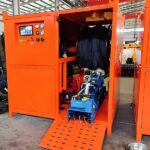
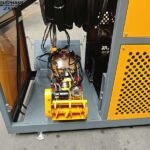
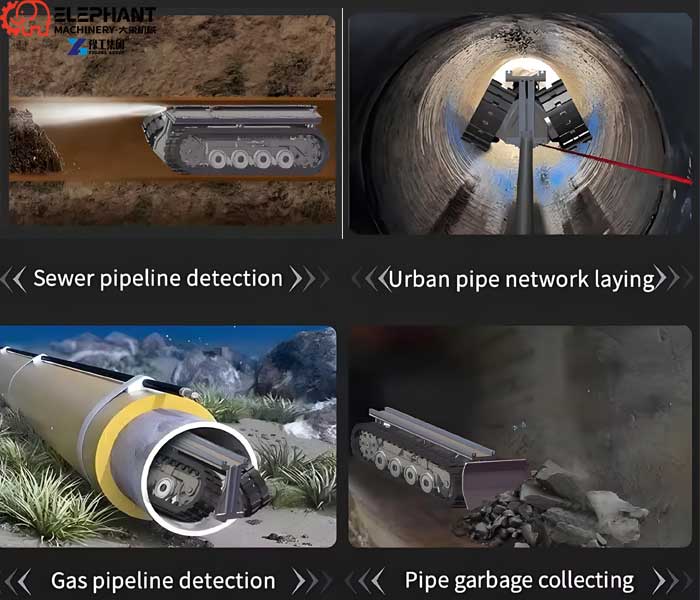
Elephant Machinery provides a remote-controlled sewer cleaning robot solution designed for municipal drainage systems, stormwater channels, culverts, and underground structures.
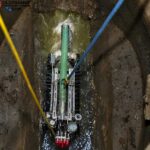
The robotic system enters through existing manholes or access openings and performs sludge breaking, dredging, and pumping operations without requiring workers to enter hazardous areas.
Once inside the municipal drainage system, the tracked dredging robot moves through narrow and complex underground channels with high stability and flexibility.
The cleaning process follows a continuous pipeline restoration workflow:
Step 1: Sludge Breaking and Sediment Loosening
The front dredging mechanism breaks compacted sludge, sand, and sediment accumulated inside drainage structures.
Step 2: Sludge Collection and Pumping
The loosened material is mixed into slurry and transferred through the pumping system for efficient removal.
Step 3: Continuous Remote Cleaning
Operators control movement and cleaning operations remotely, enabling safer and more efficient maintenance without excavation or confined-space entry.
👉 This method enables continuous, trenchless pipeline cleaning without excavation or traffic disruption.
System Functional Advantages
1. Remote-Controlled Operation for Safe Sewer Maintenance
- Wireless remote control operation from ground level
- Real-time camera monitoring inside underground pipelines
- Adaptable to complex sewer network structures
- Enables precise control in curved and long-distance pipelines
👉 Ensures safe operation in underground sewer environments without human entry
2. Powerful Sludge Removal Capability
- Continuous sludge, sand, and debris removal
- Designed for stormwater and sewer drainage networks
- Stable operation in long-distance underground channels
- Prevents pipeline re-blockage during operation
3. Compact Mobility for Underground Structures
- Tracked movement for drainage and culvert environments
- Stable navigation in narrow and sediment-filled pipelines
- Suitable for DN300–DN1200 sewer networks
- Adapted for underground hydraulic flow conditions
Application Scenarios of Municipal Sewer Cleaning Robot
- Municipal Sewer Systems: Remove accumulated sludge and sediment from sewer channels and underground drainage structures.
- Stormwater Drainage Networks: Maintain drainage capacity by removing sediment buildup after rainfall and flooding events.
- Underground Culverts: Clean sediment-filled culverts where excavators cannot access.
- Pump Stations: Remove settled sludge from inlet and outlet structures to improve system operation.
- Road Drainage Systems: Maintain highway and urban drainage channels for flood prevention.
Conclusion
Elephant Machinery’s municipal sewer cleaning robot provides a safer and more efficient solution for removing sludge and sediment from urban drainage systems.
By combining remote operation, crawler mobility, and powerful dredging technology, the system helps municipalities maintain sewer networks, stormwater drainage systems, and underground structures without dangerous manual entry or extensive excavation.