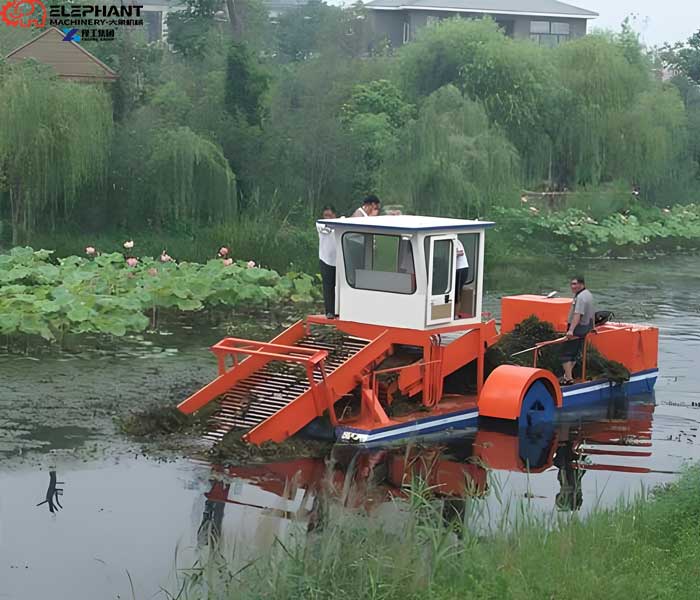
Introduction: Why Excessive Lake Weeds Have Become a Growing Challenge
Lakes provide important ecological, recreational, and economic value. They support aquatic ecosystems, provide water resources, and create attractive environments for parks, resorts, and communities.
However, excessive aquatic weed growth has become a serious problem in many lakes around the world.
Aquatic plants such as water hyacinth, duckweed, algae, and other invasive vegetation can spread rapidly under suitable conditions. When uncontrolled, they may cover large areas of the water surface and create multiple challenges, including:
- Reduced water quality
- Blocked waterways
- Lower dissolved oxygen levels
- Damage to aquatic ecosystems
- Difficult boating and fishing activities
- Increased lake maintenance costs
For lake owners, municipalities, and environmental contractors, the key question is:
How can excessive weeds be removed efficiently without damaging the aquatic environment?
Traditional methods such as manual removal and chemical treatment may provide temporary results, but they often cannot meet the needs of large-scale lake management.
As a result, more organizations are looking for reliable solutions such as a lake weed removal machine to improve efficiency and achieve long-term water management.
Why Do Lake Weeds Grow Excessively?
Before choosing a removal method, it is important to understand why aquatic weeds become a problem.
1. Excess Nutrients in Water
One of the main causes of excessive aquatic vegetation is nutrient accumulation.
Agricultural runoff, wastewater discharge, and organic waste can introduce high levels of:
- Nitrogen
- Phosphorus
- Organic matter
These nutrients create favorable conditions for rapid plant growth.
2. Slow Water Movement
Lakes with limited water circulation are more likely to experience weed growth.
Slow-moving water allows floating plants and submerged vegetation to spread quickly.
3. Environmental Changes
Factors such as:
- Higher temperatures
- Increased sunlight
- Changes in water levels
can accelerate aquatic plant growth.
Without regular maintenance, weeds can quickly become difficult to control.

Traditional Methods for Lake Weed Removal
Different methods are used to control aquatic vegetation. However, each approach has limitations.
1. Manual Weed Removal
Manual removal is commonly used for small ponds or limited areas.
Workers may use:
- Hand tools
- Small boats
- Nets
- Cutting equipment
to remove weeds.
Advantages
- Simple operation
- Low initial investment
- Suitable for small-scale cleaning
Challenges
For large lakes and reservoirs, manual removal becomes inefficient because it requires:
- Large amounts of labor
- Long working hours
- Frequent maintenance
- Higher operating costs
In addition, workers may face difficult conditions when operating in deep water or areas with dense vegetation.
For large water areas, manual cleaning is usually not a sustainable long-term solution.
2. Chemical Treatment
Some lake management projects use herbicides to control excessive plant growth.
Although chemical treatment can reduce weeds temporarily, it also has limitations:
- Potential impact on aquatic ecosystems
- Restrictions in environmentally sensitive areas
- Need for repeated applications
- Limited effectiveness for large-scale vegetation problems
For environmentally responsible water management, many projects prefer mechanical removal methods.
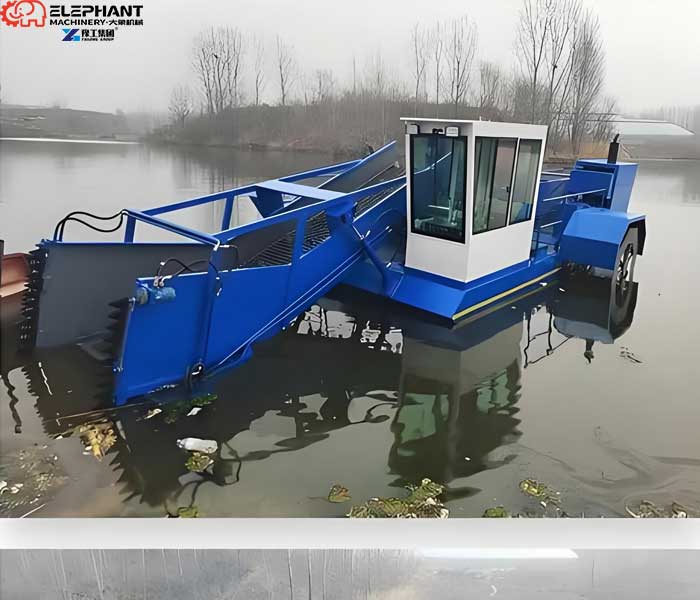
3. Mechanical Aquatic Weed Removal
Mechanical removal provides a more direct solution by physically collecting unwanted vegetation from the water.
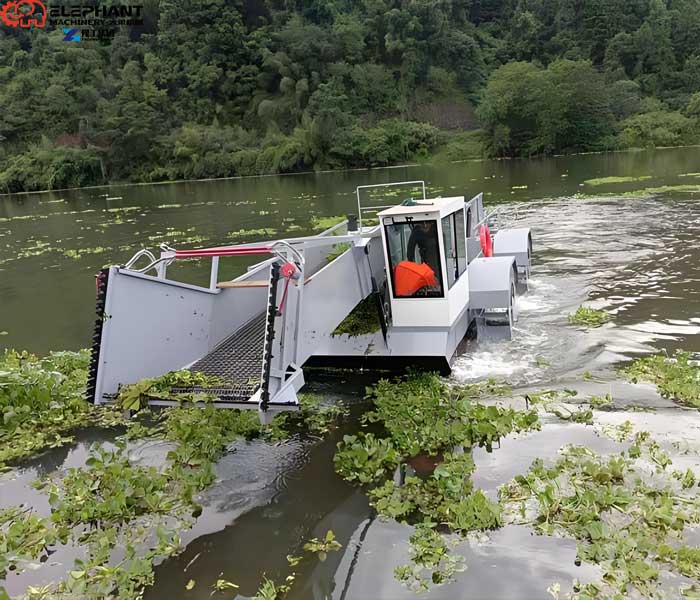
Modern equipment such as an aquatic weed harvester can cut, collect, and transport aquatic plants efficiently.
Compared with manual methods, mechanical harvesting offers:
- Higher productivity
- Continuous operation
- Reduced labor requirements
- Better control of large weed areas
What Is a Lake Weed Removal Machine?
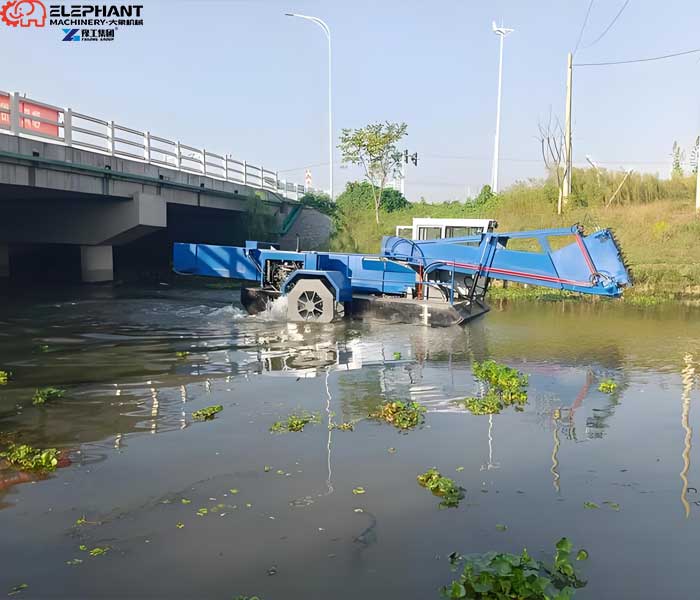
A lake weed removal machine is specialized equipment designed to remove excessive aquatic vegetation from lakes, reservoirs, rivers, and other water bodies.
Unlike simple cutting tools, modern machines combine several functions:
- Cutting aquatic plants
- Collecting floating vegetation
- Conveying harvested materials
- Storing plant waste onboard
A typical lake weed harvester works like a water-based harvesting system, allowing operators to remove large amounts of vegetation efficiently.
How Does an Aquatic Weed Harvester Work?
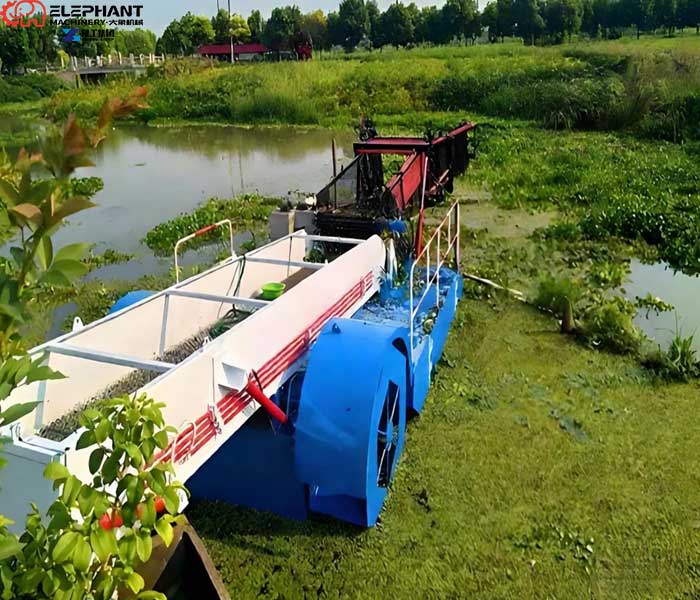
A modern aquatic weed removal machine usually includes three main working systems.
1. Cutting System
The front cutting mechanism moves through dense vegetation and cuts unwanted plants below the water surface.
It can handle:
- Floating weeds
- Water plants
- Dense aquatic vegetation
The cutting depth and width can often be adjusted according to project requirements.
2. Collection and Conveyor System
After cutting, the harvested plants are collected and transported by a conveyor system.
This continuous process helps operators:
- Remove large amounts of vegetation
- Reduce manual handling
- Improve cleaning efficiency
3. Storage and Transportation System
Collected weeds are stored onboard and transported to shore for disposal or recycling.
This makes the entire removal process more organized and efficient.
Why Mechanical Weed Removal Is Becoming a Preferred Solution?
For many lake owners, municipalities, and environmental contractors, controlling excessive aquatic vegetation is not a one-time task. Lakes often require regular maintenance to prevent weeds from growing back and affecting water quality, navigation, and ecosystem balance.
Compared with manual removal or chemical treatment, mechanical weed removal provides a more efficient and sustainable approach for large-scale water management projects.
Higher Efficiency for Large Water Areas
Large lakes, reservoirs, and waterways can contain extensive areas of aquatic vegetation. Traditional manual removal methods usually require many workers and a significant amount of time, making them difficult to apply on a large scale.
A modern aquatic weed removal machine can continuously cut, collect, and transport unwanted vegetation during operation. This allows operators to cover larger water areas in less time and improves overall cleaning efficiency.
For projects with heavy weed growth, a professional lake weed removal machine provides a more practical solution for regular aquatic vegetation management.
Lower Labor Requirements and Operating Costs
Labor-intensive weed removal can create long-term maintenance challenges, especially for large water bodies that require frequent cleaning.
Mechanical harvesting reduces the dependence on manual workers by combining cutting, collection, and transportation functions in one system.
This helps organizations reduce:
- Labor requirements
- Cleaning time
- Operational difficulties
- Long-term maintenance expenses
For municipalities and environmental service providers, using mechanical equipment can make lake maintenance more predictable and cost-effective.
Environmentally Friendly Weed Control Method
Maintaining a healthy aquatic environment requires solutions that minimize negative impacts on ecosystems.
Unlike chemical treatments that may require repeated applications and careful environmental management, mechanical removal physically collects excessive vegetation from the water.
This approach helps support sustainable aquatic vegetation removal by:
- Reducing unwanted plant growth
- Improving water circulation
- Removing accumulated biomass
- Maintaining a healthier water environment
For environmentally sensitive areas, mechanical solutions are often preferred as part of long-term water management strategies
Suitable for Long-Term Water Management
Aquatic weed problems usually return if they are not properly managed. Seasonal growth, nutrient accumulation, and changing weather conditions can cause vegetation to spread again.
Therefore, lake management requires reliable equipment that can be used regularly.
With proper maintenance, aquatic weed removal equipment can become an important part of long-term waterway management plans, helping organizations maintain cleaner and more accessible water areas throughout the year.

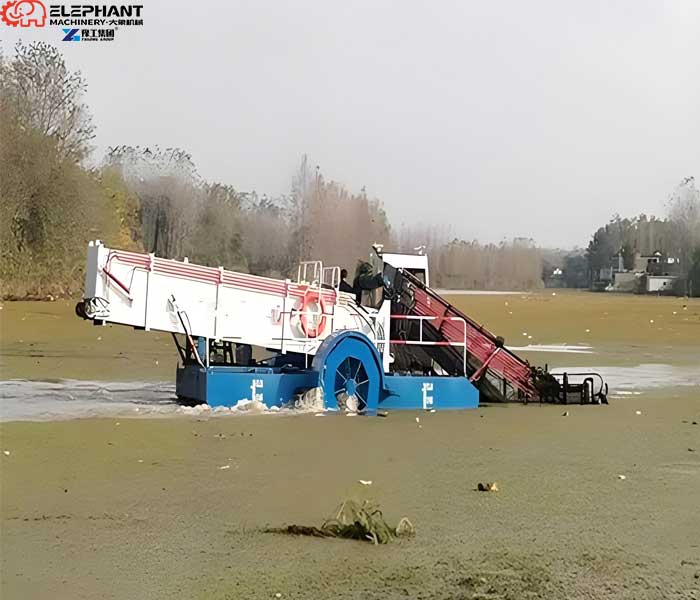
Applications of Aquatic Weed Removal Equipment
Aquatic weed growth affects different types of water environments, from urban landscape lakes to large reservoirs and commercial aquaculture areas. A suitable weed removal solution can be customized according to water conditions, vegetation types, and project requirements.
Urban Lakes and Landscape Waterways
Urban lakes and artificial waterways are important parts of city landscapes, providing recreational spaces and improving the local environment.
However, floating weeds and excessive aquatic plants can quickly affect:
- Water appearance
- Public activities
- Water quality
- City image
Municipal departments and landscape management companies often use aquatic weed removal equipment to maintain clean and attractive urban water areas while reducing manual cleaning work.
Reservoirs and Dam Areas
Reservoirs usually cover large water surfaces and may experience seasonal growth of aquatic plants due to nutrient accumulation and slow water movement.
Excessive vegetation can interfere with:
- Water circulation
- Water resource management
- Navigation activities
- Ecosystem balance
A high-capacity lake weed removal machine can help remove unwanted plants efficiently and support regular reservoir maintenance.
Tourism Lakes and Scenic Water Areas
Clean water environments are essential for parks, resorts, and tourist attractions.
Floating weeds and uncontrolled vegetation may negatively affect:
- Visitor experience
- Recreational activities
- Scenic appearance
Using professional lake maintenance equipment allows tourism operators to keep water areas cleaner and create a more attractive environment for visitors.
Aquaculture and Fish Farming Areas
Aquaculture operations depend on maintaining suitable water conditions for fish and other aquatic organisms.
Excessive aquatic plants may reduce water circulation and affect overall water quality.
Mechanical aquatic weed removal machines can help remove unwanted vegetation while maintaining better water conditions for aquaculture operations.
How to Choose the Right Lake Weed Removal Machine?
Choosing the correct equipment depends on several factors.
1. Identify the Type of Aquatic Vegetation
Different plants require different solutions.
Consider:
- Floating weeds
- Submerged plants
- Dense vegetation
- Seasonal growth patterns
2. Evaluate Lake Size and Working Conditions
Important factors include:
- Water area size
- Weed density
- Water depth
- Required cleaning frequency
Large lakes usually require higher-capacity harvesting equipment.
3. Consider Collection Capacity
A suitable machine should match project requirements, including:
- Cutting width
- Storage capacity
- Working efficiency
- Transportation method
4. Choose an Experienced Manufacturer
A professional supplier should provide:
- Customized equipment design
- Technical support
- Spare parts
- Operator training
This ensures reliable long-term operation.
Conclusion: A More Efficient Way to Manage Lake Weeds
Excessive aquatic vegetation is a common challenge for lake owners, municipalities, and environmental organizations.
While manual removal and chemical treatment may work in limited situations, they often cannot provide efficient and sustainable results for large water areas.
A modern lake weed removal machine provides an effective solution by combining cutting, collection, and transportation functions in one system.
For projects requiring reliable aquatic vegetation removal, investing in a professional aquatic weed harvester can improve cleaning efficiency, reduce labor costs, and support long-term water ecosystem management.
Choosing the right mechanical weed removal solution is an important step toward cleaner, healthier lakes.