Introduction: Why Floating Waste Has Become a Growing Water Management Problem
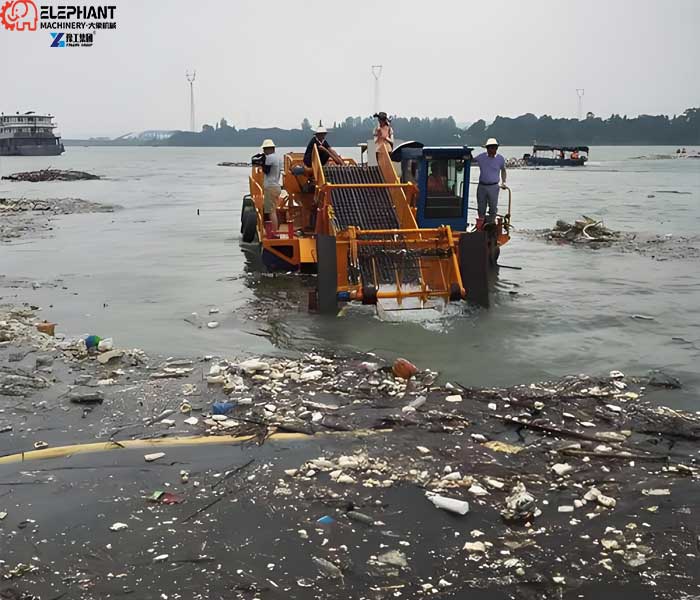
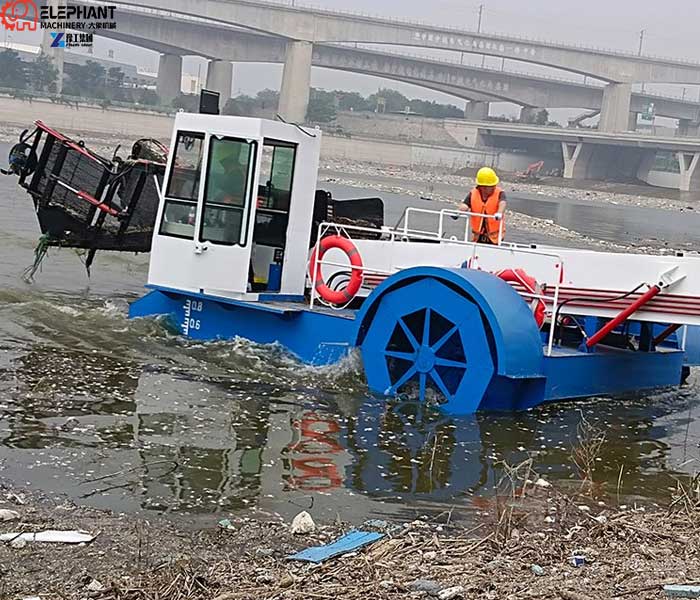
Rivers and lakes are essential natural resources that support ecosystems, agriculture, tourism, and urban development. However, with increasing urbanization and human activities, many waterways are facing a growing challenge: floating waste accumulation.
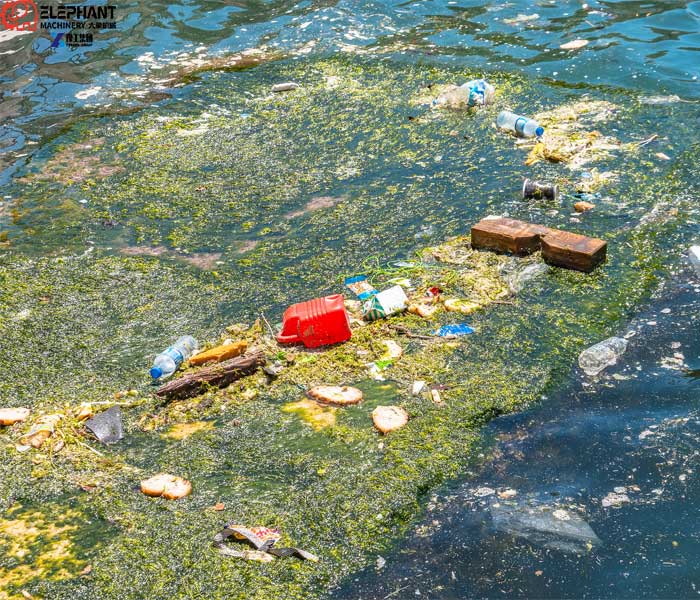
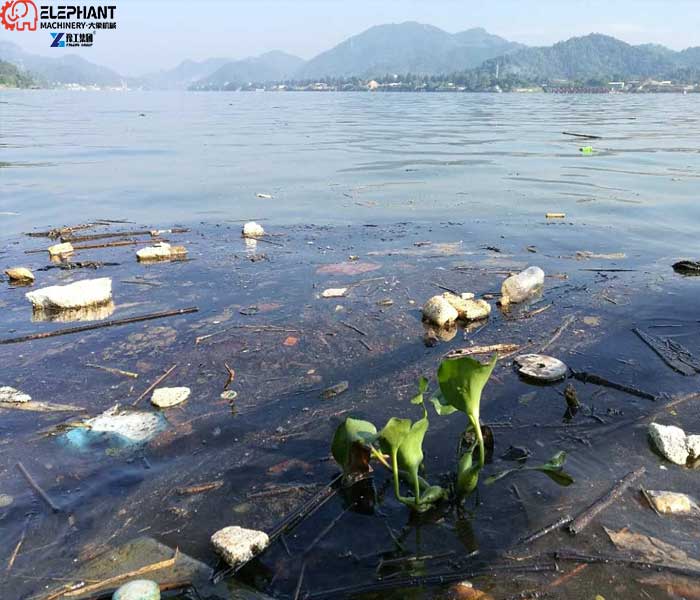
Plastic bottles, food packaging, leaves, branches, algae, aquatic plants, and other floating debris can quickly collect on the water surface, especially after heavy rainfall, floods, or periods of intensive human activity.
Floating waste not only affects the appearance of rivers and lakes but also creates more serious environmental problems, including:
- Reduced water quality
- Damage to aquatic ecosystems
- Blocked water flow channels
- Increased maintenance costs
- Negative impact on tourism and public spaces
For municipalities, environmental contractors, and water management organizations, finding an efficient way to remove floating waste from rivers and lakes has become an important part of modern water management.
Traditional manual cleaning methods are still widely used, but they often cannot meet the requirements of large-scale and continuous waterway maintenance. As a result, more projects are turning to automated solutions such as water surface cleaning equipment and river cleaning boats.
Common Methods to Remove Floating Waste from Rivers and Lakes
There are several methods currently used for floating waste removal. The best solution depends on the water area size, waste type, cleaning frequency, and project requirements.
1. Manual Floating Waste Collection
Manual cleaning is one of the oldest methods for maintaining rivers and lakes.
Workers usually use:
- Small boats
- Nets
- Hooks
- Manual collection tools
to collect floating garbage from the water surface.
Advantages of Manual Cleaning
- Simple operation
- Low initial investment
- Suitable for small water areas
However, manual collection has significant limitations.
Challenges of Manual Cleaning
For large rivers, lakes, and reservoirs, manual cleaning becomes inefficient because it requires:
- A large number of workers
- Long working hours
- Frequent maintenance
- Higher labor costs
In addition, workers may face unsafe conditions when operating in polluted water environments, strong sunlight, bad weather, or areas with fast currents.
For large-scale water management projects, manual cleaning is usually difficult to maintain as a long-term solution.
2. Using Traditional Boats for Waste Collection
Some projects use small boats equipped with nets or simple collection devices.
Compared with manual cleaning from the shore, boats provide better access to wider water areas.
However, traditional boats still have several problems:
- Limited collection capacity
- Low working efficiency
- Frequent unloading requirements
- Difficulty handling large amounts of floating debris
When rivers or lakes experience seasonal pollution problems, such as floating waste after storms, these methods may not provide sufficient cleaning capacity.
3. Automated Water Surface Cleaning Equipment
With the development of environmental technology, automated equipment has become an increasingly popular solution for waterway maintenance.
Modern water surface cleaning equipment is designed to collect floating waste continuously and improve cleaning efficiency while reducing labor requirements.
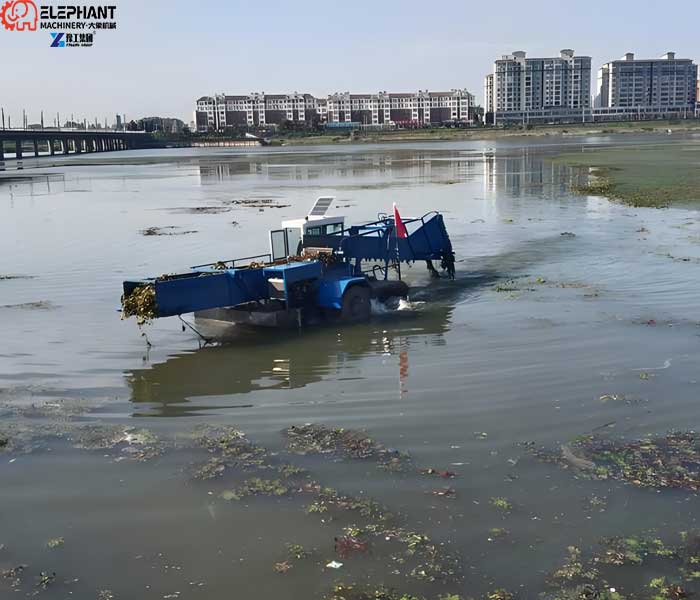
A typical automated cleaning system includes:
- Floating waste collection mechanism
- Conveyor system
- Storage compartment
- Remote control system
- Customized propulsion structure
This type of equipment is commonly designed as a river cleaning boat or floating garbage removal machine.
How Does a River Cleaning Boat Remove Floating Waste?
A modern river cleaning boat combines several working systems to achieve continuous waste collection.
1. Floating Waste Collection System
The front collection mechanism captures floating materials while the boat moves forward.
The system can collect various types of surface waste, including:
- Plastic bottles
- Bags
- Leaves
- Branches
- Floating plants
- Other debris
Compared with manual nets, the mechanical collection system provides a wider working range and more stable operation.
2. Conveyor and Waste Storage System
After collecting floating waste, the conveyor transfers materials into the onboard storage area.
This design allows the equipment to:
- Continue working for longer periods
- Reduce manual handling
- Improve cleaning efficiency
Once the storage compartment is full, operators can transport the collected waste to the shore for disposal.
3. Remote Control Operation
Many modern cleaning boats use remote control technology.
Operators can control the equipment safely from the shore, reducing direct contact with polluted water.
Benefits include:
- Improved operator safety
- Easier operation
- Reduced labor requirements
- Better access to difficult areas
For industrial waterways, reservoirs, and polluted rivers, remote operation provides additional safety advantages.
What Types of Floating Waste Can Be Removed?
One of the biggest advantages of automated cleaning equipment is its ability to handle different types of floating materials.
A suitable floating waste removal equipment system can remove:
Plastic Waste
Common pollution sources include:
- Plastic bottles
- Packaging materials
- Disposable containers
- Floating plastic bags
Organic Floating Materials
Including:
- Leaves
- Branches
- Grass
- Aquatic plants
Aquatic Vegetation
In some lakes and reservoirs, excessive plant growth can affect water quality and navigation.
Specialized aquatic weed removal equipment can help control:
- Water hyacinth
- Floating weeds
- Excessive aquatic vegetation
Why Automated Solutions Are Better for Large Water Areas?
For cities, environmental companies, and water management departments, automated cleaning systems provide several advantages.
Higher Cleaning Efficiency
Large rivers and lakes require continuous maintenance.
Compared with manual collection, automated equipment can cover larger areas and operate for longer periods.
This makes it suitable for:
- Urban river cleaning
- Reservoir maintenance
- Scenic lake management
- Municipal water projects
Lower Long-Term Operating Costs
Although automated equipment requires an initial investment, it can reduce long-term expenses by decreasing dependence on manual labor.
Customers can reduce:
- Labor costs
- Cleaning frequency
- Operational difficulties
Safer Waterway Maintenance
Polluted water environments may contain:
- Harmful substances
- Floating waste
- Unstable conditions
Using automated equipment allows operators to maintain waterways without unnecessary exposure to hazardous environments.
Flexible Solutions for Different Water Conditions
Every water project has different requirements.
Professional manufacturers can customize equipment according to:
- River width
- Waste volume
- Water depth
- Cleaning frequency
- Transportation requirements
This ensures the cleaning system matches the actual working environment.
Applications of Water Surface Cleaning Equipment
Automated water surface cleaning equipment is widely used in different water management projects. Depending on the water environment and waste conditions, cleaning boats can provide efficient solutions for rivers, lakes, reservoirs, canals, and other water areas.
1. Urban River and Canal Cleaning
Urban waterways often accumulate floating garbage from:
- Daily human activities
- Rainfall runoff
- Nearby residential areas
- Tourism activities
Plastic bottles, packaging waste, leaves, and other debris can affect water quality and city appearance.
A river cleaning boat helps municipalities maintain cleaner waterways through continuous floating waste collection, reducing dependence on manual cleaning operations.
2. Lake and Reservoir Maintenance
Large lakes and reservoirs require regular surface maintenance because floating waste can accumulate over wide areas.
Common challenges include:
- Seasonal garbage accumulation
- Floating plants
- Algae growth
- Storm-related debris
Reliable lake cleaning equipment can help environmental organizations and water management companies improve cleaning efficiency.
3. Tourism and Scenic Water Areas
Clean water environments are essential for:
- Parks
- Resorts
- Scenic areas
- Recreational lakes
Floating garbage can negatively affect visitor experience.
Automated cleaning equipment allows operators to maintain attractive water surfaces while reducing labor requirements.
4. Aquatic Weed and Plant Removal
Some water bodies suffer from excessive aquatic vegetation, such as water hyacinth and floating weeds.
In these situations, specialized aquatic weed removal equipment can be used to collect unwanted plants and improve water circulation.
5. Industrial and Municipal Water Management Projects
Industrial areas, wastewater facilities, and municipal water systems may require regular surface cleaning.
Automated floating waste removal equipment helps maintain cleaner water environments while improving operational safety.
How to Choose the Right Floating Waste Removal Solution?
Before purchasing equipment, customers should evaluate several factors.
1. Analyze the Type of Floating Waste
Different waste requires different designs.
For example:
- Plastic garbage requires strong collection systems
- Aquatic plants may require cutting and harvesting functions
- Large debris requires higher-capacity equipment
2. Consider Water Area Size
Small canals may need compact equipment.
Large rivers and reservoirs usually require:
- Larger collection capacity
- Longer operating time
- Stronger propulsion systems
3. Check Cleaning Capacity and Operating Efficiency
Important factors include:
- Collection width
- Storage capacity
- Working speed
- Continuous operation time
Choosing suitable specifications helps improve project efficiency.
4. Select an Experienced Manufacturer
A reliable supplier should provide:
- Engineering support
- Customized solutions
- Equipment training
- Spare parts supply
- After-sales service
For long-term water management projects, technical support is as important as the equipment itself.
Conclusion: Automated Cleaning Is the Future of Waterway Maintenance
Removing floating waste from rivers and lakes is a continuous challenge that requires efficient and sustainable solutions.
While traditional manual cleaning methods can work for small areas, they often struggle with large-scale water management requirements.
Modern water surface cleaning equipment and river cleaning boats provide a smarter approach by combining automatic collection, remote operation, and customized designs.
For municipalities, environmental contractors, and water management organizations, investing in reliable floating waste removal equipment can improve cleaning efficiency, reduce operational costs, and create cleaner waterways.
Choosing the right automated water cleaning solution is an important step toward sustainable environmental protection.