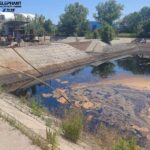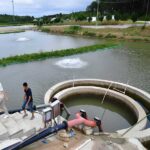
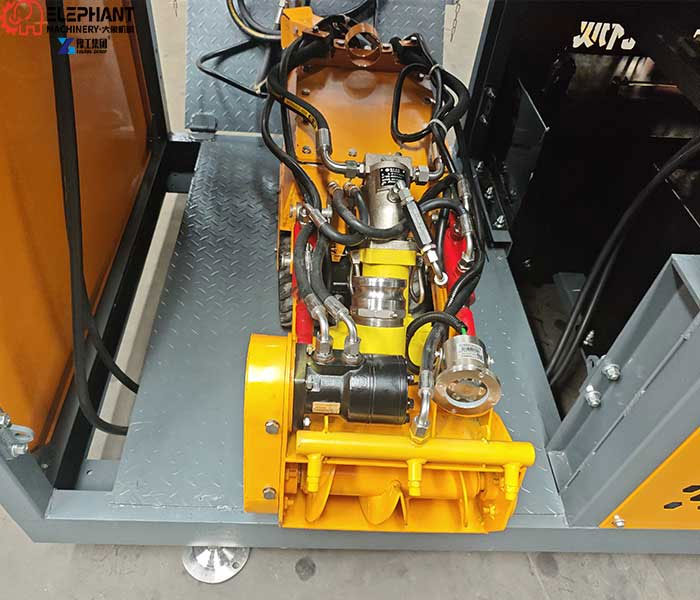
Aquaculture ponds naturally accumulate large amounts of sludge over time, including fish waste, uneaten feed, algae residues, and organic sediment. This buildup reduces water quality, increases ammonia levels, and can lead to disease outbreaks and slow fish growth.
The aquaculture pond dredging robot is a modern, non-stop solution designed for continuous sludge removal in fish farms, shrimp farms, and aquaculture lagoons—without draining water or stopping production.
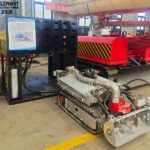
Using a crawler-type underwater dredging system combined with a high-efficiency suction pump, this robot removes sediment directly from the pond bottom. It improves water quality while keeping fish safe and undisturbed.
Unlike traditional excavation or drainage methods, this robot enables uninterrupted aquaculture operations with minimal disruption.
Aquaculture Pond Dredging Robot Parameters
| Parameter | YG450 | YG500 | YG600 | YG700 | YG800 | YG900 | YG1200 |
| Robot Dimensions (mm) | ≤1700 × 450 × 450 | 1500 × 500 × 650 | 1500 × 600 × 650 | 1600 × 700 × 650 | 1600 × 850 × 700 | 1650 × 960 × 750 | 1900 × 1200 × 750 |
| Applicable Manhole / Access | ≥600 mm opening | ≥600 mm opening | ≥600 mm opening | ≥700 mm opening | ≥800 mm opening | ≥900 mm opening | Large culvert / open access |
| Dredging Width (mm) | 450 | 500 | 600 | 700 | 800 | 900 | Suitable for large culverts |
| Travel Speed (m/min) | 3–12 | 3–15 | 3–15 | 3–15 | 3–15 | 3–15 | 3–17 |
| Pump Diameter (inch) | 3 | 3 | 3 | 4 | 4 | 4 | 4 or 6 |
| Pump Flow (m³/h) | 50 | 100 | 100 | 160 | 160 | 200 | 250 |
| Pump Head (m) | 0-30 | 0–30 | 0–30 | 0–25 | 0–25 | 0–25 | 0–30 (Horizontal: 100–150 m) |
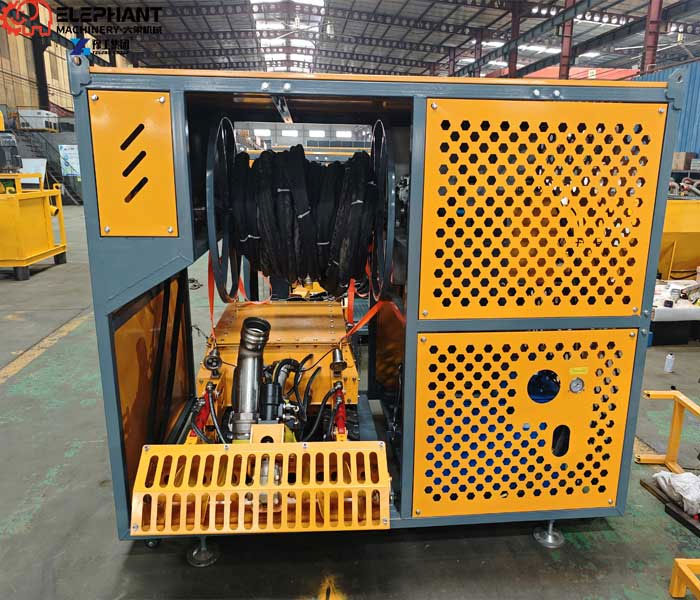
| Hydraulic Station Dimensions (mm) | 2000 × 1100 × 1500 (recommended) | 2200 × 1200 × 1700 | 2200 × 1200 × 1700 | 2200 × 1200 × 1700 | 2200 × 1200 × 1700 | 2200 × 1200 × 1700 | 2120 × 1240 × 1200 |
| Main Motor Power (kW) | 11–15 kW | 18 | 18 | 22 | 22 | 22 | 45 kW (50 kW) / Diesel 76 kW (123 kW) |
| Hydraulic System Pressure (MPa) | 0–16 | 0–16 | 0–16 | 0–16 | 0–16 | 0–16 | Custom / high-pressure system |
| Particle Size Capacity (mm) | ≤10–20 mm (soft sludge) | 15 | 15 | 40 | 40 | 50 | 0–40 (customizable) |
| Winch Speed (r/min) | 0–10 | 0–10 | 0–10 | 0–10 | 0–10 | 0–10 | 0–10 |
| Pipe Length (m) | 20–30 optional | 30–50 optional | 30–50 optional | 30–50 optional | 30–50 optional | 30–50 optional | 30 m/pack, high-pressure resistant |
| Control System | Wireless Remote Control | Wireless Remote | Wireless Remote | Wireless Remote | Wireless Remote | Wireless Remote | Wireless Remote |
| Lighting System | Underwater LED ×2 | Underwater LED ×2 | Underwater LED ×2 | Underwater LED ×2 | Underwater LED ×2 | Underwater LED ×2 | Underwater LED ×2 |
Get the Right Model for Your Project
Why Aquaculture Ponds Need Sludge Removal?
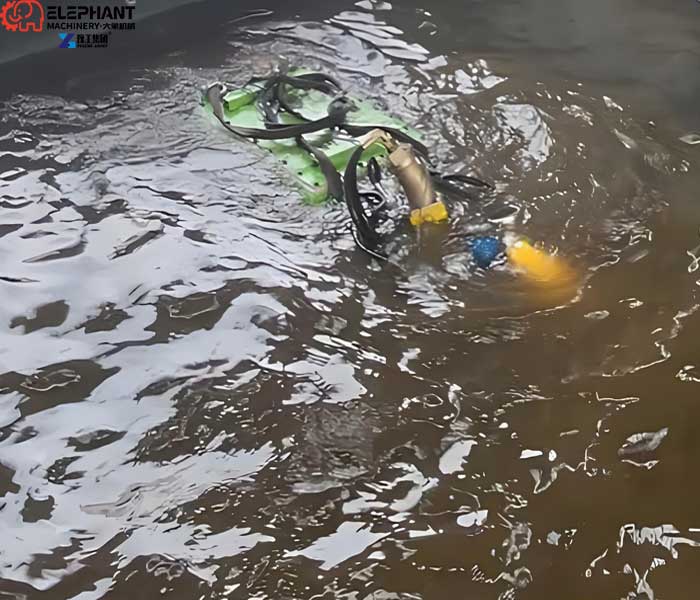
In aquaculture environments, sludge is more than just dirt—it is a major biological risk factor.
Main sludge sources include:
- Fish excretion and organic waste
- Uneaten feed accumulation
- Algae decay and microbial growth
- Dead plankton and biofloc residues
If not removed, sludge leads to:
- Oxygen depletion in water
- Ammonia and hydrogen sulfide buildup
- Fish stress and disease outbreaks
- Slow growth rate and feed inefficiency
- Increased mortality rate
Regular sludge removal is essential for maintaining healthy, high-yield aquaculture production.
Traditional Cleaning Methods vs. Robot Dredging
| Manual net dredging (low efficiency, high labor cost) | No need to drain water |
| Drain & dry pond method (production loss) | Continuous cleaning during operation |
| Excavator cleaning (damages pond liner, requires downtime) | No harm to fish or shrimp |
| Suitable for HDPE-lined ponds | |
| Remote controlled operation | |
| High sludge removal efficiency |
How the Aquaculture Pond Dredging Robot Works?
The system integrates four core functions:
- Crawler Mobility System – Rubber crawler tracks allow smooth movement on soft pond bottoms without damaging liners.
- Underwater Suction System – A high-capacity sludge pump removes sediment directly from the pond floor.
- Sediment Mixing & Breaking Unit – Breaks compacted sludge layers for easier suction.
- Remote Control Operation – Operators can control the robot from the surface, ensuring safety and precision.
👉 This makes it a true remote control dredging robot for aquaculture environments.

Advanced Features of Fish & Shrimp Pond Sludge Removal Robot
- Controlled Sludge Removal: Removes accumulated organic waste and sediment from targeted areas, helping reduce unnecessary disturbance to the pond bottom.
- Hydraulic Sludge Pumping: Transports suitable mixtures of shrimp or fish waste, leftover feed, and sediment through a discharge pipeline. Pump selection depends on solids concentration, pipeline length, and discharge head.
- HDPE Liner-Conscious Cleaning: Crawler tracks support movement across the pond bottom, while adjustable auger height helps control cleaning depth and reduce the risk of liner damage.
- Remote-Controlled Operation: Allows operators to control robot movement without entering the pond to manually remove sludge, helping reduce labor requirements and direct exposure to muddy water.
- Underwater Lighting and Visibility: Underwater LED lights support visibility during submerged operation. Optional camera monitoring can help operators observe the working area if included in the selected configuration.
- Configurable Sludge Handling: Different models offer different pump sizes and handling capacities. The appropriate configuration depends on sludge consistency, particle size, required flow, and site conditions.
Applications of Aquaculture Pond Dredging Robot in Fish and Shrimp Farming
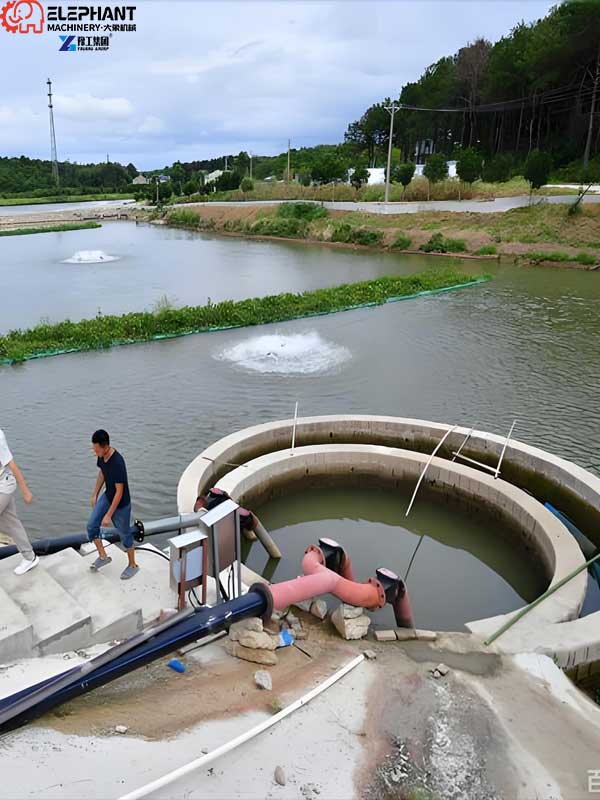
The aquaculture pond dredging robot is widely used in:
- Fish farming ponds
- Shrimp farming ponds
- Tilapia aquaculture systems
- Catfish breeding ponds
- Carp farming ponds
- Aquaculture lagoons
- Earthen ponds
- HDPE-lined ponds
- Semi-closed aquaculture systems
ROI (Return on Investment Analysis)
Traditional pond cleaning requires:
- Large labor teams
- Pond drainage downtime
- High maintenance cost
- Production interruption
Example comparison (5-acre fish farm):
| Labor cost: $18,000/year | Operation cost: $3,500/year |
| Downtime loss: $6,000/year | Maintenance: $1,200/year |
| Total: $24,000/year | Total: $4,700/year |
💰 Annual savings: Approx. $19,000+
⏱ Payback period: 6–12 months depending on usage frequency
How to Choose the Right Model of Aquaculture Pond Dredging Robot?
When selecting an pond cleaning robot, consider:
| Pond size | Small: 20–50 m³/h • Medium: 50–120 m³/h • Large: 120–250 m³/h |
| Sludge thickness | Thin: standard suction • Heavy: reinforced dredging |
| Pond type | Earthen, concrete, or HDPE-lined |
| Operation depth | Shallow: standard crawler • Deep: extended hose system |
HDPE-lined ponds are becoming the standard in modern aquaculture because they improve water quality control and reduce disease risks. However, sludge accumulation still occurs on the liner surface, making robotic cleaning systems essential for safe and efficient maintenance.
Why Choose Our Aquaculture Cleaning Robot?
- Factory direct supply
- Customizable dredging capacity
- Suitable for global aquaculture environments
- Proven technology used in industrial dredging systems
- Export experience to Africa, Southeast Asia, Middle East, and South America
- OEM/ODM available
We provide full solutions for fish pond sludge removal and aquaculture maintenance systems.
FAQ About Aquaculture Pond Dredging Robots
1. Can the robot clean ponds without draining the water?
Yes. The robot removes sludge underwater, so full pond drainage is not necessarily required. Whether cleaning can continue while fish or shrimp remain in the pond depends on water quality and operating conditions.
2. Will the robot harm fish or shrimp?
The controlled suction system helps minimize unnecessary sediment disturbance. However, the impact on aquatic animals depends on water conditions, cleaning settings, and farm management practices.
3. What types of sludge can it remove?
It can handle suitable mixtures of fish waste, leftover feed, algae residues, and organic sediment. Pump selection depends on sludge consistency and particle size.
4. Can it be used in shrimp ponds?
Yes. The robot can be configured for shrimp ponds based on pond dimensions, sludge accumulation, bottom material, and required cleaning capacity.
5. What is the sludge removal capacity?
Available models have pump flow rates ranging from 50 to 250 m³/h. Actual sludge removal output depends on solids concentration, pipeline length, discharge head, and operating conditions.
6. How deep can the robot operate?
The suitable operating depth depends on the robot model and configuration. Please provide your pond depth and working conditions so we can recommend a suitable model.
7. Can it work in HDPE-lined ponds without damaging the liner?
It can be configured for HDPE-lined ponds. Rubber crawler tracks and adjustable auger height help control movement and cleaning depth, and prevent liner damage. Proper setup and operation are still essential.
8. Can the robot operate continuously?
It is designed for extended sludge-removal operations. Actual operating duration depends on the machine configuration, hydraulic power supply, working conditions, and maintenance requirements.
9. Does the robot include a remote-control system?
Yes. Wireless remote control is included in the listed standard configurations, allowing operators to control the robot from outside the pond.
10. What maintenance does the robot require?
Routine maintenance includes inspecting and cleaning the pump, checking hoses and connections, and inspecting the crawler and hydraulic system after operation. Follow the maintenance schedule for the selected model.
Ready to Improve Your Aquaculture Productivity?
Need a Professional Aquaculture Pond Dredging Solution?
We provide customized Aquaculture Pond Cleaning Robots for fish farms, shrimp farms, and large-scale aquaculture projects.
👉 Get technical consultation
👉 Request working video
👉 Receive model recommendation & quotation within 24 hours
📩 Contact us today to reduce sludge management costs and boost your farm’s efficiency.