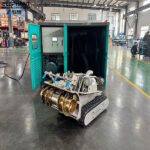

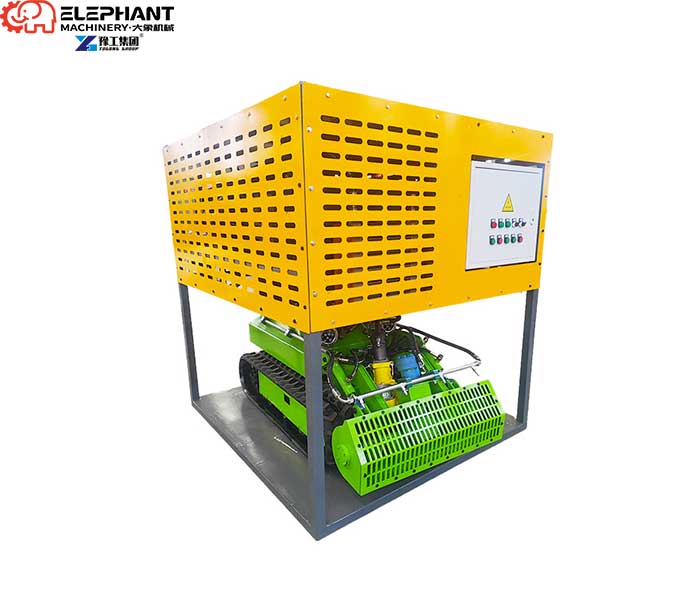
Silt accumulation is a common challenge in ponds, reservoirs, aquaculture farms, lakes, and industrial water facilities. Over time, fine sediment, organic deposits, and suspended particles settle at the bottom, reducing water capacity, affecting water quality, and increasing maintenance requirements.
Traditional sediment removal methods often depend on excavators, dredging vessels, or manual cleaning. However, these methods may require large working areas, cause environmental disturbance, or involve high labor and operational costs.
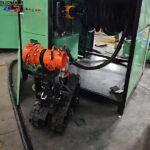
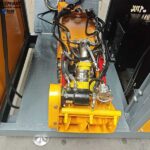
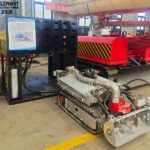
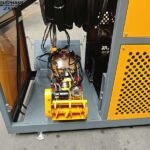
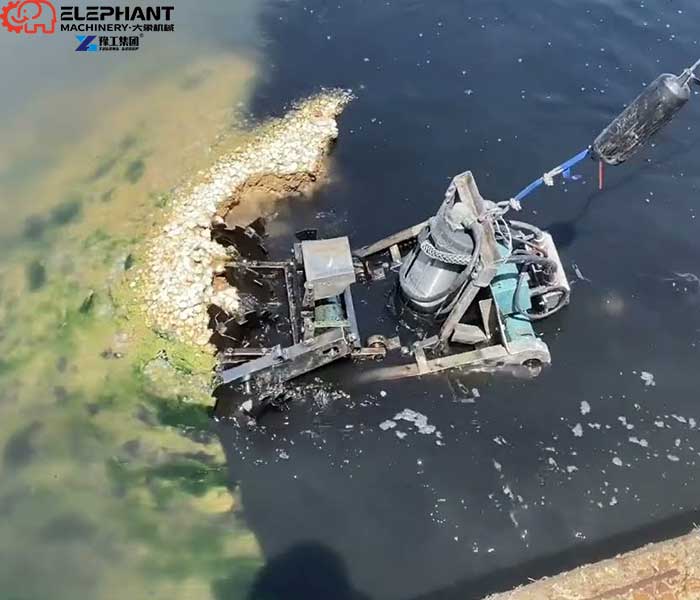
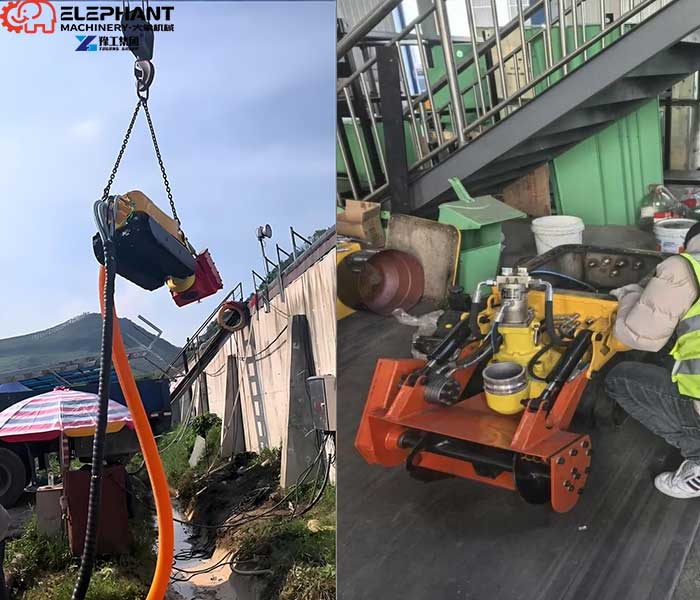
A remote controlled silt removal robot provides a more flexible solution for sediment cleaning in difficult-to-access environments. By combining crawler mobility, a front cutting system, high-pressure water jets, and a powerful suction pump, the robot can loosen and remove accumulated silt remotely without requiring workers to enter the water or perform dangerous underwater operations.
This robotic dredging solution is suitable for stormwater retention basins, reservoirs, wastewater treatment facilities, sedimentation tanks, industrial settling basins, and other hard-bottom or suitable-access environments where accumulated sludge and sediment need to be removed without draining the entire facility.
Silt Removal Robot Parameters
| Parameter | YG450 | YG500 | YG600 | YG700 | YG800 | YG900 | YG1200 |
| Robot Dimensions (mm) | ≤1700 × 450 × 450 | 1500 × 500 × 650 | 1500 × 600 × 650 | 1600 × 700 × 650 | 1600 × 850 × 700 | 1650 × 960 × 750 | 1900 × 1200 × 750 |
| Applicable Manhole / Access | ≥600 mm opening | ≥600 mm opening | ≥600 mm opening | ≥700 mm opening | ≥800 mm opening | ≥900 mm opening | Large culvert / open access |
| Dredging Width (mm) | 450 | 500 | 600 | 700 | 800 | 900 | Suitable for large culverts |
| Travel Speed (m/s) | 3–12 | 3–15 | 3–15 | 3–15 | 3–15 | 3–15 | 0–17 m/min |
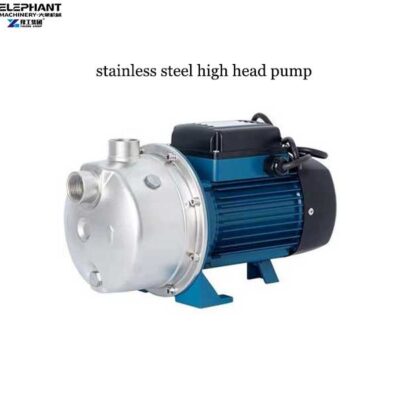
| Pump Diameter (inch) | 3 | 3 | 3 | 4 | 4 | 4 | 4 or 6 |
| Pump Flow (m³/h) | 50 | 100 | 100 | 160 | 160 | 200 | 250 |
| Pump Head (m) | 0-30 | 0–30 | 0–30 | 0–25 | 0–25 | 0–25 | 0–30 (Horizontal: 100–150 m) |
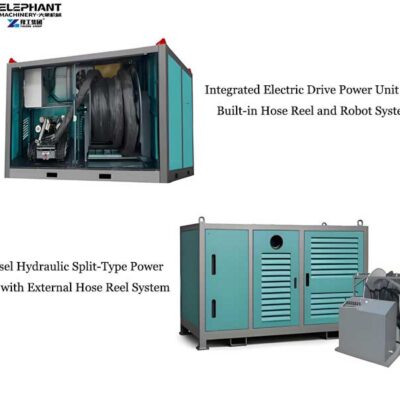
| Hydraulic Station Dimensions (mm) | 2000 × 1100 × 1500 (recommended) | 2200 × 1200 × 1700 | 2200 × 1200 × 1700 | 2200 × 1200 × 1700 | 2200 × 1200 × 1700 | 2200 × 1200 × 1700 | 2120 × 1240 × 1200 |
| Main Motor Power (kW) | 11–15 kW | 18 | 18 | 22 | 22 | 22 | 45 kW (50 kW) / Diesel 76 kW (123 kW) |
| Hydraulic System Pressure (MPa) | 0–16 | 0–16 | 0–16 | 0–16 | 0–16 | 0–16 | Custom / high-pressure system |
| Particle Size Capacity (mm) | ≤10–20 mm (soft sludge) | 15 | 15 | 40 | 40 | 50 | 0–40 (customizable) |
| Winch Speed (r/min) | 0–10 | 0–10 | 0–10 | 0–10 | 0–10 | 0–10 | 0–10 |
| Pipe Length (m) | 20–30 optional | 30–50 optional | 30–50 optional | 30–50 optional | 30–50 optional | 30–50 optional | 30 m/pack, high-pressure resistant |
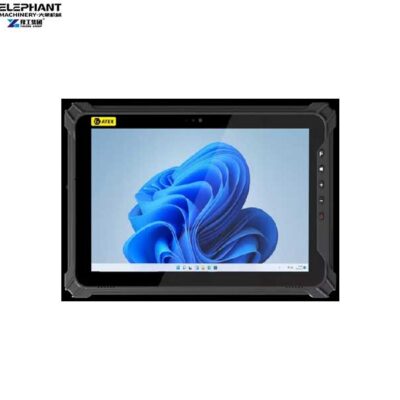
| Control System | Wireless Remote Control | Wireless Remote | Wireless Remote | Wireless Remote | Wireless Remote | Wireless Remote | Wireless Remote |
| Lighting System | Underwater LED ×2 | Underwater LED ×2 | Underwater LED ×2 | Underwater LED ×2 | Underwater LED ×2 | Underwater LED ×2 | Underwater LED ×2 |
Get the Right Model for Your Project
Why Is Silt Removal Difficult?
Sediment accumulation is a gradual process, but its impact on water systems can become significant over time.
Reduced Water Capacity and Poor Water Quality
In ponds, reservoirs, and lakes, continuous silt deposition reduces effective water volume and affects water circulation.
Common problems include:
- Reduced storage capacity
- Increased organic accumulation
- Poor water quality
- Higher maintenance frequency
Regular sediment cleaning helps restore water capacity and maintain better operating conditions.
Limited Access for Traditional Equipment
Many sediment removal projects face access limitations.
For example:
- Small ponds cannot accommodate large excavators
- Reservoir areas may have difficult terrain
- Aquaculture farms require low-disturbance cleaning
- Industrial facilities may have restricted working spaces
A compact silt removal robot can operate directly in the water and reach areas that are difficult for conventional dredging equipment.
Environmental Concerns During Sediment Cleaning
Traditional dredging methods may create additional challenges:
- Disturbance of aquatic environments
- Damage to surrounding areas
- High transportation requirements
- Long preparation periods
A robotic sediment removal system provides targeted cleaning with less impact on the surrounding environment.
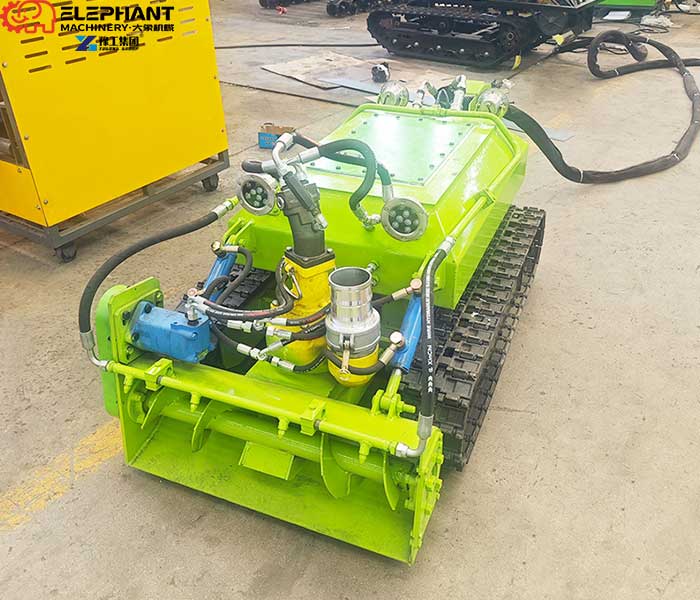
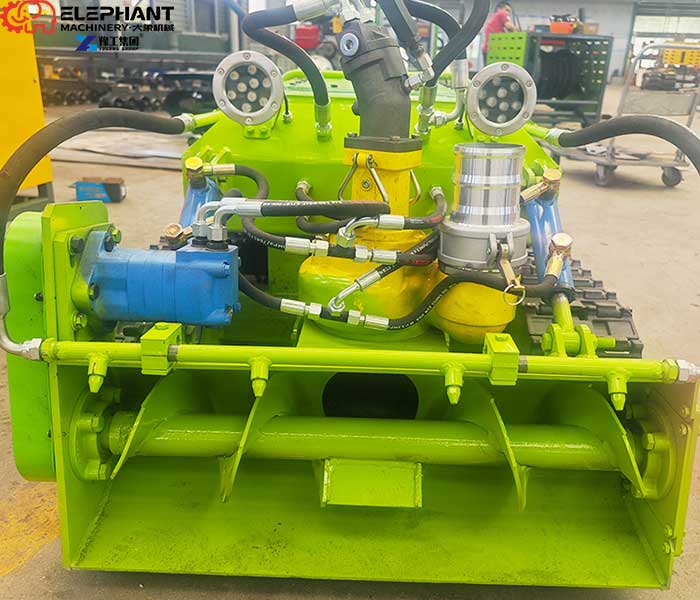
How Does a Remote Controlled Silt Removal Robot Work?
A remote controlled silt removal robot integrates underwater movement, sediment loosening, suction, and transportation technologies to complete efficient cleaning operations.
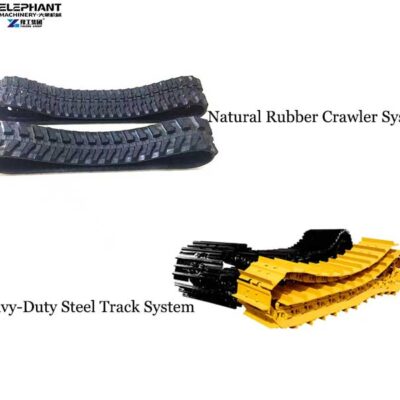
1. Crawler System for Stable Underwater Movement
The robot uses a crawler drive system to move across soft sediment and uneven underwater surfaces.
Compared with floating dredging equipment, the crawler design provides:
- Stable operation on muddy bottoms
- Better traction in soft terrain
- Precise movement in specific cleaning areas
This allows the robot to work effectively in ponds, reservoirs, and other sediment-filled environments.
2. Front Cutting Head for Breaking Hard Sediment
Some sediment layers become compacted after long-term accumulation and cannot be removed efficiently by suction alone.
The front-mounted cutting head helps:
- Break hardened silt layers
- Loosen compact sediment
- Improve suction efficiency
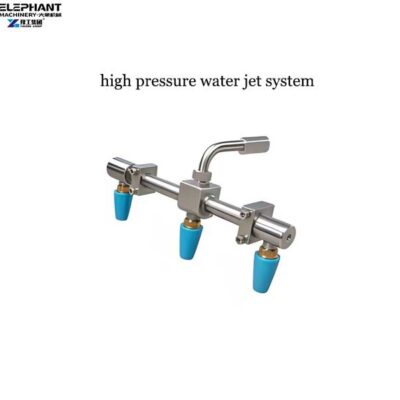
For stubborn deposits, the high-pressure water jet system assists in separating sediment from the bottom surface.
3. Powerful Suction and Long-Distance Slurry Transfer
After sediment is loosened, the suction system collects the mixture of water and silt.
The high-pressure dredging pump transfers the slurry through pipelines to the designated discharge location.
This process provides:
- Continuous sediment removal
- Efficient material transportation
- Reduced manual handling
4. Remote Operation Without Human Entry
Operators can control the robot from a safe location through a remote control system.
This eliminates the need for workers to enter:
- Deep water areas
- Muddy environments
- Difficult cleaning zones
Remote operation improves safety while reducing labor requirements.
Key Advantages of Remote Controlled Silt Removal Robot
Safe Sediment Cleaning Without Large Equipment
One of the biggest benefits of a robotic dredging system is that it reduces dependence on heavy machinery.
Traditional excavation may require:
- Large working areas
- Transportation equipment
- Extensive preparation
The compact robot can perform targeted cleaning with minimal site disruption.
Efficient Removal of Silt and Sediment
The combination of crawler movement, cutting technology, water jet cleaning, and suction pumping enables the robot to handle different sediment conditions.
It can remove:
- Fine silt
- Mud deposits
- Organic sediment
- Bottom accumulation
Low Environmental Disturbance
For ecological areas and water management projects, minimizing disturbance is important.
Compared with traditional dredging methods, a sediment removal robot offers:
- More precise cleaning
- Reduced disturbance to surrounding areas
- Flexible operation in sensitive environments
Flexible Operation in Difficult Locations
The compact design allows the robot to work in areas where traditional equipment has limitations.
Suitable environments include:
- Small ponds
- Reservoir edges
- Aquaculture farms
- Industrial water areas
Applications of Silt Removal Robot
1.Stormwater Retention Basin and Reservoir Sediment Removal
Stormwater retention basins and reservoirs can accumulate silt, sand, and organic sediment over time, reducing water storage capacity and increasing maintenance needs.
A silt removal robot can remove accumulated sediment without completely draining the basin. Its crawler system, suction pump, and remote control enable efficient cleaning in restricted-access areas.
Typical applications include:
- Stormwater retention and detention basins
- Rainwater collection reservoirs
- Concrete water storage basins
- Municipal drainage facilities
For basins with liners or sensitive bottom surfaces, site conditions should be evaluated before using a crawler dredging robot.
2.Reservoir and Lake Sediment Cleaning
Reservoirs and lakes naturally collect sediment over time.
A reservoir dredging robot helps maintain water capacity and improve water management efficiency.
Typical applications include:
- Reservoir sediment removal
- Artificial lake maintenance
- Ecological restoration projects
Compared with large dredging equipment, robotic cleaning offers greater flexibility for areas with access restrictions.
3.Industrial Water and Wastewater Sediment Removal
Industrial facilities and wastewater systems may experience sediment accumulation in:
- Treatment ponds
- Storage basins
- Settling areas
A remote dredging robot can assist with sediment removal while reducing manual cleaning risks.
It is especially useful where:
- Continuous operation is required
- Access is limited
- Worker safety is a concern
Case Study: Silt Removal Robot for a Stormwater Retention Basin in Indonesia
A water management project in Indonesia required an efficient solution for removing accumulated silt and sediment from a stormwater retention basin. Over time, sediment had accumulated at the bottom of the basin, reducing effective storage capacity and making routine maintenance more difficult.
The main challenges included:
- Significant silt accumulation at the basin bottom
- Limited access for conventional dredging equipment
- The need to restore water storage capacity efficiently
- Difficult working conditions for manual sediment removal
A remote controlled silt removal robot was deployed to remove the accumulated sediment without requiring workers to enter the basin.
During the project:
- The crawler system provided stable movement across the sediment-covered basin bottom.
- The front cutting system loosened compacted sediment deposits.
- The suction pump collected and transferred the sediment slurry through pipelines.
- Operators controlled the robot remotely from outside the working area.
The robotic dredging system helped restore the basin’s effective storage capacity, reduce manual labor, and avoid the need for large excavators, providing a practical solution for stormwater sediment removal in a restricted-access environment.ment, making it suitable for challenging sediment removal projects.
Silt Removal Robot vs Traditional Sediment Cleaning Methods
| Manual cleaning | High labor requirements and safety risks |
| Excavator dredging | Requires large working space and may disturb surroundings |
| Dredging vessels | Not suitable for small or restricted areas |
| Remote silt removal robot | Flexible access, safer operation, targeted sediment removal |
For projects requiring efficient sediment management with limited access, robotic dredging provides a more practical alternative.
How to Choose the Right Silt Removal Robot?
Selecting the right robot depends on several project factors.
Sediment Conditions
Consider:
- Sediment thickness
- Material hardness
- Organic content
- Cleaning frequency
Water Environment
Important factors include:
- Water depth
- Cleaning area size
- Access conditions
- Environmental requirements
Pumping and Transportation Distance
The dredging system should match:
- Required discharge distance
- Sediment volume
- Project efficiency requirements
A professional supplier can recommend a suitable configuration according to actual site conditions.
FAQ About Remote Controlled Silt Removal Robot
1.Can a silt removal robot clean ponds without draining water?
Yes. The robot operates underwater and removes sediment directly without requiring complete drainage.
2.What sediment can a silt removal robot remove?
It can remove silt, mud, organic deposits, and accumulated sediment from ponds, reservoirs, and industrial water areas.
3.Is the robot suitable for aquaculture ponds?
Yes. The robot provides low-disturbance sediment cleaning for fish farms and shrimp ponds.
4.Does the operator need to enter the water?
No. The robot is remotely controlled, allowing operators to complete cleaning from a safe location.
Conclusion
Sediment accumulation affects ponds, reservoirs, aquaculture farms, and industrial water facilities by reducing capacity and increasing maintenance requirements. Traditional dredging methods may be limited by access, cost, and environmental concerns.
A remote controlled silt removal robot provides an efficient and safer approach by combining crawler movement, cutting technology, high-pressure water jets, and powerful suction.
From pond sediment cleaning to reservoir maintenance and industrial applications, robotic dredging technology offers a flexible solution for modern sediment removal challenges.