Stormwater systems collect rainwater from roads, urban areas, industrial sites, and other surfaces. During heavy rainfall, sand, silt, soil, gravel, and organic debris can enter the drainage system and gradually settle at the bottom of storm drains, channels, culverts, and collection chambers.
Accumulated sediment reduces the available flow area and can make routine drainage maintenance more difficult.
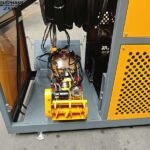
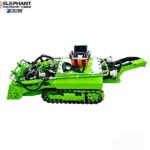
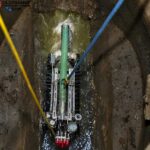
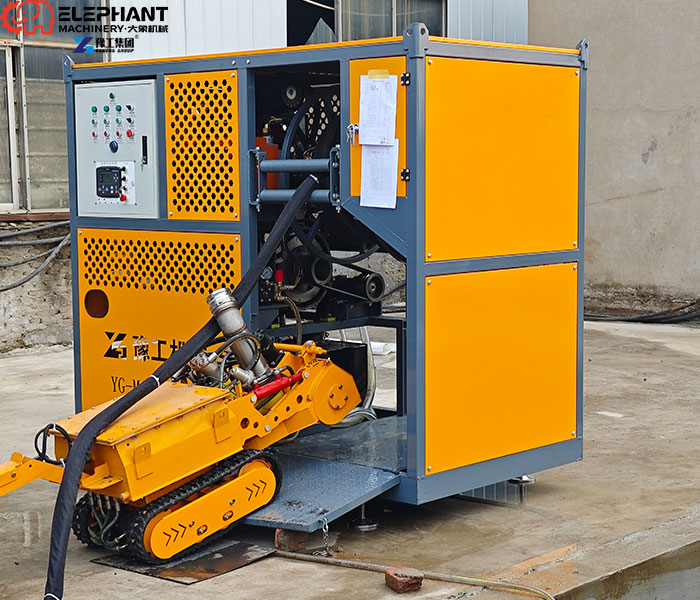
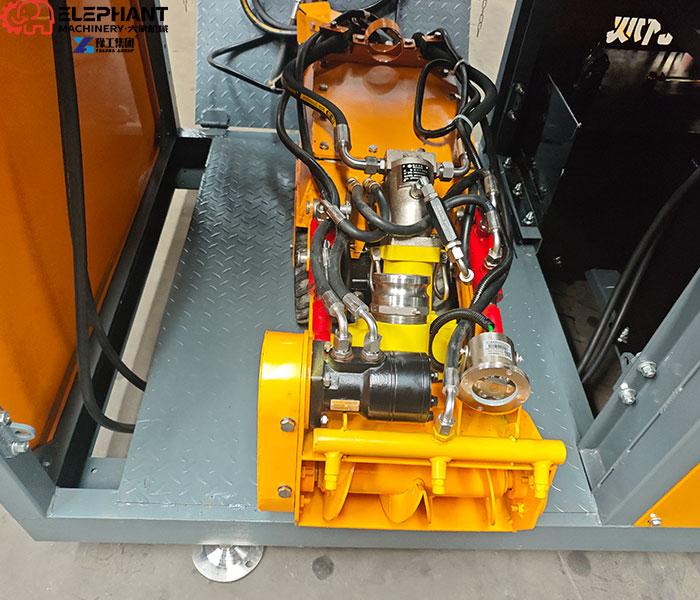
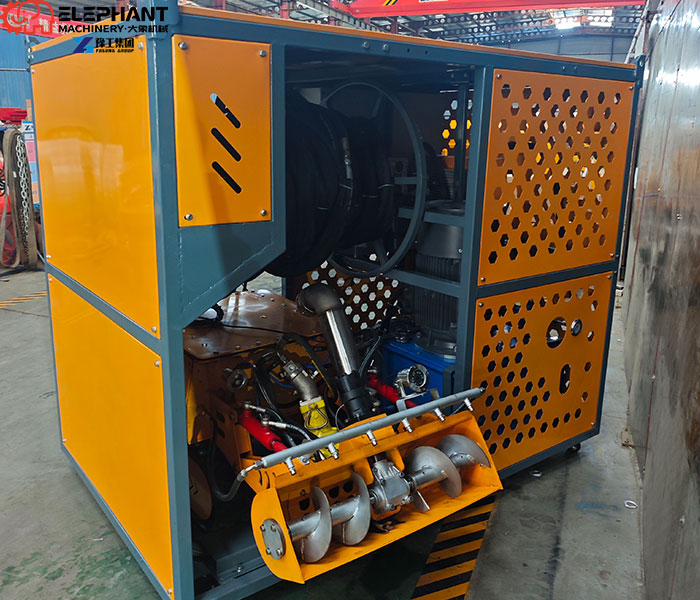
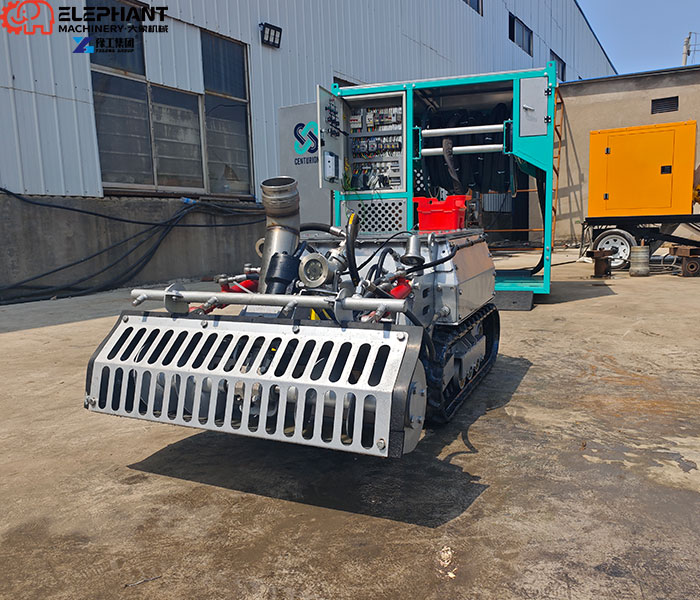
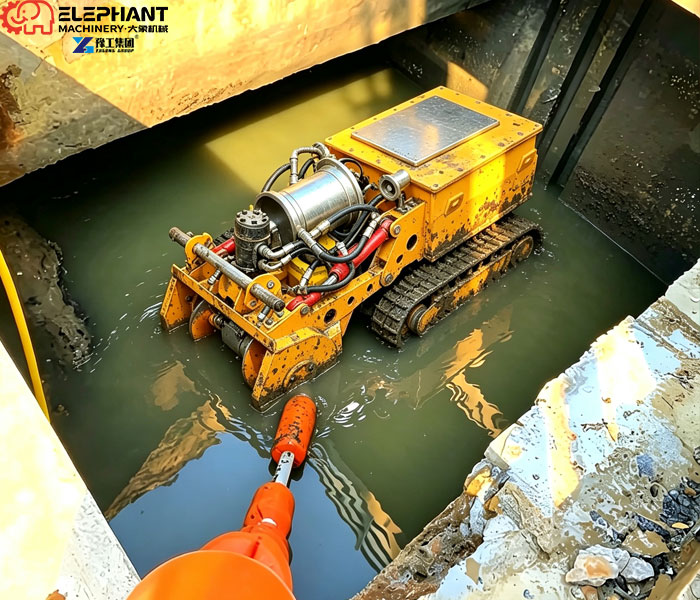
A Stormwater Sediment Removal Robot provides a remote-controlled solution for removing suitable sediment from stormwater drainage structures. The compact crawler robot can enter through an appropriate access point, loosen settled material, and transfer the resulting slurry through a discharge pipeline.
Stormwater Sediment Removal Robot Parameters
| Parameter | YG450 | YG500 | YG600 | YG700 | YG800 | YG900 | YG1200 |
| Robot Dimensions (mm) | ≤1700 × 450 × 450 | 1500 × 500 × 650 | 1500 × 600 × 650 | 1600 × 700 × 650 | 1600 × 850 × 700 | 1650 × 960 × 750 | 1900 × 1200 × 750 |
| Applicable Manhole / Access | ≥600 mm opening | ≥600 mm opening | ≥600 mm opening | ≥700 mm opening | ≥800 mm opening | ≥900 mm opening | Large culvert / open access |
| Dredging Width (mm) | 450 | 500 | 600 | 700 | 800 | 900 | Suitable for large culverts |
| Travel Speed (m/s) | 3–12 | 3–15 | 3–15 | 3–15 | 3–15 | 3–15 | 0–17 m/min |
| Pump Diameter (inch) | 3 | 3 | 3 | 4 | 4 | 4 | 4 or 6 |
| Pump Flow (m³/h) | 50 | 100 | 100 | 160 | 160 | 200 | 250 |
| Pump Head (m) | 0-30 | 0–30 | 0–30 | 0–25 | 0–25 | 0–25 | 0–30 (Horizontal: 100–150 m) |
| Hydraulic Station Dimensions (mm) | 2000 × 1100 × 1500 (recommended) | 2200 × 1200 × 1700 | 2200 × 1200 × 1700 | 2200 × 1200 × 1700 | 2200 × 1200 × 1700 | 2200 × 1200 × 1700 | 2120 × 1240 × 1200 |
| Main Motor Power (kW) | 11–15 kW | 18 | 18 | 22 | 22 | 22 | 45 kW (50 kW) / Diesel 76 kW (123 kW) |
| Hydraulic System Pressure (MPa) | 0–16 | 0–16 | 0–16 | 0–16 | 0–16 | 0–16 | Custom / high-pressure system |
| Particle Size Capacity (mm) | ≤10–20 mm (soft sludge) | 15 | 15 | 40 | 40 | 50 | 0–40 (customizable) |
| Winch Speed (r/min) | 0–10 | 0–10 | 0–10 | 0–10 | 0–10 | 0–10 | 0–10 |
| Pipe Length (m) | 20–30 optional | 30–50 optional | 30–50 optional | 30–50 optional | 30–50 optional | 30–50 optional | 30 m/pack, high-pressure resistant |
| Control System | Wireless Remote Control | Wireless Remote | Wireless Remote | Wireless Remote | Wireless Remote | Wireless Remote | Wireless Remote |
| Lighting System | Underwater LED ×2 | Underwater LED ×2 | Underwater LED ×2 | Underwater LED ×2 | Underwater LED ×2 | Underwater LED ×2 | Underwater LED ×2 |
Get the Right Model for Your Project
How Does a Stormwater Sediment Removal Robot Work?
Stormwater sediment is often different from wastewater sludge. It may contain a high proportion of sand and mineral deposits, and material that remains underwater for a long time can become compacted.
The cleaning process typically includes four steps:
1. Enter the Drainage Structure
The compact robot can be lowered through a suitable manhole or access opening using a crane or hoist.
For example, the YG450 can be evaluated for access openings of approximately 600 mm or more, depending on the actual installation conditions.
2. Move to the Sediment Deposits
The crawler system allows the operator to move the robot along the bottom of a suitable drainage channel, storm drain, culvert, or collection chamber.
3. Loosen and Mobilize Sediment
A cutting attachment or high-pressure water jet can help loosen compacted deposits. If the sediment is too thick for direct pumping, additional water may be required to create a pumpable slurry.
4. Pump the Slurry
A hydraulic transfer pump conveys the mobilized sediment through a discharge pipeline to a designated collection, treatment, or disposal point.
The actual pumping performance depends on sediment consistency, water content, pipeline length, elevation, and pump configuration.
Where Can the Stormwater Sediment Removal Robot Be Used?
The stormwater sediment removal robot is suitable for drainage structures where sediment accumulates and conventional equipment has limited access.
1.Underground Stormwater Channels
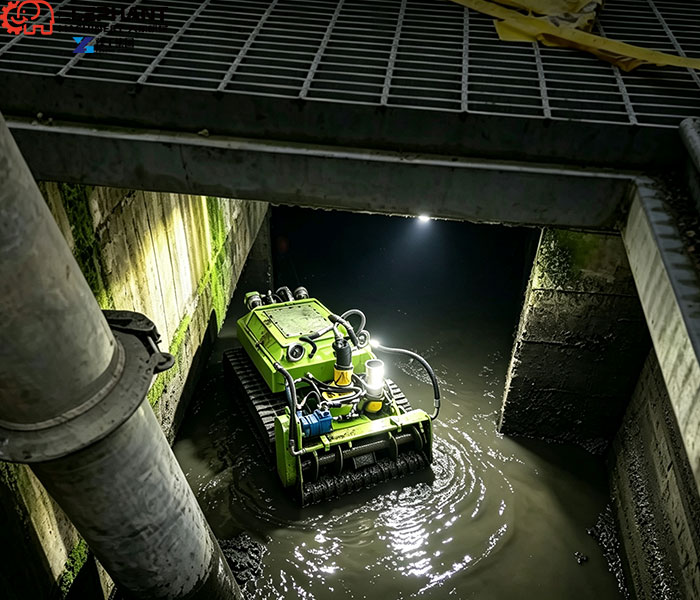
Underground drainage channels can collect sand and silt over long periods while providing only limited access for cleaning equipment. A compact robot can work inside the channel after being introduced through a suitable entrance.
2.Storm Drains and Collection Chambers
Storm drains and collection chambers can trap sediment carried by runoff. The robot can be used to loosen and transfer accumulated deposits where the internal dimensions are suitable.
3.Drainage Culverts
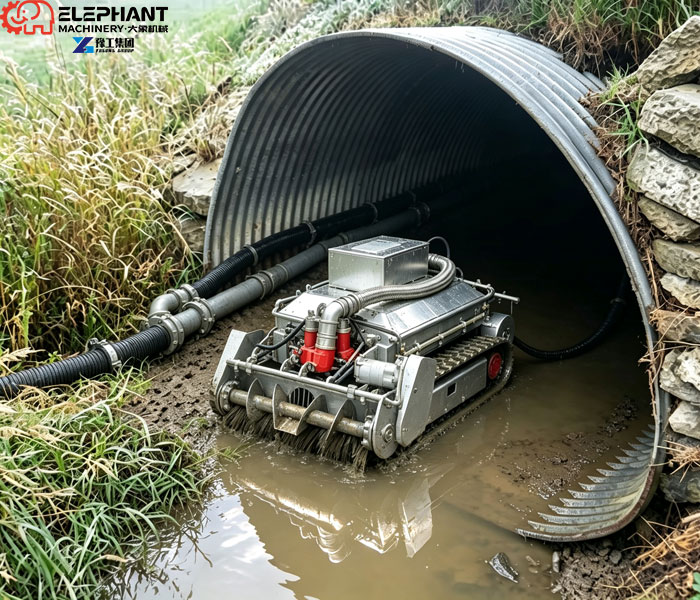
Culverts may collect sediment at low-flow sections. A crawler dredging robot can support sediment removal without requiring large excavation equipment, provided that the culvert dimensions and access conditions are suitable.
A similar remote-controlled storm drain cleaning application was supplied for a project in the UAE. See the UAE storm drain cleaning case.
Key Features of Stormwater Sediment Removal Robot
1.Compact Access
The compact crawler design allows the robot to be considered for drainage structures with restricted entrances. The required opening depends on the selected model.
2.Remote Operation
Operators control the robot from outside the working area, making it suitable for underground and confined drainage environments where direct manual access is difficult.
3.Sediment Loosening and Pumping
The system combines mechanical movement, sediment mobilization, and slurry transfer. This is particularly useful when settled material cannot be removed effectively by suction alone.
4.Flexible Configuration
The robot and pumping system can be evaluated according to the drainage structure, sediment characteristics, working depth, and discharge distance.
How to Select the Right Robot?
The drainage structure should be assessed before selecting the equipment. Key information includes:
| Access | Manhole or entrance dimensions |
| Structure | Channel, storm drain, culvert, or chamber |
| Size | Internal width, height, and depth |
| Sediment | Type, thickness, and consistency |
| Water depth | Normal operating level |
| Cleaning distance | Length of the section |
| Discharge | Pumping distance and elevation |
For narrow stormwater channels, a compact model may be appropriate. Larger drainage structures may require a robot with greater working and pumping capacity.
Stormwater Sediment Removal Robot for Sale
Our remote-controlled dredging robots are designed for suitable sediment removal applications in storm drains, underground drainage channels, culverts, and stormwater collection structures.
To recommend a suitable configuration, provide the drainage opening size, internal dimensions, sediment thickness, water depth, cleaning length, and discharge distance. Photos or drawings of the site are also helpful for technical evaluation.
The robot model, working attachment, pump capacity, and discharge system can then be selected according to the actual stormwater maintenance requirements.
FAQ about Stormwater Sediment Removal Robot
1.What sediment can the robot remove?
It can be configured for suitable deposits such as sand, silt, mud, and mixed stormwater sediment. Large debris, gravel, or heavily compacted material requires project-specific assessment.
2.Can it work in underground stormwater channels?
Yes, provided that the channel dimensions, access opening, water depth, and bottom conditions are suitable for the selected robot.
3.Does sediment need additional water before pumping?
If the sediment is too dense to form a pumpable slurry, additional water or mechanical loosening may be required.
4.How large should the access opening be?
The requirement depends on the robot model. The compact YG450, for example, can be evaluated for suitable openings of approximately 600 mm or more.
Conclusion
A Stormwater Sediment Removal Robot provides a practical approach to maintaining suitable stormwater drainage systems where sediment has accumulated and access is restricted.
By combining compact access, remote operation, sediment loosening, and slurry pumping, the robot can support cleaning work in underground storm drains, drainage channels, culverts, and collection structures.
The correct configuration should always be selected according to the drainage dimensions, sediment conditions, water depth, and pumping requirements.