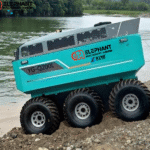
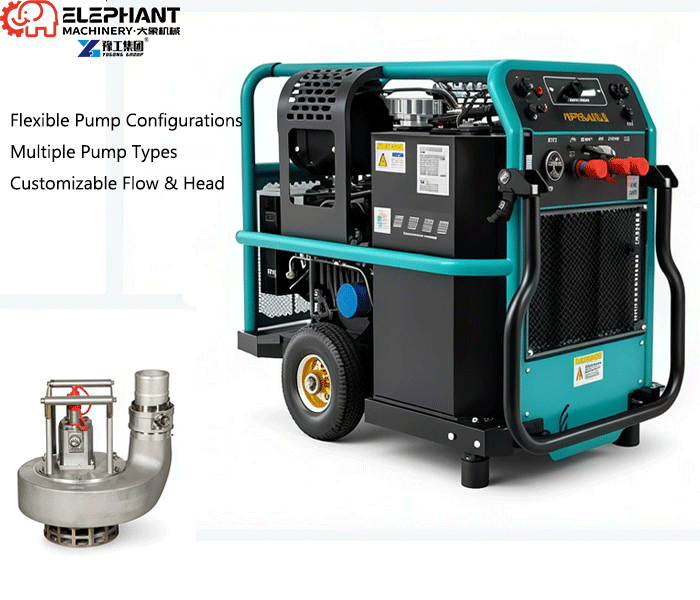
Elephant provides hydraulic pump and power unit combinations for flood control, construction dewatering, muddy water removal and other water pumping applications.
Each combination pairs a gasoline or diesel hydraulic power unit with a suitable drainage pump. Different pump types are available for handling muddy water, large water volumes and higher discharge requirements.
Whether you need a portable drainage setup or a high-capacity pumping configuration, we can help you select the right equipment based on pumping capacity, discharge head and hydraulic requirements.
How Does a Hydraulic Pump and Power Unit Work?
A hydraulic pumping setup consists of three main components:
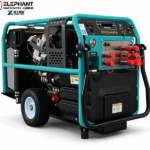
- Hydraulic Power Unit: Provides hydraulic power through a gasoline or diesel engine.
- Hydraulic Hoses: Transfer pressurized hydraulic oil from the power unit to the pump.
- Hydraulic Drainage Pump: Uses hydraulic power to move water, muddy water or slurry through the discharge pipeline.
The power unit drives the hydraulic motor inside the pump. The two units must be matched according to hydraulic flow rate, working pressure and the pump’s operating requirements.
Hydraulic Pump and Power Unit Combinations
Elephant offers different hydraulic pump combinations for various drainage capacities and water conditions.
1. Portable Hydraulic Pump Combination – 75 m³/h
HR13-30PB + TP75-30 Hydraulic Slurry Pump
| Component | Model | Specifications |
|---|---|---|
| Hydraulic Power Unit | HR13-30PB | 13 HP Briggs & Stratton engine |
| Hydraulic Output | — | 30 L/min, max. 140 bar |
| Hydraulic Slurry Pump | TP75-30 | Up to 75 m³/h |
| Maximum Pump Head | — | 24 m |
| Pump Outlet | — | DN75 |
The compact combination is suitable for small-scale water removal, construction site drainage and portable pumping operations. The TP75-30 pump weighs approximately 11 kg and features a quick-connect design for convenient handling.
2. Medium-Capacity Slurry Pump Combination – 240 m³/h
HR18-40PC + TP200-40 Hydraulic Slurry Pump
| Component | Model | Specifications |
|---|---|---|
| Hydraulic Power Unit | HR18-40PC | 18 HP gasoline engine |
| Hydraulic Output | — | 40 L/min, max. 160 bar |
| Hydraulic Slurry Pump | TP200-40 | Up to 240 m³/h |
| Maximum Pump Head | — | 25 m |
| Pump Outlet | — | DN100 |
This combination is designed for construction dewatering, muddy water pumping and medium-volume drainage. The power unit’s 40 L/min output falls within the pump’s required hydraulic flow range of 27–40 L/min.
3. High-Volume Axial Flow Pump Combination – 600 m³/h
HR35-80PB + AFP600-80 Hydraulic Axial Flow Pump
| Component | Model | Specifications |
|---|---|---|
| Hydraulic Power Unit | HR35-80PB | 35 HP gasoline engine |
| Hydraulic Output | — | 2×40 / 1×80 L/min, max. 190 bar |
| Axial Flow Pump | AFP600-80 | Up to 600 m³/h |
| Maximum Pump Head | — | 24 m |
| Pump Outlet | — | DN250 |
The AFP600-80 is designed for high-volume water transfer and large-area drainage. Its maximum rated hydraulic flow requirement is 80–120 L/min. The HR35-80PB is listed with an 80 L/min single-circuit output option, at the lower end of this range.
The actual operating capacity should be confirmed against the pump performance curve and the selected hydraulic configuration.
4. High-Capacity Slurry Pump Combination – 300 m³/h
HR18-40PC + TP300-40 Hydraulic Slurry Pump
| Component | Model | Specifications |
|---|---|---|
| Hydraulic Power Unit | HR18-40PC | 18 HP gasoline engine |
| Hydraulic Output | — | 40 L/min, max. 160 bar |
| Hydraulic Slurry Pump | TP300-40 | Up to 300 m³/h |
| Maximum Pump Head | — | 27 m |
| Pump Outlet | — | DN150 |
The TP300-40 is suitable for pumping muddy water and liquids containing solid particles up to 32 mm. Its required hydraulic flow range is 27–40 L/min, which includes the power unit’s 40 L/min output.
5. Mixed-Flow Pump Combinations – MFP450-50
The MFP450-50 hydraulic mixed-flow pump has a maximum rated capacity of 450 m³/h, a maximum head of 16 m and a DN200 outlet.
It can be considered for different power unit configurations:
| Hydraulic Power Unit | Pump Configuration | Hydraulic Matching |
|---|---|---|
| HR27-60PB | 1 × MFP450-50 | Confirm whether the hydraulic output can meet the pump’s 50–60 L/min requirement |
| HR35-80PB | 2 × MFP450-50 | Requires confirmation of the available flow for each pump and the two-circuit arrangement |
| HR18-40PC | 1 × MFP450-50 | Standard 40 L/min output is below the pump’s 50–60 L/min requirement |
These are optional configurations for further technical matching, not guaranteed standard combinations. The hydraulic power supply and actual pumping performance must be confirmed before selecting the final setup.
For two-pump applications, the hydraulic output must be sufficient for both pumps operating simultaneously. The rated capacity of two pumps should not be treated as the guaranteed system output.
How to Match a Hydraulic Pump with a Power Unit?
Choosing the right hydraulic pump and power unit requires more than comparing engine horsepower or maximum pumping capacity.
Consider these four factors:
1. Pumping Capacity
Estimate the water volume that needs to be removed and the required drainage time. Select a pump with a suitable capacity for the application.
2. Discharge Head
Consider the vertical lifting height, pipeline length and pipe resistance. These factors affect the pump’s actual operating capacity.
3. Water Conditions
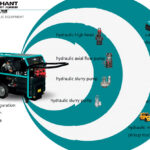
- Muddy water and solid particles: Hydraulic slurry pump
- Large volumes of water: Hydraulic axial flow pump
- High-volume water transfer: Hydraulic mixed-flow pump
- Higher discharge head: Hydraulic high-head pump
4. Hydraulic Flow and Working Pressure
Check the pump’s required hydraulic flow rate and pressure against the power unit’s output. For multiple-pump configurations, also consider the flow available to each pump during simultaneous operation.
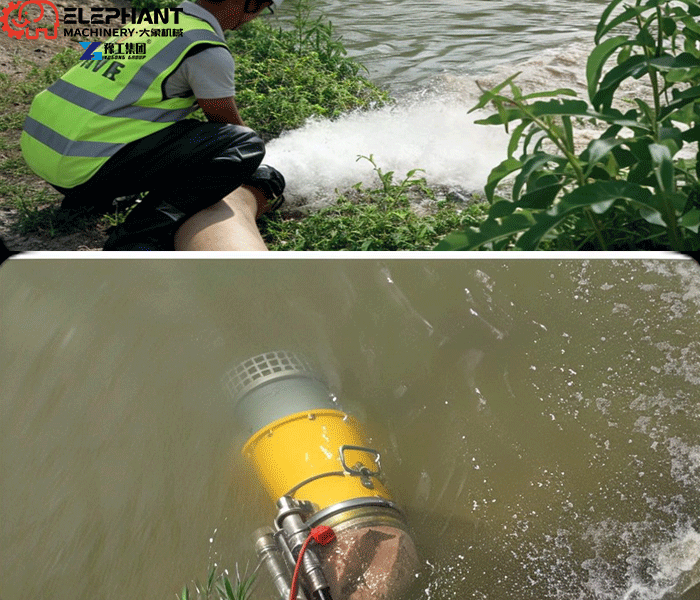
Applications of Hydraulic Pump and Power Unit Combinations
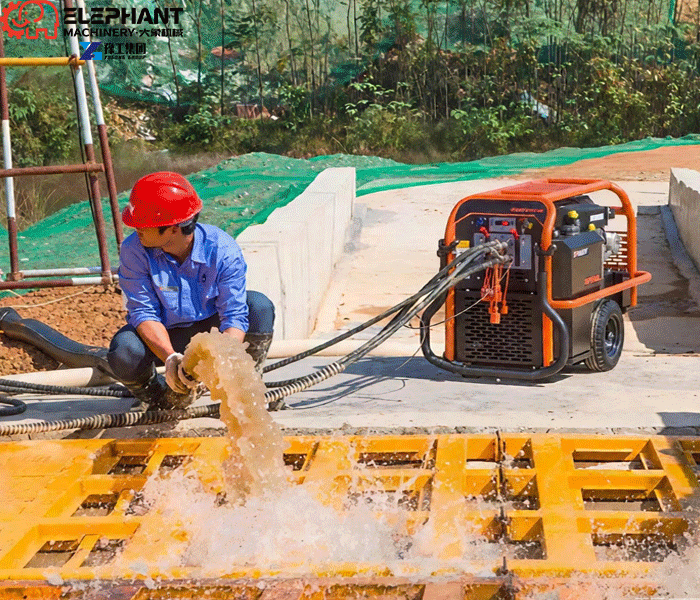
Hydraulic pumping equipment can be configured for different water removal tasks, including:
- Emergency Flood Control: Removing accumulated water from flooded areas.
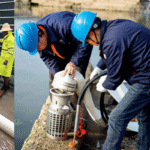
- Construction Site Dewatering: Pumping water from excavations, foundations and construction areas.
- Muddy Water Removal: Handling water containing mud, sand and solid particles.
- Industrial Water Transfer: Moving large volumes of water in industrial and infrastructure projects.
FAQ about Hydraulic Pump and Power Pack
Can one hydraulic power unit operate different drainage pumps?
Yes. A hydraulic power unit can operate different compatible pump models, provided its hydraulic flow, pressure and available power meet the pump requirements.
Can one power unit drive two hydraulic pumps at the same time?
This depends on the power unit’s output capacity and circuit arrangement. The available hydraulic flow must be sufficient for both pumps, with suitable flow controls where required.
How do I choose between a slurry pump and an axial flow pump?
A slurry pump is suitable for muddy water containing solid particles. An axial flow pump is generally selected for moving large volumes of water. The choice also depends on the required pumping head and operating conditions.
Can Elephant customize a hydraulic pump and power unit combination?
Yes. Different pump and power unit models can be considered according to your required pumping capacity, discharge head, water conditions and hydraulic specifications.
Get a Hydraulic Pump and Power Unit Quote
Looking for a suitable hydraulic pump and power unit combination?
Contact Elephant with your required pumping capacity, discharge height, water conditions and application details. Our team can help you select a suitable hydraulic power unit and drainage pump configuration.