Gasoline, Diesel & Electric Drive Options | Hydraulic Flow Rates from 30 to 80 L/min | Multiple Output Configurations
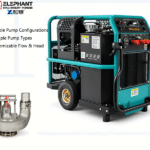
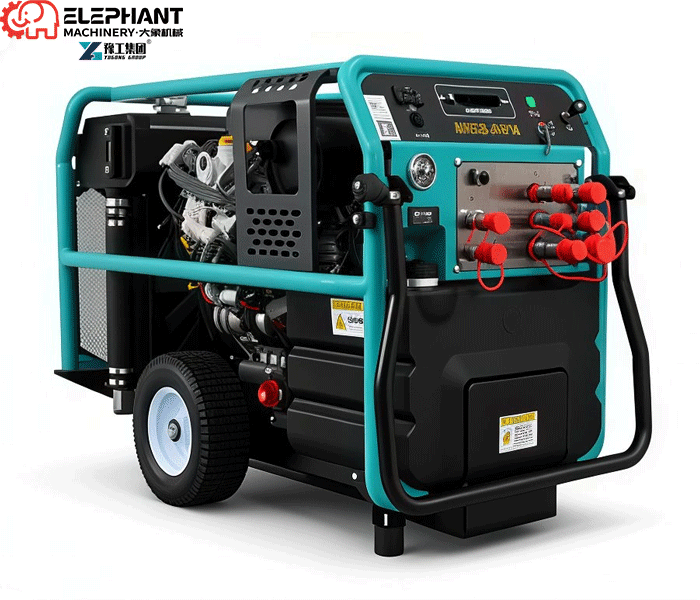
A hydraulic power unit (hydraulic power pack) provides the hydraulic energy needed to operate hydraulic pumps, tools, and other equipment. It converts mechanical power from an engine or electric motor into pressurized hydraulic flow, allowing connected equipment to operate without relying on its own power source.
Elephant offers gasoline, diesel, and electric hydraulic power units with different engine powers, working pressures, and hydraulic flow rates. These units are suitable for drainage operations, emergency rescue, construction, and outdoor hydraulic applications.
Key Features of Elephant Hydraulic Power Units
- Multiple Power Options: Available with gasoline engines, diesel engines, or electric motors to suit different working environments.
- Flexible Hydraulic Output: Different flow rates and working pressures support a range of hydraulic equipment.
- Compact Equipment Design: Selected models feature compact structures for easier transportation and deployment.
- Single or Dual Hydraulic Circuits: Certain models offer dual-circuit output configurations for operating compatible hydraulic equipment.
- Versatile Applications: Can supply hydraulic power to drainage pumps and other compatible hydraulic tools.
Types of Hydraulic Power Units
Elephant provides several types of hydraulic power units to meet different power supply and operating requirements.
1. Gasoline Hydraulic Power Unit
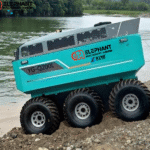
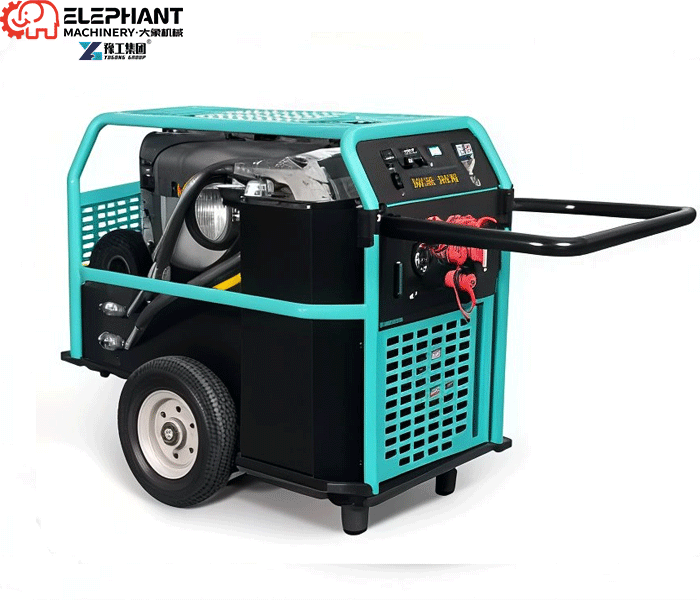
Gasoline hydraulic power units are suitable for outdoor operations and emergency applications, especially where fixed electricity is unavailable.
Available engine options include 13 HP, 18 HP, 23 HP, 27 HP, 35 HP, and 40 HP models. Depending on the configuration, hydraulic flow rates range from 30 to 80 L/min, with maximum working pressures of 140–190 bar.
2. Diesel Hydraulic Power Unit
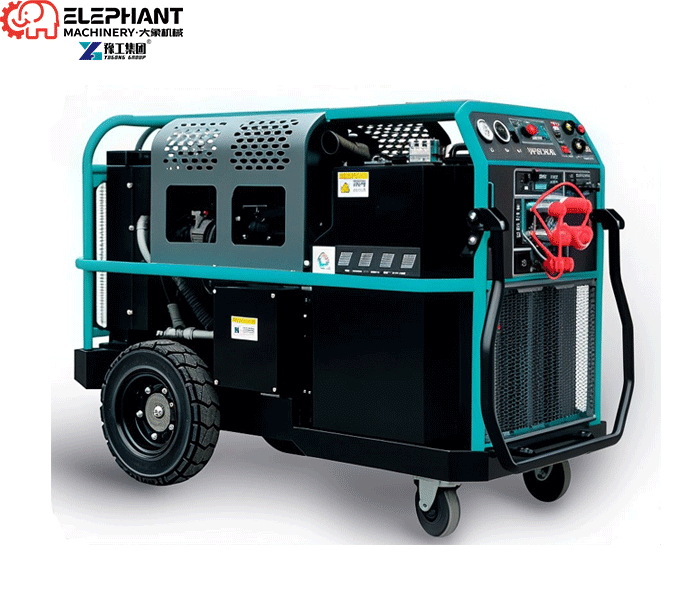
Diesel hydraulic power units provide an alternative for applications requiring diesel engine drive. They are suitable for outdoor work and hydraulic equipment deployment where an electric power supply is not convenient.
Available configurations include 18 HP and higher-power models, with hydraulic output options depending on the model.
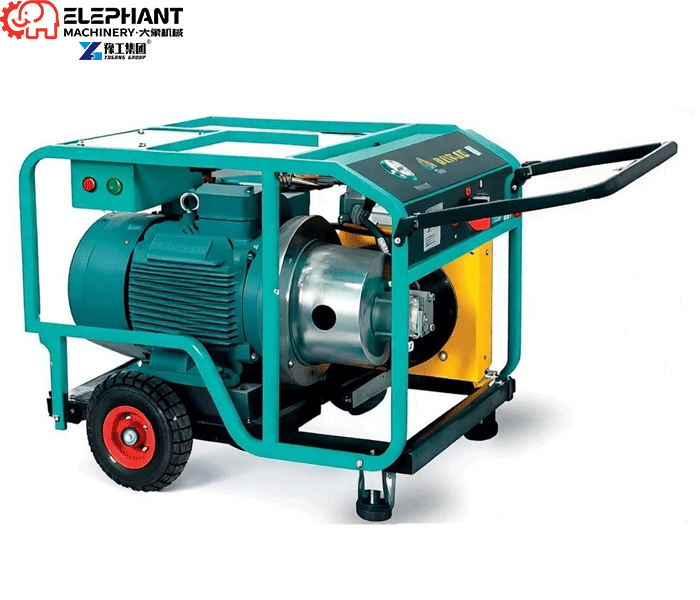
3. Electric Hydraulic Power Unit
Electric hydraulic power units use an electric motor to drive the hydraulic system. They are suitable for sites with a stable electricity supply and applications where electric drive is preferred.
Elephant currently offers 11 kW and 15 kW motor configurations, with hydraulic flow rates of 30 and 40 L/min.
Get the Right Model for Your Project
Hydraulic Power Unit Models and Specifications
The following table provides an overview of available models and their main hydraulic output parameters.
| Model | Power Source | Max. Working Pressure | Hydraulic Flow Rate |
|---|---|---|---|
| HR13-30PB | 13 HP Gasoline | 140 bar | 30 L/min |
| HR18-40PB | 18 HP Gasoline | 160 bar | 40 L/min |
| HR23-40PB | 23 HP Gasoline | 172 bar | 40 L/min |
| HR27-60PB | 27 HP Gasoline | 140 bar | 2 × 30 L/min |
| HR35-80PB | 35 HP Gasoline | 190 bar | 2 × 40 / 1 × 80 L/min |
| HR40-80PB | 40 HP Gasoline | 190 bar | 2 × 40 / 1 × 80 L/min |
| HR18-40DC | 18 HP Diesel | 160 bar | 40 L/min |
| HR15-30E | 11 kW Electric Motor | 155 bar | 30 L/min |
| HR20-40E | 15 kW Electric Motor | 160 bar | 40 L/min |
Specifications are model-dependent. Please contact Elephant for detailed dimensions, weight, tank capacity, engine options, and hydraulic circuit configurations.
Compatible with Different Hydraulic Equipment
A hydraulic power unit can serve as an independent hydraulic power source for compatible equipment. The required hydraulic flow rate and working pressure depend on the connected machine.
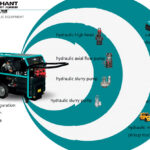
For drainage applications, Elephant offers hydraulic power units matched with different types of hydraulic drainage pumps, including:
- Hydraulic Slurry Pumps: For muddy water, slurry, and water containing sand or sediment.
- Hydraulic Axial Flow Pumps: For high-volume water transfer at relatively low heads.
- Hydraulic Mixed Flow Pumps: For applications requiring a balance between pumping capacity and head.
- Hydraulic High-Head Pumps: For drainage applications requiring greater pumping head.
The hydraulic power unit and pump should be selected as a matched configuration according to the pump’s required flow rate and working pressure.
Explore our Hydraulic Drainage Pumps to find compatible pump options.
Hydraulic Power Unit and Drainage System Combinations
For customers who need a complete drainage setup, Elephant provides hydraulic power unit and pump combinations for different site conditions.
Available configurations cover portable drainage, medium-capacity pumping, high-volume emergency drainage, and slurry removal. System selection depends on the required drainage capacity, pumping head, water conditions, and available hydraulic output.
View our Hydraulic Drainage Solutions for more information about complete equipment configurations.
Applications of Hydraulic Power Units
Elephant hydraulic power units can supply hydraulic energy for compatible equipment in various applications:
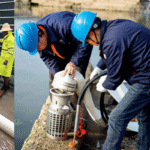
- Emergency Flood Control: Providing hydraulic power for mobile drainage pumps during flooding.
- Municipal Drainage: Supporting road waterlogging and urban drainage operations.
- Construction Dewatering: Removing accumulated water from foundation pits, tunnels, and construction sites.
- Industrial Sludge Removal: Supplying power to compatible hydraulic slurry pumps.
- Outdoor Hydraulic Operations: Driving hydraulic tools and equipment in locations without convenient access to fixed electricity.
How to Choose the Right Hydraulic Power Unit?
Before selecting a hydraulic power unit or hydraulic power pack, consider the following factors:
- Power Source: Choose gasoline, diesel, or electric drive according to the working environment and available energy supply.
- Hydraulic Flow Rate: Match the unit’s output flow with the connected equipment’s hydraulic flow requirements.
- Working Pressure: Ensure the maximum and operating pressure meet the equipment’s requirements.
- Hydraulic Circuit: Determine whether a single-circuit or dual-circuit configuration is needed.
- Mobility and Installation: Consider the unit’s dimensions, weight, and transportation requirements.
For drainage applications, it is particularly important to check the hydraulic power unit and pump as a complete working combination rather than selecting them separately based only on their rated flow figures.
Why Choose Elephant Hydraulic Power Units?
Elephant provides hydraulic power units with multiple drive options and output configurations for different hydraulic applications. Customers can select suitable models based on engine power, hydraulic flow, working pressure, and equipment requirements.
We also offer matched drainage pump configurations to help customers select a suitable hydraulic power source and pumping equipment for their projects.
Looking for a suitable hydraulic power unit? Contact Elephant with your required hydraulic flow rate, working pressure, and equipment type. Our team can help you identify an appropriate model and configuration.
FAQ about Hydraulic Power Pack
1. What is a hydraulic power pack?
A hydraulic power pack, also known as a hydraulic power unit, converts mechanical energy from a gasoline engine, diesel engine, or electric motor into hydraulic energy. It supplies pressurized hydraulic oil to operate compatible pumps, tools, and other hydraulic equipment.
2. What is the difference between a gasoline and diesel hydraulic power unit?
The main difference is the engine power source. Gasoline models are suitable for many mobile outdoor and emergency applications, while diesel models provide an alternative for projects that require diesel-powered equipment. The choice depends on operating conditions and power requirements.
3. Can one hydraulic power unit operate two hydraulic machines?
Some models feature dual hydraulic circuits and can supply two compatible machines. However, the available flow and pressure must be checked against the requirements of both machines. A dual-circuit unit does not automatically provide sufficient output for two machines to operate at their full rated capacity simultaneously.
4. How do I match a hydraulic power unit with a drainage pump?
Check the pump’s required hydraulic flow rate and working pressure, then compare them with the power unit’s available output. Pumping capacity and head should also be considered when selecting a complete drainage system.
5. Does Elephant provide hydraulic power units and drainage pumps together?
Yes. Elephant offers selected hydraulic power unit and drainage pump combinations for different drainage capacities and working conditions. Contact us with your application details for configuration recommendations.