Remote-Controlled Lagoon Dredging Robot for Wastewater Lagoons, Manure Lagoons and Industrial Sediment Removal
Lagoons are widely used in wastewater treatment, livestock farming, biogas production, and industrial processes. However, continuous operation often leads to sludge accumulation, sediment buildup, reduced storage capacity, unpleasant odors, and declining treatment efficiency.
Traditional lagoon cleaning methods usually require draining the lagoon, using large dredging equipment, or sending workers into hazardous environments. These methods are often expensive, time-consuming, and difficult to apply in deep or continuously operating lagoons.
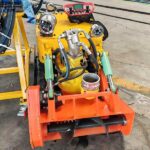
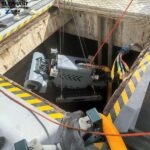
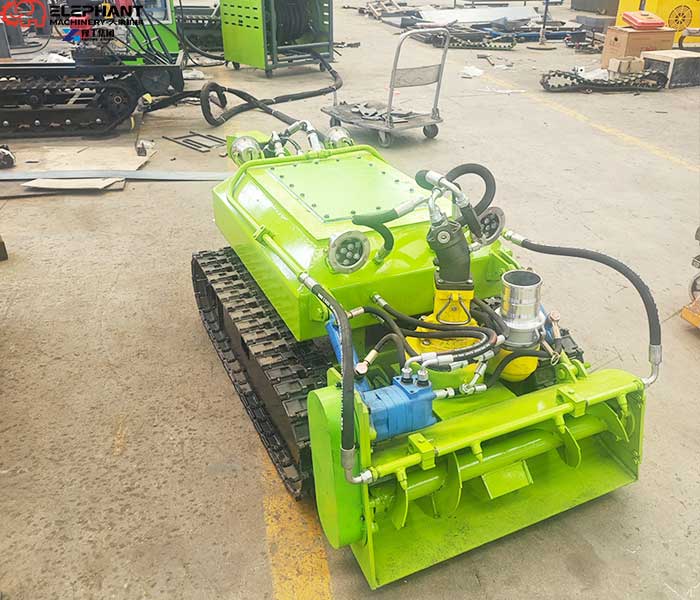
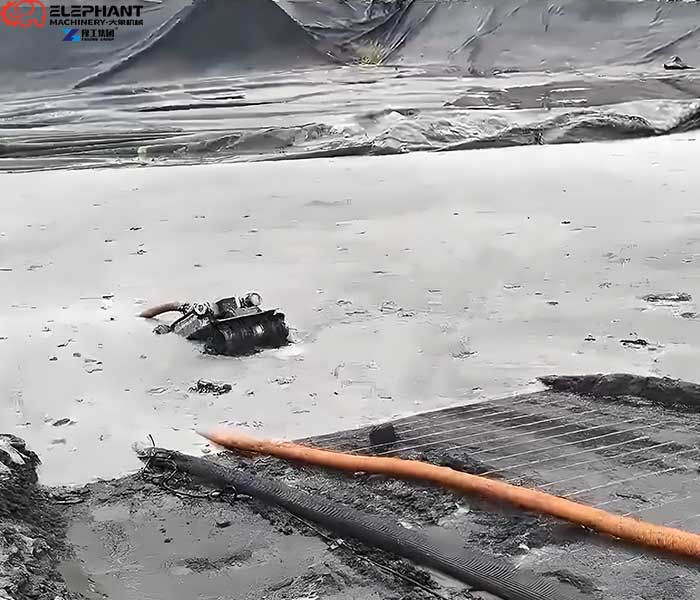
The Lagoon Dredging Robot provides an efficient and safer solution for underwater sludge removal. Equipped with a remote-control system, crawler mobility, and powerful suction technology, the robot can remove accumulated sludge and sediment without stopping lagoon operations or requiring human entry.
Elephant Dredging provides customized lagoon sludge removal solutions for wastewater treatment plants, farms, biogas facilities, and industrial sites.
Lagoon Dredging Robot Parameters
| Parameter | YG450 | YG500 | YG600 | YG700 | YG800 | YG900 | YG1200 |
| Robot Dimensions (mm) | ≤1700 × 450 × 450 | 1500 × 500 × 650 | 1500 × 600 × 650 | 1600 × 700 × 650 | 1600 × 850 × 700 | 1650 × 960 × 750 | 1900 × 1200 × 750 |
| Applicable Manhole / Access | ≥600 mm opening | ≥600 mm opening | ≥600 mm opening | ≥700 mm opening | ≥800 mm opening | ≥900 mm opening | Large culvert / open access |
| Dredging Width (mm) | 450 | 500 | 600 | 700 | 800 | 900 | Suitable for large culverts |
| Travel Speed (m/s) | 3–12 | 3–15 | 3–15 | 3–15 | 3–15 | 3–15 | 0–17 m/min |
| Pump Diameter (inch) | 3 | 3 | 3 | 4 | 4 | 4 | 4 or 6 |
| Pump Flow (m³/h) | 50 | 100 | 100 | 160 | 160 | 200 | 250 |
| Pump Head (m) | 0-30 | 0–30 | 0–30 | 0–25 | 0–25 | 0–25 | 0–30 (Horizontal: 100–150 m) |
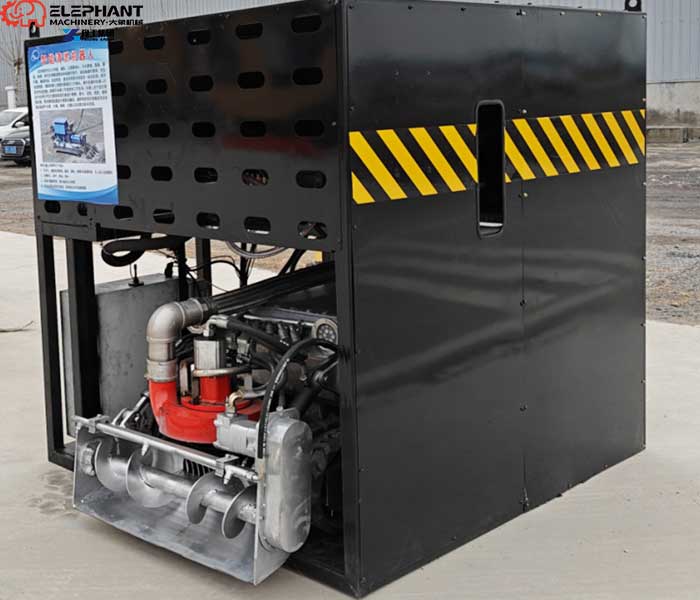
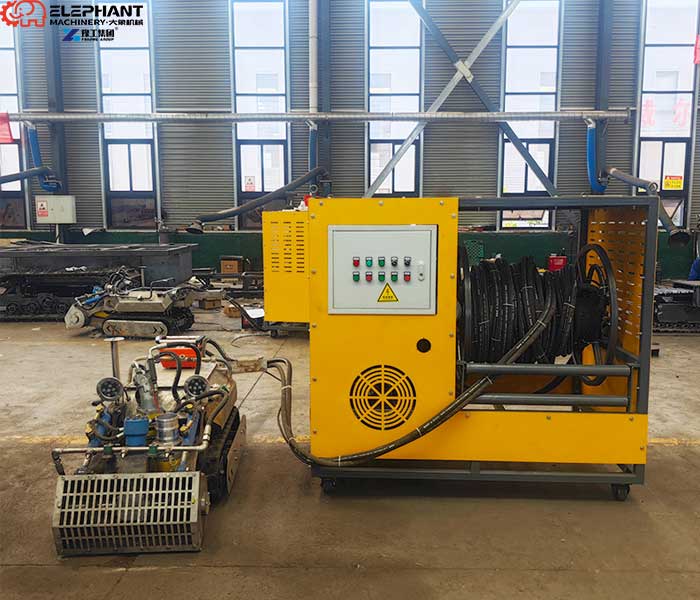
| Hydraulic Station Dimensions (mm) | 2000 × 1100 × 1500 (recommended) | 2200 × 1200 × 1700 | 2200 × 1200 × 1700 | 2200 × 1200 × 1700 | 2200 × 1200 × 1700 | 2200 × 1200 × 1700 | 2120 × 1240 × 1200 |
| Main Motor Power (kW) | 11–15 kW | 18 | 18 | 22 | 22 | 22 | 45 kW (50 kW) / Diesel 76 kW (123 kW) |
| Hydraulic System Pressure (MPa) | 0–16 | 0–16 | 0–16 | 0–16 | 0–16 | 0–16 | Custom / high-pressure system |
| Particle Size Capacity (mm) | ≤10–20 mm (soft sludge) | 15 | 15 | 40 | 40 | 50 | 0–40 (customizable) |
| Winch Speed (r/min) | 0–10 | 0–10 | 0–10 | 0–10 | 0–10 | 0–10 | 0–10 |
| Pipe Length (m) | 20–30 optional | 30–50 optional | 30–50 optional | 30–50 optional | 30–50 optional | 30–50 optional | 30 m/pack, high-pressure resistant |
| Control System | Wireless Remote Control | Wireless Remote | Wireless Remote | Wireless Remote | Wireless Remote | Wireless Remote | Wireless Remote |
| Lighting System | Underwater LED ×2 | Underwater LED ×2 | Underwater LED ×2 | Underwater LED ×2 | Underwater LED ×2 | Underwater LED ×2 | Underwater LED ×2 |
Why Do Lagoons Need Sludge Removal?
Over time, organic matter, suspended solids, sand, and industrial particles gradually settle at the bottom of lagoons. Without regular maintenance, sediment accumulation can create several operational problems:
Reduced Lagoon Capacity
Sludge deposits occupy valuable storage volume, reducing the effective capacity of wastewater lagoons and manure lagoons. This can shorten retention time and affect overall system performance.
Lower Treatment Efficiency
Excessive sediment accumulation may reduce mixing efficiency and create anaerobic zones, affecting biological treatment processes.
Odor and Environmental Issues
Organic sludge decomposition can generate unpleasant odors and increase environmental risks, especially in agricultural manure lagoons and anaerobic digestion systems.
Higher Maintenance Costs
Traditional lagoon dredging often requires draining the lagoon or using heavy machinery, which increases downtime and labor costs.
A professional lagoon dredging robot helps facilities maintain lagoon performance through regular underwater sediment removal without interrupting daily operations.
How Does a Lagoon Dredging Robot Work?
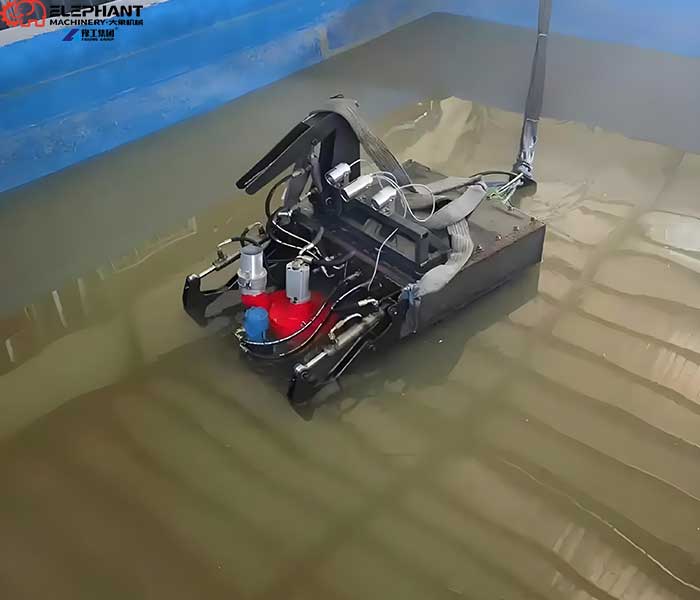
A lagoon dredging robot is a remote-controlled underwater cleaning machine designed to remove sludge, sediment, and organic waste from lagoon bottoms.
The working process includes four main steps:
1. Remote-Controlled Underwater Operation
The operator controls the dredging robot from a safe position outside the lagoon. There is no need for workers to enter dangerous sludge environments.
The remote-control system allows precise movement, making the robot suitable for large lagoons, narrow areas, and complex working conditions.
2. Crawler System for Stable Movement
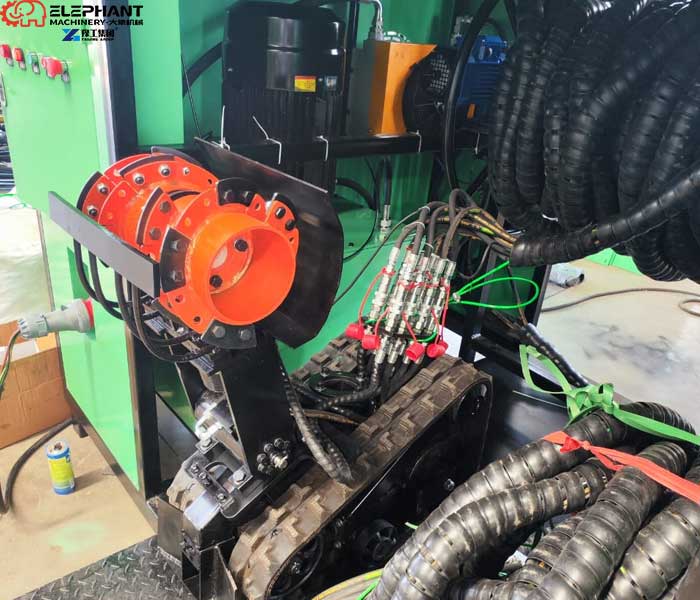
The robot uses a tracked crawler design to move smoothly on muddy and uneven lagoon bottoms.
Compared with traditional floating dredging equipment, the tracked system provides:
- Better stability
- Stronger traction
- Lower risk of sinking
- Ability to operate in thick sludge layers
Rubber crawler tracks can also protect sensitive lagoon liners, including HDPE geomembranes used in many wastewater and agricultural lagoons.
3. Sludge Cutting and Homogenization
Accumulated sludge can become dense and difficult to pump. The dredging robot uses a cutting or mixing mechanism to loosen hardened sediment and improve suction efficiency.
This helps remove:
- Organic sludge
- Activated sludge
- Manure sediment
- Industrial sediment
- Suspended solids
4. High-Efficiency Sludge Transportation
After loosening the sediment, the powerful suction pump transports sludge through pipelines to a designated treatment or disposal area.
The system can be customized according to:
- Sludge characteristics
- Pumping distance
- Lagoon size
- Required capacity
Key Advantages of Lagoon Dredging Robot
No Need to Drain the Lagoon
One of the biggest advantages of a lagoon sludge removal robot is that cleaning can be performed while the lagoon remains in operation.
This means:
- No wastewater interruption
- No long shutdown period
- Lower operational impact
- Reduced cleaning costs
For wastewater treatment facilities and farms, continuous operation is a major advantage.
Safe Alternative to Manual Cleaning
Lagoon cleaning can involve risks such as toxic gases, unstable sludge surfaces, and confined spaces.
The remote-controlled dredging robot eliminates the need for workers to enter lagoons, improving workplace safety.
It is especially suitable for:
- Wastewater lagoons
- Manure lagoons
- Anaerobic digesters
- Industrial settling ponds
Efficient Sediment Removal Performance
Traditional pumps may struggle with thick and compacted sludge. The lagoon dredging robot combines:
- Mechanical sludge breaking
- Powerful suction
- Continuous pumping
- Remote operation
to improve cleaning efficiency.
Depending on project requirements, the system can be customized with different pump capacities, pipeline lengths, and working configurations.
Designed for Different Lagoon Conditions
Every lagoon has different conditions, including sludge thickness, depth, size, and sediment composition.
The dredging robot can be customized for:
- Small agricultural lagoons
- Large wastewater treatment lagoons
- Industrial sediment ponds
- Biogas digestate storage tanks
Customization options include:
- Pump flow capacity
- Working depth
- Pipeline distance
- Explosion-proof configuration
- Stainless steel components
- Control system upgrades
Applications of Lagoon Dredging Robots
Wastewater Treatment Lagoon Cleaning
Municipal and industrial wastewater lagoons often accumulate biological sludge and suspended solids.
A wastewater lagoon dredging robot helps restore lagoon capacity and improve treatment efficiency without interrupting wastewater processing.
Manure Lagoon Sludge Removal
Livestock farms use manure lagoons to store animal waste. Over time, heavy organic solids settle at the bottom and reduce storage capacity.
A manure lagoon cleaning robot provides a safer solution for removing accumulated manure sludge.
Typical applications include:
- Dairy farms
- Pig farms
- Poultry farms
- Agricultural wastewater systems
Biogas Lagoon and Anaerobic Digester Cleaning
Biogas facilities require efficient management of organic sediment accumulation.
A biogas lagoon dredging robot can remove settled digestate and improve system efficiency while reducing manual labor requirements.
Industrial Lagoon Sediment Removal
Industrial sites may generate sediment containing:
- Process waste
- Mineral particles
- Chemical residues
- Suspended solids
The dredging robot provides a flexible solution for industrial lagoon maintenance.
Lagoon Dredging Robot Technical Features
Depending on project requirements, Elephant Dredging robots can be equipped with:
Remote Control Operation
Operators can control the machine from a safe location, reducing risks associated with underwater cleaning.
Heavy-Duty Crawler Design
The crawler structure allows stable movement on soft sludge and muddy surfaces.
Powerful Sludge Suction System
The integrated pump system enables efficient removal of high-concentration sludge.
Waterproof Protection
The electrical and mechanical components are designed for underwater working environments.
Explosion-Proof Options
For applications involving flammable gases, such as certain biogas or industrial environments, explosion-proof configurations can be provided.
Customized Dredging Capacity
Pump flow, discharge distance, and working depth can be adjusted according to customer requirements.
How to Choose the Right Lagoon Dredging Robot?
Before selecting equipment, customers should consider:
1. Lagoon Size and Depth
Large lagoons may require higher-capacity pumps and longer pipeline systems.
2. Sludge Characteristics
Different sludge types require different solutions:
- Soft organic sludge
- Thick manure sediment
- Industrial sludge
- Sand-containing sediment
3. Required Cleaning Frequency
Facilities with continuous sediment accumulation may benefit from scheduled robotic dredging.
4. Discharge Distance
The required pumping distance affects equipment configuration and pump selection.
A professional supplier can recommend the most suitable sediment removal robot for lagoons based on actual site conditions.
Why Choose Elephant Dredging Lagoon Cleaning Solutions?
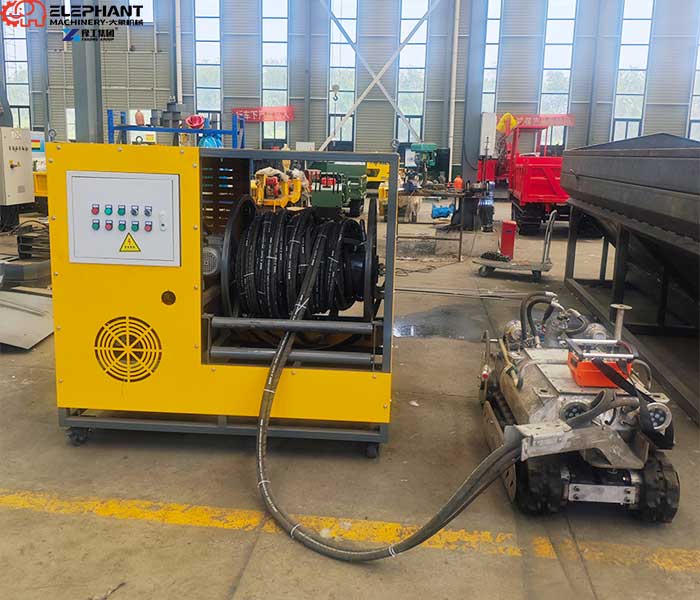
Elephant Dredging specializes in intelligent dredging equipment and remote-controlled sludge removal solutions.
Our lagoon dredging robots are designed to help customers solve common challenges:
- Difficult underwater cleaning
- Dangerous manual operation
- High maintenance costs
- Sediment accumulation problems
With customized designs, strong pumping systems, and remote-control technology, our solutions support efficient lagoon maintenance in agriculture, wastewater treatment, and industrial applications.
FAQ About Lagoon Dredging Robot
Can a lagoon dredging robot work without draining the lagoon?
Yes. The robot is designed for underwater operation and can remove sludge while the lagoon remains filled.
What types of sludge can the robot remove?
The lagoon dredging robot can handle various materials, including organic sludge, manure sediment, wastewater sludge, and industrial sediment.
Is the dredging robot safe for HDPE-lined lagoons?
Yes. The robot can be equipped with crawler tracks designed to reduce damage risks to lagoon liners.
How much sludge can a lagoon dredging robot remove?
The capacity depends on the selected model, pump configuration, sludge condition, and transportation distance. Customized solutions are available according to project requirements.
Can the robot be used for manure lagoon cleaning?
Yes. It is widely suitable for livestock manure lagoons, including dairy farm and agricultural wastewater applications.
Conclusioagoon dredging robot in Elephant Dredging
A lagoon dredging robot provides a modern solution for removing accumulated sludge and sediment from wastewater lagoons, manure lagoons, biogas facilities, and industrial ponds.
By combining remote control operation, crawler mobility, powerful suction, and customized configurations, the system helps facilities improve lagoon performance while reducing safety risks and maintenance costs.
For customers looking for an efficient lagoon sludge removal robot or automated sediment cleaning solution, Elephant Dredging provides professional equipment design and customized dredging solutions.