Underwater sediment accumulation is a common challenge in lakes, reservoirs, wastewater basins, aquaculture ponds, and mining ponds. Over time, sludge, silt, and organic deposits can reduce water capacity, affect water quality, and decrease the efficiency of industrial facilities.
Traditional underwater cleaning methods often require large dredging equipment, water drainage, or complex site preparation. These approaches may not be suitable for small water areas, confined underwater spaces, or projects requiring precise sediment removal.
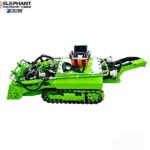
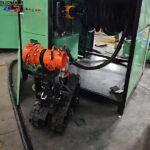
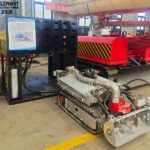
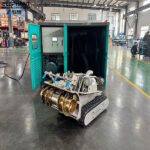
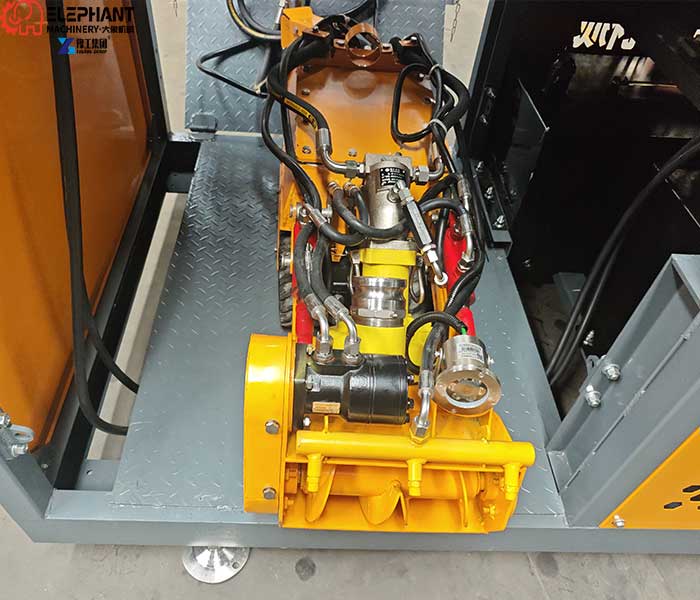
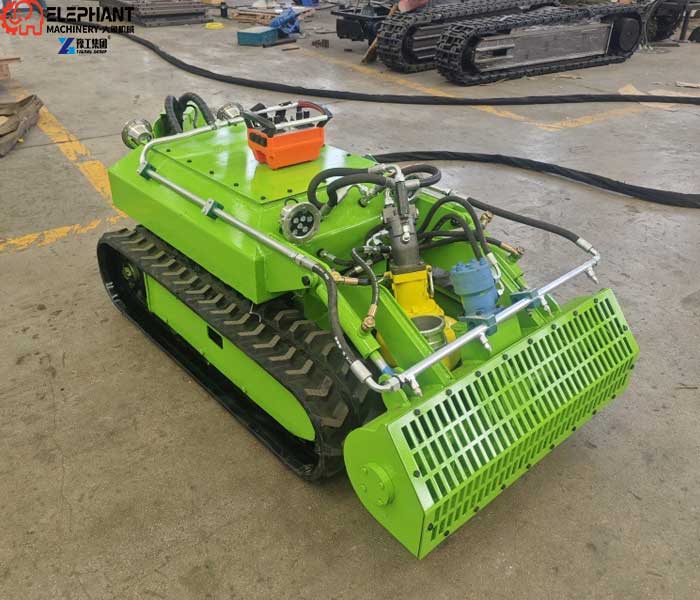
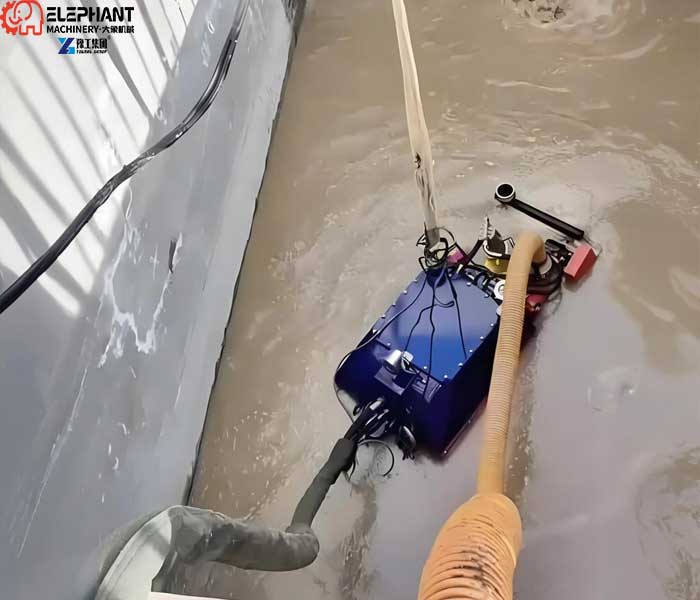
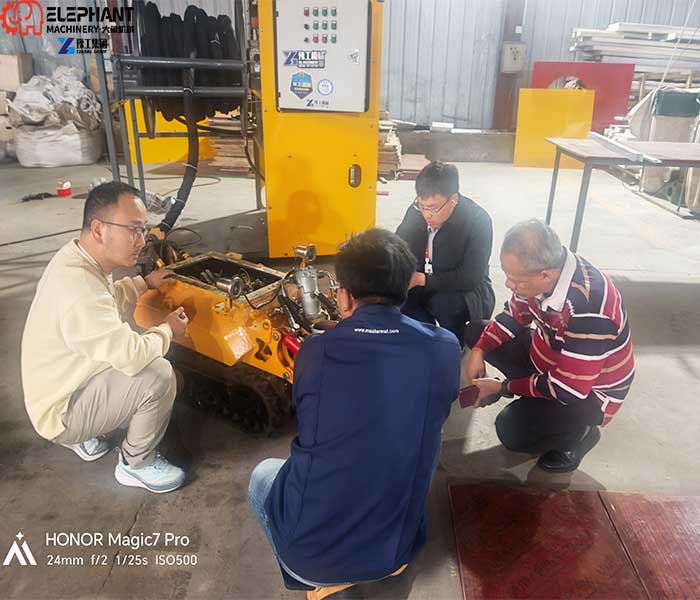
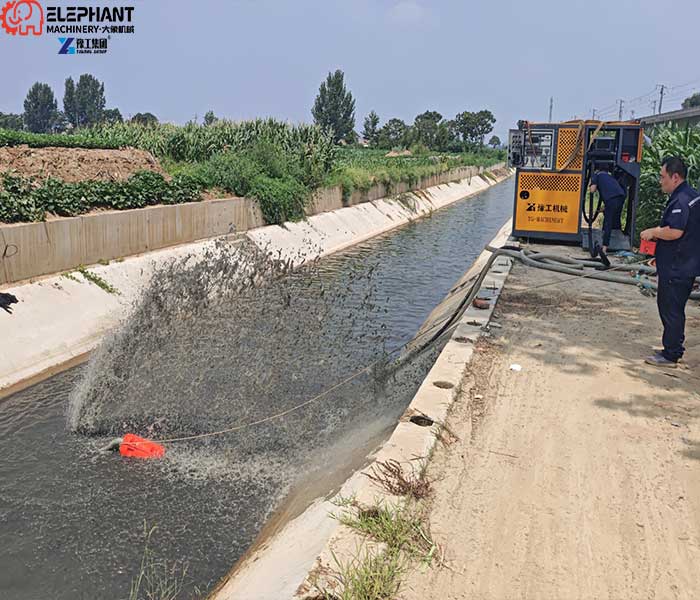
The underwater dredging robot provides an efficient solution for removing underwater sludge and sediment. With a waterproof structure, crawler mobility, underwater camera system, and powerful suction technology, it can operate directly in submerged environments and perform targeted cleaning without disturbing surrounding areas.
Elephant Dredging provides customized underwater dredging robot solutions for lake restoration, reservoir maintenance, wastewater treatment, aquaculture pond cleaning, and mining sediment removal projects.
Underwater Dredging Robot Parameters
| Parameter | YG450 | YG500 | YG600 | YG700 | YG800 | YG900 | YG1200 |
| Robot Dimensions (mm) | ≤1700 × 450 × 450 | 1500 × 500 × 650 | 1500 × 600 × 650 | 1600 × 700 × 650 | 1600 × 850 × 700 | 1650 × 960 × 750 | 1900 × 1200 × 750 |
| Applicable Manhole / Access | ≥600 mm opening | ≥600 mm opening | ≥600 mm opening | ≥700 mm opening | ≥800 mm opening | ≥900 mm opening | Large culvert / open access |
| Dredging Width (mm) | 450 | 500 | 600 | 700 | 800 | 900 | Suitable for large culverts |
| Travel Speed (m/s) | 3–12 | 3–15 | 3–15 | 3–15 | 3–15 | 3–15 | 0–17 m/min |
| Pump Diameter (inch) | 3 | 3 | 3 | 4 | 4 | 4 | 4 or 6 |
| Pump Flow (m³/h) | 50 | 100 | 100 | 160 | 160 | 200 | 250 |
| Pump Head (m) | 0-30 | 0–30 | 0–30 | 0–25 | 0–25 | 0–25 | 0–30 (Horizontal: 100–150 m) |
| Hydraulic Station Dimensions (mm) | 2000 × 1100 × 1500 (recommended) | 2200 × 1200 × 1700 | 2200 × 1200 × 1700 | 2200 × 1200 × 1700 | 2200 × 1200 × 1700 | 2200 × 1200 × 1700 | 2120 × 1240 × 1200 |
| Main Motor Power (kW) | 11–15 kW | 18 | 18 | 22 | 22 | 22 | 45 kW (50 kW) / Diesel 76 kW (123 kW) |
| Hydraulic System Pressure (MPa) | 0–16 | 0–16 | 0–16 | 0–16 | 0–16 | 0–16 | Custom / high-pressure system |
| Particle Size Capacity (mm) | ≤10–20 mm (soft sludge) | 15 | 15 | 40 | 40 | 50 | 0–40 (customizable) |
| Winch Speed (r/min) | 0–10 | 0–10 | 0–10 | 0–10 | 0–10 | 0–10 | 0–10 |
| Pipe Length (m) | 20–30 optional | 30–50 optional | 30–50 optional | 30–50 optional | 30–50 optional | 30–50 optional | 30 m/pack, high-pressure resistant |
| Control System | Wireless Remote Control | Wireless Remote | Wireless Remote | Wireless Remote | Wireless Remote | Wireless Remote | Wireless Remote |
| Lighting System | Underwater LED ×2 | Underwater LED ×2 | Underwater LED ×2 | Underwater LED ×2 | Underwater LED ×2 | Underwater LED ×2 | Underwater LED ×2 |
Get the Right Model for Your Project
Challenges of Underwater Sludge and Sediment Removal
Removing sediment from underwater environments is more complicated than traditional surface cleaning.
Poor Visibility Underwater
Underwater conditions often include:
- Low visibility
- Suspended particles
- Uneven sediment layers
- Hidden obstacles
Without proper monitoring technology, operators cannot accurately identify sludge accumulation areas.
Difficult Sediment Access
Sediment usually settles at the bottom of:
- Lakes
- Reservoirs
- Treatment ponds
- Industrial basins
Large dredging equipment may have difficulty reaching narrow or shallow areas, while draining water can be expensive and time-consuming.
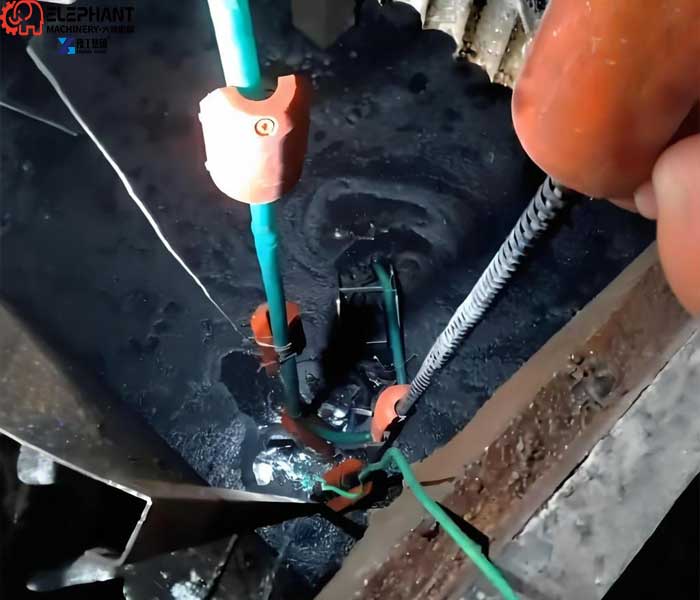
Unstable Muddy Working Conditions
Soft sediment creates challenges for underwater equipment.
Machines need sufficient traction and stability to:
- Move across muddy surfaces
- Maintain working positions
- Avoid sinking into soft sludge layers
This is why specialized underwater cleaning equipment is required.
How Does an Underwater Dredging Robot Work?
An underwater dredging robot combines underwater mobility, sediment loosening, and suction technology to remove accumulated deposits.
The main working process includes:
1. Stable Underwater Movement
The robot uses a hydraulic crawler system to move across underwater surfaces.
Compared with traditional wheeled equipment, crawler movement provides:
- Better ground contact
- Higher stability on soft mud
- Improved movement accuracy
This allows the robot to operate effectively on uneven underwater terrain.
2. Sediment Loosening and Collection
When sediment becomes compacted, direct suction efficiency may decrease.
The robot can use a high pressure water jet to loosen:
- Hardened sludge
- Compact sediment
- Bottom deposits
After loosening, the material becomes easier to collect and transport.
3. Underwater Sludge Suction
The integrated sludge suction pump collects loosened sediment and transfers it through discharge pipelines.
The system is suitable for removing:
- Lake bottom sludge
- Reservoir sediment
- Wastewater deposits
- Organic pond sludge
- Industrial sediment
4. Real-Time Underwater Monitoring
The underwater camera system helps operators understand actual working conditions below the water surface.
It provides visibility for:
- Locating sediment areas
- Monitoring cleaning progress
- Adjusting operation paths
- Improving cleaning accuracy
This is especially valuable in deep water or low-visibility environments.
Key Technologies of Underwater Dredging Robot
Waterproof Design for Continuous Underwater Operation
A reliable underwater cleaning machine must withstand long-term exposure to water.
The underwater dredging robot adopts:
- Waterproof electrical protection
- Sealed components
- Corrosion-resistant materials
- Durable mechanical structure
These features help maintain stable operation in wet and harsh environments.
Hydraulic Crawler System for Soft Sediment Areas
Underwater surfaces are often unstable due to mud and loose sediment.
The hydraulic crawler system improves:
- Traction capability
- Movement stability
- Operation precision
It allows the robot to travel across areas where conventional equipment may struggle.
Underwater Camera System for Accurate Cleaning
Visibility is critical for underwater sediment removal.
The camera system enables:
- Real-time underwater observation
- Precise positioning
- Better cleaning control
Operators can identify where sediment has accumulated and optimize the cleaning process.
Powerful Sludge Suction System
The suction system is designed for continuous sediment transportation.
Depending on project requirements, the system can be customized for:
- Different sludge types
- Various pumping distances
- Different cleaning capacities
Applications of Underwater Dredging Robot
Lake Sediment Removal
Lakes gradually accumulate organic matter, silt, and sediment.
A lake dredging robot provides an effective method for:
- Removing bottom deposits
- Improving water circulation
- Supporting lake restoration projects
It is suitable for urban lakes, landscape ponds, and ecological water areas.
Reservoir Sediment Management
Sedimentation reduces reservoir storage capacity over time.
An underwater dredging robot can assist with:
- Reservoir sediment removal
- Water infrastructure maintenance
- Long-term sediment management
It provides a flexible solution for areas where traditional dredging equipment is difficult to access.
Wastewater Basin Cleaning
Wastewater treatment facilities often experience continuous sludge accumulation.
The robot can be applied for:
- Sedimentation tank cleaning
- Sludge removal
- Treatment pond maintenance
It helps maintain efficient operation of wastewater systems.
Aquaculture Pond Cleaning
Aquaculture ponds accumulate:
- Fish waste
- Organic sludge
- Feed residue
A specialized underwater dredging robot can remove bottom sludge while reducing disturbance to pond operations.
Mining Tailings Pond Dredging
Mining tailings ponds contain fine particles and heavy sediment deposits.
The underwater dredging robot can assist with:
- Tailings sediment removal
- Pond maintenance
- Sludge recovery
The crawler design provides better adaptability in soft mining sediment environments.
Underwater Dredging Robot vs Traditional Sediment Removal Methods
| Access to small areas | Limited | Flexible operation |
| Water drainage requirement | Sometimes required | Can operate underwater |
| Sediment monitoring | Limited visibility | Camera-assisted monitoring |
| Surface disturbance | Higher in some applications | More targeted cleaning |
| Operation flexibility | Depends on large equipment | Suitable for complex environments |
How to Choose the Right Underwater Dredging Robot?
Selecting the correct underwater dredging solution depends on several factors:
Water Environment
Consider:
- Lake
- Reservoir
- Wastewater basin
- Industrial pond
- Mining pond
Different environments require different configurations.
Sediment Characteristics
The type of material affects equipment selection:
- Soft sludge
- Dense sediment
- Sand deposits
- Organic waste
Cleaning Area and Working Conditions
Important factors include:
- Water depth
- Cleaning range
- Pipeline distance
- Required capacity
Elephant Dredging provides customized recommendations based on actual project requirements.
Why Choose Elephant Dredging Underwater Cleaning Solutions?
Elephant Dredging specializes in intelligent dredging equipment designed for challenging sediment removal projects.
Our advantages include:
✔ Professional underwater dredging technology
✔ Customized robot configurations
✔ Advanced sludge suction systems
✔ Solutions for water, industrial, and mining applications
✔ Technical support from project evaluation to operation
Whether you need lake sediment removal, reservoir cleaning, wastewater sludge removal, or mining tailings pond maintenance, Elephant Dredging can provide a suitable underwater cleaning solution.
FAQ About Underwater Dredging Robot
Can an underwater dredging robot work continuously underwater?
Yes. The robot is designed for underwater operation with waterproof components and durable mechanical systems.
What types of sediment can the robot remove?
It can remove various underwater deposits, including:
- Sludge
- Silt
- Organic sediment
- Wastewater deposits
- Mining tailings sediment
Can it clean lakes and reservoirs?
Yes. The underwater dredging robot is suitable for lake restoration, reservoir sediment removal, and other underwater cleaning applications.
Does the robot require draining the water before cleaning?
No. One of the main advantages is that it can operate directly underwater without requiring complete water drainage.
Conclusion
The underwater dredging robot provides a modern solution for removing sludge and sediment in challenging underwater environments. Through waterproof design, crawler-based mobility, underwater monitoring, and efficient suction technology, it enables precise and reliable sediment removal.
From lake restoration and reservoir maintenance to wastewater treatment and mining applications, underwater robotic cleaning technology offers a more flexible approach than traditional dredging methods.
Contact Elephant Dredging to discuss your underwater sediment removal requirements and find the right robotic solution.