A Smarter Solution for Sediment Accumulation Problems
Sediment accumulation is a long-term challenge for reservoirs, ponds, lakes, and water management facilities. Over time, soil erosion, suspended particles, and organic materials gradually settle at the bottom, causing reduced water storage capacity, poor water quality, and increased maintenance costs.
Traditional dredging methods usually require large equipment, extensive preparation, and sometimes complete drainage of the water body. These approaches can be expensive, disruptive, and difficult to apply in environmentally sensitive areas.
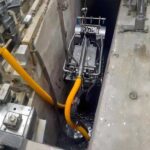
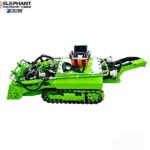
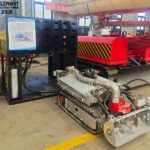
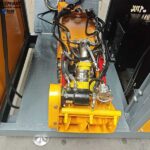
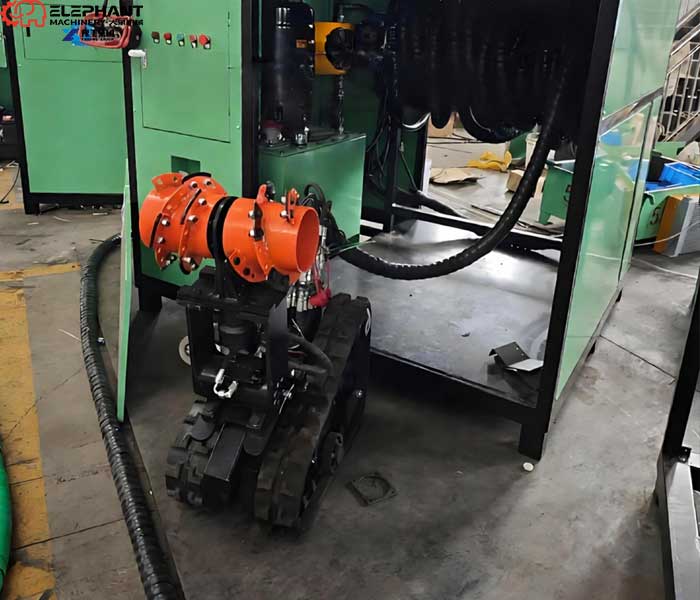
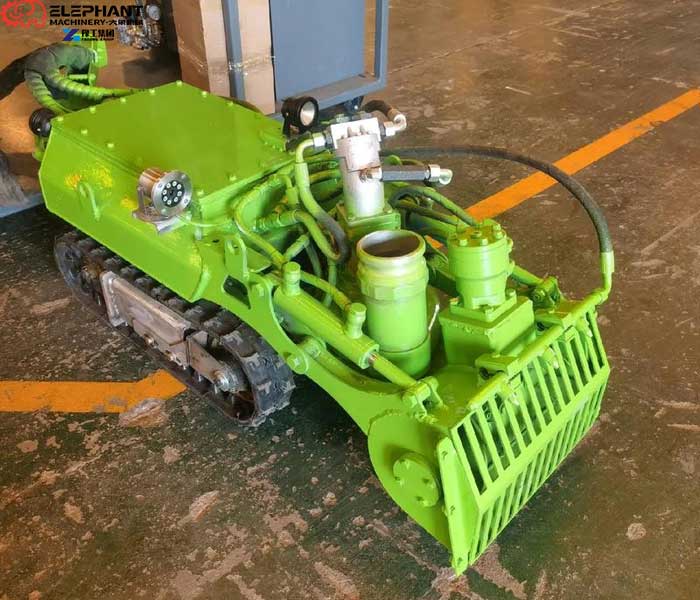
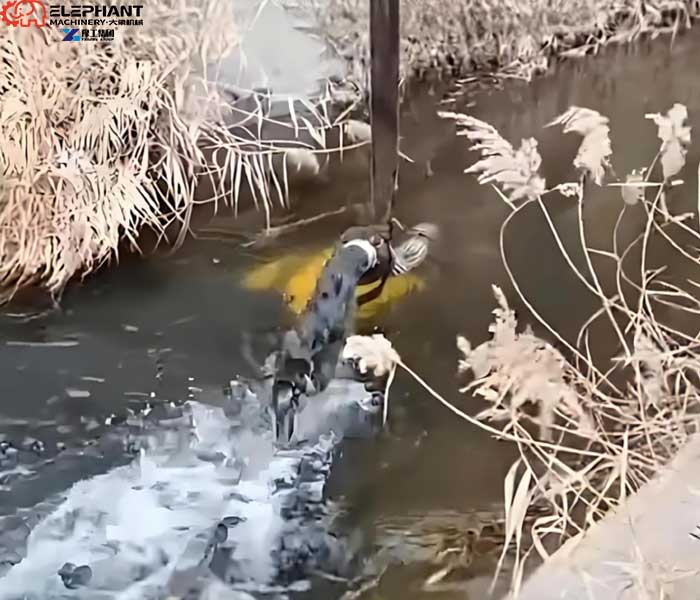
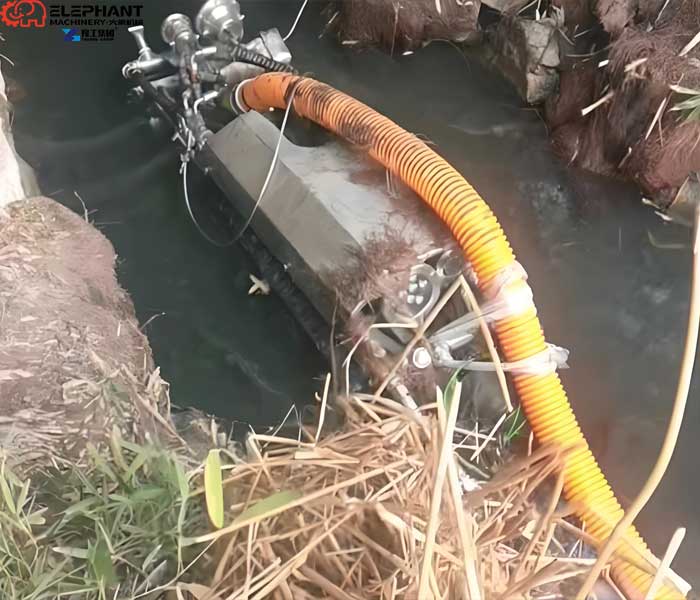
A desilting robot provides a modern alternative by using remote-controlled underwater technology to remove accumulated sediment without draining the entire water area. With crawler mobility, powerful suction capability, and flexible operation, it allows operators to restore water capacity and maintain infrastructure more efficiently.
From hydropower reservoirs to industrial ponds and wastewater facilities, desilting robots are becoming an important solution for sustainable sediment management.
Desilting Robot Parameters
| Parameter | YG450 | YG500 | YG600 | YG700 | YG800 | YG900 | YG1200 |
| Robot Dimensions (mm) | ≤1700 × 450 × 450 | 1500 × 500 × 650 | 1500 × 600 × 650 | 1600 × 700 × 650 | 1600 × 850 × 700 | 1650 × 960 × 750 | 1900 × 1200 × 750 |
| Applicable Manhole / Access | ≥600 mm opening | ≥600 mm opening | ≥600 mm opening | ≥700 mm opening | ≥800 mm opening | ≥900 mm opening | Large culvert / open access |
| Dredging Width (mm) | 450 | 500 | 600 | 700 | 800 | 900 | Suitable for large culverts |
| Travel Speed (m/s) | 3–12 | 3–15 | 3–15 | 3–15 | 3–15 | 3–15 | 0–17 m/min |
| Pump Diameter (inch) | 3 | 3 | 3 | 4 | 4 | 4 | 4 or 6 |
| Pump Flow (m³/h) | 50 | 100 | 100 | 160 | 160 | 200 | 250 |
| Pump Head (m) | 0-30 | 0–30 | 0–30 | 0–25 | 0–25 | 0–25 | 0–30 (Horizontal: 100–150 m) |
| Hydraulic Station Dimensions (mm) | 2000 × 1100 × 1500 (recommended) | 2200 × 1200 × 1700 | 2200 × 1200 × 1700 | 2200 × 1200 × 1700 | 2200 × 1200 × 1700 | 2200 × 1200 × 1700 | 2120 × 1240 × 1200 |
| Main Motor Power (kW) | 11–15 kW | 18 | 18 | 22 | 22 | 22 | 45 kW (50 kW) / Diesel 76 kW (123 kW) |
| Hydraulic System Pressure (MPa) | 0–16 | 0–16 | 0–16 | 0–16 | 0–16 | 0–16 | Custom / high-pressure system |
| Particle Size Capacity (mm) | ≤10–20 mm (soft sludge) | 15 | 15 | 40 | 40 | 50 | 0–40 (customizable) |
| Winch Speed (r/min) | 0–10 | 0–10 | 0–10 | 0–10 | 0–10 | 0–10 | 0–10 |
| Pipe Length (m) | 20–30 optional | 30–50 optional | 30–50 optional | 30–50 optional | 30–50 optional | 30–50 optional | 30 m/pack, high-pressure resistant |
| Control System | Wireless Remote Control | Wireless Remote | Wireless Remote | Wireless Remote | Wireless Remote | Wireless Remote | Wireless Remote |
| Lighting System | Underwater LED ×2 | Underwater LED ×2 | Underwater LED ×2 | Underwater LED ×2 | Underwater LED ×2 | Underwater LED ×2 | Underwater LED ×2 |
Get the Right Model for Your Project
What Is a Desilting Robot?
A desilting robot is a remote-controlled underwater machine designed to remove accumulated sediment, silt, and sludge from water bodies and industrial facilities.
Unlike traditional dredging equipment that often requires large floating platforms or extensive site preparation, a desilting robot operates directly underwater and performs sediment removal through a compact crawler system and pumping unit.
The main working functions include:
- Moving across underwater sediment surfaces
- Breaking compacted silt and sludge deposits
- Mixing sediment into pumpable slurry
- Transferring removed material through pipelines
Depending on project requirements, a desilting robot can be used for:
- Reservoir sediment removal
- Pond and lake cleaning
- Sedimentation tank maintenance
- Industrial water facility cleaning
Its remote-control design also reduces the need for workers to enter dangerous or difficult operating environments.
How Does a Desilting Robot Work?
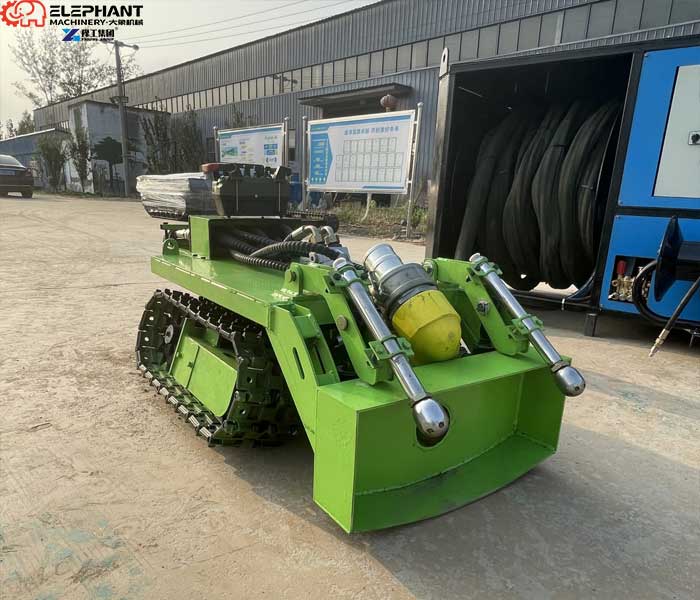
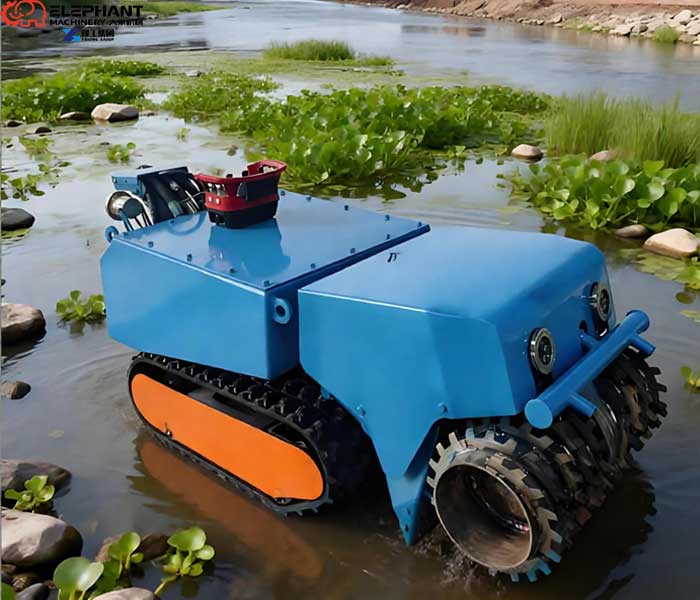
A desilting robot combines underwater mobility, sediment loosening, and sludge transportation technologies to complete the cleaning process.
1. Remote-Controlled Underwater Movement
The crawler system allows the robot to move steadily across muddy and uneven underwater surfaces.
Compared with fixed dredging equipment, the crawler design provides:
- Better stability on soft sediment
- Flexible movement in different water environments
- Access to areas that are difficult for traditional equipment to reach
Operators can control the robot remotely and adjust its working position according to sediment conditions.
2. Sediment Loosening and Mixing
Sediment at the bottom of reservoirs and ponds may become compacted after years of accumulation.
The desilting robot can be equipped with:
- High-pressure water jets
- Stainless steel auger systems
- Mechanical mixing devices
These systems loosen hardened sediment and convert it into a fluid slurry that can be efficiently pumped away.
3. Sludge Suction and Transportation
After sediment is loosened, the integrated suction system transfers the slurry through discharge pipelines.
The pumping system is designed for:
- Continuous sediment removal
- Long-distance transportation
- Handling different sludge concentrations
Typical configurations include:
- Pump flow: 50–250 m³/h
- Pump head: up to 30 m
- Customized discharge distance according to project requirements
4. Remote Monitoring and Safe Operation
Modern desilting robots are equipped with remote-control systems that allow operators to monitor and control underwater operations.
Optional features include:
- Underwater LED lighting
- Camera monitoring
- Wireless remote control
- Real-time operating feedback
This reduces labor requirements and improves safety during complex underwater cleaning projects.
Where Are Desilting Robots Used?
1. Reservoir Desilting for Water Capacity Recovery
Reservoir sedimentation is one of the most common applications for desilting robots.
Continuous sediment deposition can reduce effective storage capacity and affect water management efficiency, especially in hydropower reservoirs.
A reservoir desilting robot helps remove accumulated sediment while keeping normal water operation conditions.
Typical applications include:
- Hydropower reservoirs
- Water supply reservoirs
- Irrigation storage facilities
Benefits include:
- Recovering water storage capacity
- Reducing sediment accumulation
- Extending reservoir service life
2. Pond and Lake Sediment Removal
Ponds and lakes often experience gradual silt buildup caused by soil erosion, rainfall runoff, and organic matter accumulation.
Traditional excavation methods may damage surrounding environments or require draining the water body.
A pond desilting robot provides a cleaner solution by operating underwater and removing sediment with minimal disturbance.
Common applications include:
- Landscape lakes
- Aquaculture ponds
- Agricultural water ponds
- Urban water features
3. Wastewater Sedimentation Tank Cleaning
In wastewater treatment facilities, sediment accumulation in tanks can reduce treatment efficiency and increase maintenance requirements.
A desilting robot can assist with:
- Sedimentation tank cleaning
- Sludge removal
- Regular maintenance operations
Its remote operation capability allows cleaning without exposing workers to unpleasant or hazardous environments.
4. Industrial Water Facilities
Many industrial facilities use water storage systems that require regular sediment management.
Desilting robots are suitable for:
- Cooling water ponds
- Process water reservoirs
- Industrial settling basins
They provide a flexible cleaning solution where traditional dredging equipment may be difficult to deploy.
Desilting Robot vs Traditional Dredging Methods
Different sediment removal methods have different advantages. Choosing the right solution depends on site conditions, sediment characteristics, and operational requirements.
| Requires larger equipment | Compact and flexible design |
| May require water drainage | Works directly underwater |
| Higher labor requirements | Remote-controlled operation |
| Can disturb surrounding areas | Targeted sediment removal |
| Difficult in restricted spaces | Suitable for complex environments |
For projects requiring precise sediment removal with minimal environmental impact, a desilting robot provides an efficient alternative.
How to Choose the Right Desilting Robot?
Selecting the correct desilting robot depends on several important factors.
1. Sediment Type
Different sediment conditions require different working systems.
Consider:
- Soft sludge
- Fine silt
- Compact sediment
- Mixed organic deposits
For harder sediment layers, stronger loosening systems may be required.
2. Water Depth and Working Environment
Project conditions directly affect robot configuration.
Important factors include:
- Water depth
- Bottom conditions
- Access limitations
- Operating area size
A shallow pond and a deep hydropower reservoir may require different robot specifications.
3. Pump Capacity and Transportation Distance
The suction system should match the required cleaning distance.
Key parameters include:
- Pump flow rate
- Pump head
- Discharge pipeline length
For large projects, customized pumping systems can be designed according to actual site requirements.
4. Automation Requirements
Modern customers increasingly prefer safer and more intelligent solutions.
Useful features include:
- Remote control
- Camera monitoring
- Underwater lighting
- Automated operation support
Technical Features of Elephant Desilting Robot
Elephant Dredging designs and manufactures remote-controlled desilting robots for different sediment removal applications.
Key features include:
Remote-Control Operation
Operators can control the robot from a safe location without entering water or hazardous areas.
Rubber Crawler System
The rubber crawler provides:
- Stable underwater movement
- Reduced bottom disturbance
- Better adaptability to muddy environments
High-Pressure Water Jet System
The water jet system helps loosen compact sediment and improve suction efficiency.
Anti-Clogging Suction System
The optimized suction structure helps handle sludge and sediment continuously.
IP68 Waterproof Design
The waterproof structure ensures reliable operation in underwater environments.
Customized Pump Capacity
Pump flow, transportation distance, and configuration can be customized according to project requirements.
FAQ About Desilting Robot
What is a desilting robot?
A desilting robot is a remote-controlled underwater machine designed to remove accumulated sediment, silt, and sludge from reservoirs, ponds, tanks, and other water facilities.
Can a desilting robot work underwater?
Yes. Desilting robots are designed for underwater operation and can remove sediment directly from the bottom of reservoirs, ponds, and industrial water facilities without draining the water.
What types of sediment can a desilting robot remove?
A desilting robot can remove various deposits, including:
- Soft sludge
- Silt buildup
- Sediment accumulation
- Organic sludge
For harder deposits, additional sediment loosening systems can be configured.
How much does a desilting robot cost?
The price depends on:
- Robot size
- Pump capacity
- Water depth
- Sediment conditions
- Customized requirements
Each project is evaluated according to actual working conditions.
What is the difference between a desilting robot and a dredging machine?
A desilting robot is a compact, remote-controlled dredging solution designed for flexible underwater sediment removal. Traditional dredging machines are usually larger and require more site preparation.
Conclusion
Sediment accumulation continues to affect reservoirs, ponds, and water infrastructure worldwide. Traditional dredging methods are not always suitable for projects requiring flexible operation, reduced disturbance, and safer maintenance.
A desilting robot provides an efficient solution by combining underwater mobility, sediment loosening technology, powerful suction, and remote-controlled operation.
From reservoir sediment management to pond cleaning and industrial water facility maintenance, desilting robots help customers recover water capacity, improve maintenance efficiency, and manage sediment problems in a smarter way.